
Baby Bobcat Found During Storm in Lenexa Leads to Heartwarming Reunion
Guest Contributor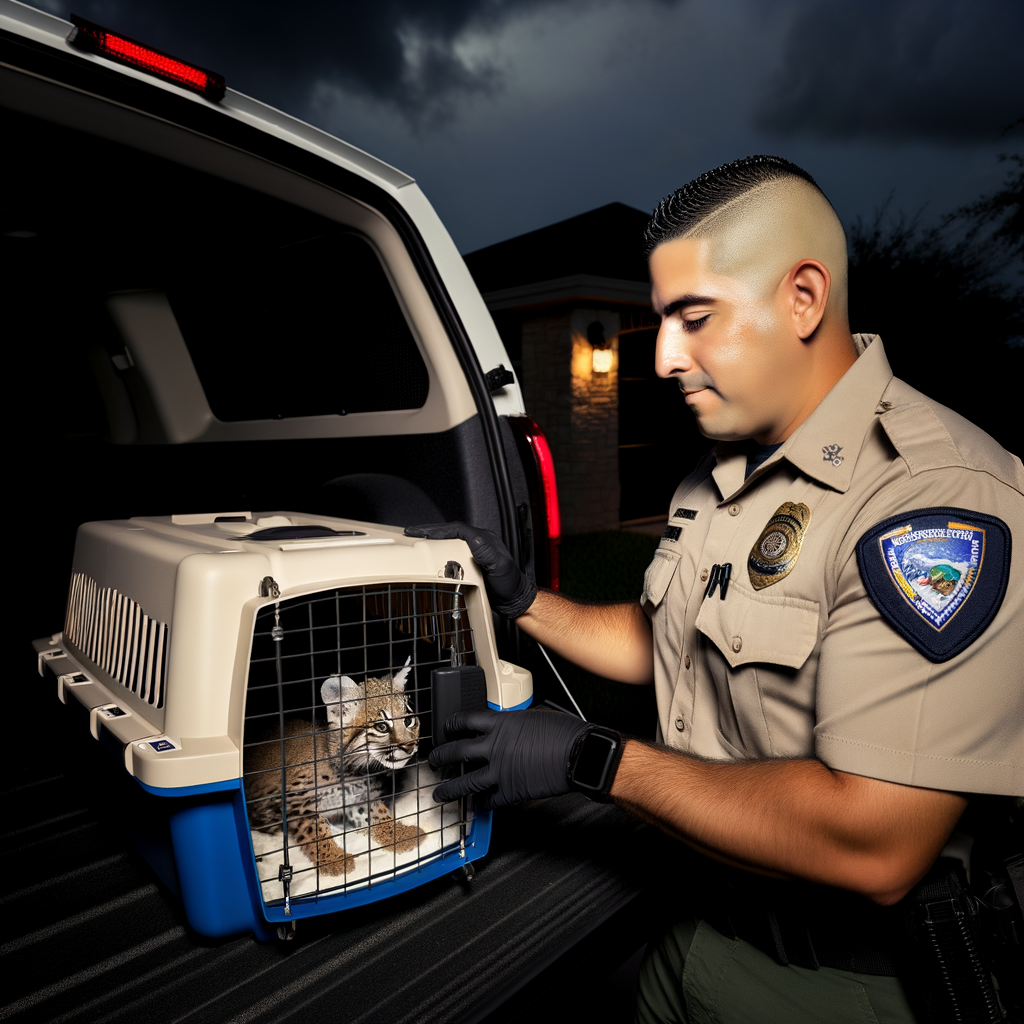
When a powerful storm swept through Lenexa, Kansas, it brought more than just high winds and tornado warnings. It also delivered an unexpected visitor to one local home. As the storm intensified, a concerned homeowner spotted what appeared to be a tiny kitten struggling outside in the wind. Acting quickly, they opened their door, and the animal darted inside, seeking shelter and curling up in the living room. What seemed like a routine act of kindness soon turned into an extraordinary wildlife encounter.

At first glance, the animal looked like a domestic kitten—small, vulnerable, and frightened. But as the homeowners observed the creature more closely, subtle differences in its appearance and behavior raised questions. Something didn’t quite add up. Its features were wilder, its demeanor more cautious. Suspecting that this might not be a typical house pet, the homeowners did the responsible thing and contacted Lenexa Animal Control.
Officer Logan Dorr responded to the call and quickly confirmed their suspicions. This was no ordinary kitten. It was, in fact, a baby bobcat. According to Dorr, the young bobcat had likely become separated from its family during the storm and had instinctively sought refuge in the nearest safe place. The homeowners’ quick action not only protected the animal from the dangerous weather but also ensured their own safety by calling in professionals.
“Leave this for the professionals,” Dorr advised in an interview with The Dodo. “As cute as they are, we don’t want the public getting themselves hurt.” His comment underscores an important point: wild animals, even when they appear harmless or in distress, can behave unpredictably. Proper handling requires expertise and care.
With the storm still raging outside, Dorr knew releasing the bobcat back into the wild wasn’t an option. Instead, he placed the young animal in a carrier and kept it in a warm, secure space overnight at the station. It was a temporary solution, but one that prioritized the animal’s well-being and safety during extreme weather conditions.
The next morning brought a surprising development. Dorr discovered several missed calls from residents reporting sightings of a mother bobcat and her kittens. One of the homeowners who had initially sheltered the bobcat shared footage from their Ring camera showing the mother pacing outside their home, clearly searching for her missing young.
In a thoughtful and cautious effort to reunite the family, Dorr brought the baby bobcat outside in a carrier and played recorded bobcat calls from his phone. It was a hopeful attempt, relying on the animal’s natural instincts and the mother’s acute hearing. Within minutes, the strategy paid off. “Sure enough, the bobcat noises worked perfectly,” Dorr said. “It was within probably 10 minutes that the mom came right up behind me.”
What followed was a touching moment. The mother bobcat approached the carrier and quickly checked on her baby, confirming its safety. Their reunion was captured on video, a rare and heartwarming glimpse into the emotional bonds that exist even among wild animals. I found this detail striking, a reminder of the deep instincts that drive animal behavior and the importance of giving wildlife the space and respect they need to thrive.
This story, while light-hearted and uplifting, also serves as an educational moment. Encounters with wildlife—especially during natural disasters—are not uncommon. Tornadoes, floods, and wildfires can displace animals from their habitats, pushing them into closer contact with humans. In such situations, the best course of action is always to involve trained professionals who can assess and manage the situation safely.
In this case, the quick thinking of the homeowners and the compassionate response by Officer Dorr ensured a positive outcome. The baby bobcat was protected from the storm, and the mother was able to safely reclaim her young. Their reunion highlights the resilience of wildlife and the crucial role that local animal control and community awareness can play in conservation efforts.
For those living in areas where bobcats or other wild animals are native, this story is a gentle reminder to stay alert and informed. Bobcats, while generally elusive and not aggressive toward humans, are still wild creatures. Recognizing the signs of a wild animal in distress and knowing when to call for help can make all the difference—for the animal and the people involved.
Ultimately, this unexpected encounter in Lenexa turned into a story of connection, care, and coexistence. It’s a testament to the power of community and the importance of respecting the natural world, even when it shows up on our doorstep.