
🚨Urgent: Missile Strikes Shelter in Ukraine! Rush Emergency Aid!
Brave Rescue of Foal in Kananaskis River Inspires Hope and Compassion
Guest Contributor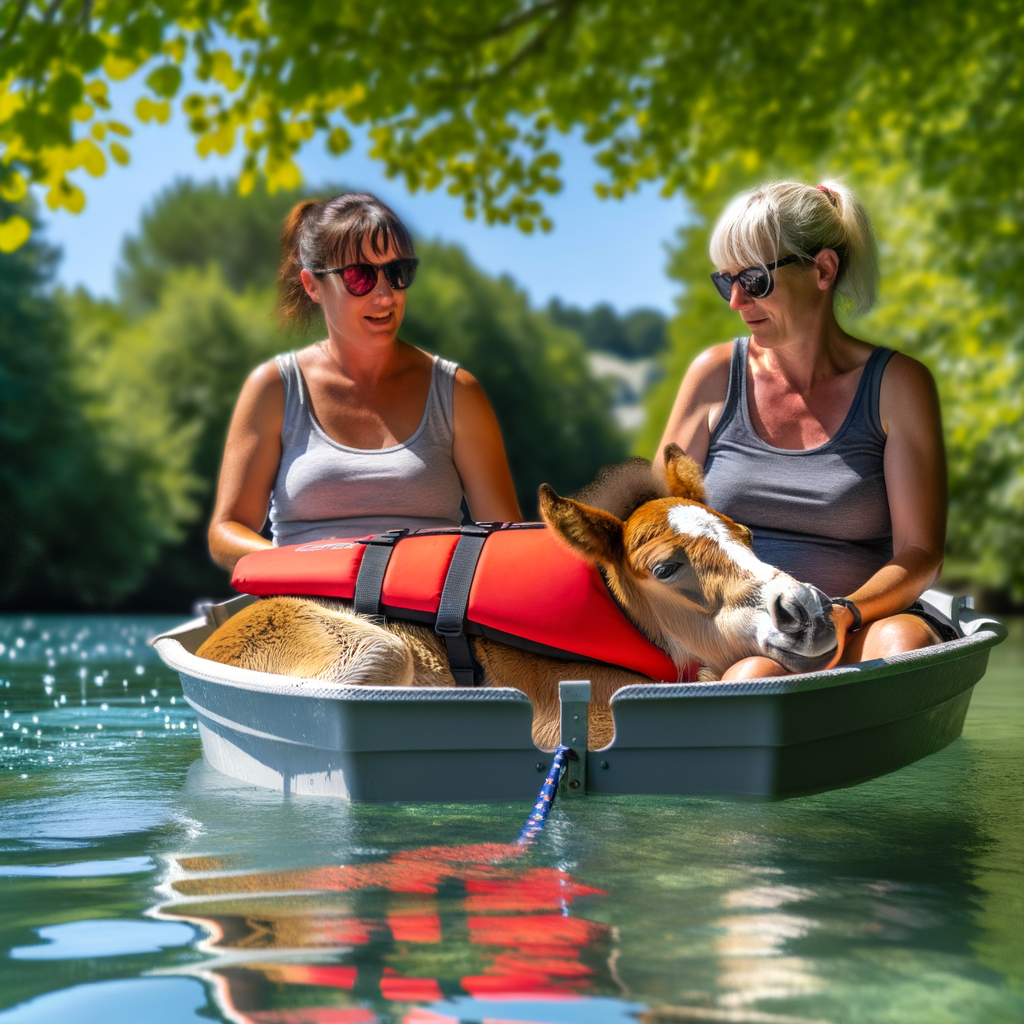
On a calm July afternoon, two paddlers on Alberta’s Kananaskis River found themselves at the heart of an unexpected rescue mission. What began as a routine outing turned into a life-saving effort when Anna Gleig and Ava Haddad, both environmental science students from the University of Calgary, spotted a baby horse—known as a foal—struggling in the current. Their quick thinking and teamwork gave the young animal a second chance at life, a story now resonating deeply with animal lovers and outdoor enthusiasts alike.

The foal rescue in the Kananaskis River has captured attention not only for its dramatic nature but also for the compassion and presence of mind shown by the two young women. As they navigated their boat near the Highway 1A bridge close to Seebe, they noticed a group of horses along the riverbank. One adult horse waded into the water in front of their boat, causing a moment of confusion. But what truly alarmed them was the sight of a foal pinned against a concrete bridge structure, clearly unable to escape the fast-moving water.
The author reports that the mother horse appeared visibly distressed, unable to reach her trapped foal due to the river’s depth. Recognizing the danger, Gleig and Haddad didn’t hesitate. They maneuvered their boat to shore and waded into the cold river, inadvertently scaring off the adult horses in the process. Gleig managed to grab the foal while Haddad paddled, and together they hauled the young animal to safety on the riverbank.
According to CBC News, the foal weighed approximately 80 to 90 pounds and was likely less than a week old. Despite its size, the foal remained calm throughout the ordeal. Gleig, who has lifeguard training and river experience, played a crucial role in ensuring the rescue was both effective and safe. Once back on land, the foal was allowed to rest in the sun, recovering from the cold and stress of the river.
I found this detail striking: even after being pulled from danger, the foal showed a touching level of trust in its rescuers. Haddad noted that it didn’t resist their efforts and seemed to understand they were there to help. This quiet cooperation added a poignant layer to an already heartwarming story.
However, the rescue effort wasn’t over. The adult horses, including the foal’s mother, had fled during the commotion. Gleig and Haddad waited on the shore for over an hour, hoping the mother would return. Each time they tried to leave the foal behind in hopes of encouraging a reunion, the young horse would follow them back into the river, unwilling to be left alone. This behavior underscored the foal’s vulnerability and the bond it had begun to form with its human rescuers.
Faced with this new challenge, Gleig placed her life-jacket on the foal and lifted it into their boat. Remarkably, the foal remained calm and even dozed off during the 20-minute paddle downstream. As they searched for a solution, Gleig managed to contact someone from the nearby Mînî Thnî community. After being shown photos, the man recognized the foal’s herd and offered to help.
He arrived at the scene, confirmed the foal’s identity, and gently placed it in the back of his pickup truck. Soon after, he reported that the foal had been successfully reunited with its mother. For Gleig and Haddad, this news marked a joyful conclusion to an intense and emotional experience. As Gleig put it, “It was a good ending, which made it a good day.”
The story of this baby horse rescue in Alberta is more than a feel-good moment—it’s a powerful reminder of the impact that everyday people can have when they act with empathy and courage. Haddad reflected on the experience by saying, “He has this second chance at life. If we weren’t there, he probably wouldn’t be here today.”
In a time when wildlife and human activity often intersect in complex ways, this incident highlights the importance of awareness and readiness to help. It also speaks to the deep connections that can form between humans and animals, even in the briefest of encounters. For Gleig and Haddad, their background in environmental science may have informed their sensitivity to the situation, but it was their instinctive compassion that ultimately saved a life.
The rescue of the foal in the Kananaskis River is already being shared widely, not only for its dramatic visuals but for the sense of hope it conveys. It’s a story that resonates with anyone who values the natural world and the quiet heroism of those who step up when it matters most.