
🚨Urgent: Missile Strikes Shelter in Ukraine! Rush Emergency Aid!
34 Dog Fighting Survivors Finally Get the Veterinary Care They Were Denied
Guest Contributor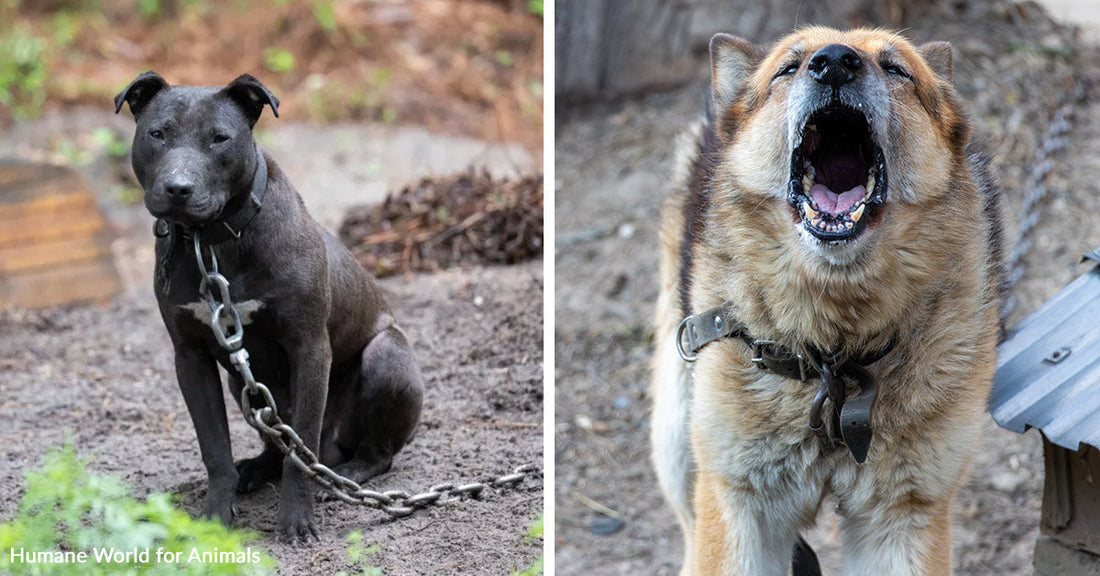
In a scene marked by heavy rain, mud, and evidence of prolonged suffering, South Carolina authorities and Humane World for Animals recently intervened in what is suspected to be a dogfighting operation in Chesterfield County. Over the course of the day, they removed 34 dogs from two residential properties, uncovering a landscape that reflected the grim reality of organized dogfighting. This latest rescue effort highlights the ongoing fight against dogfighting in South Carolina and shows how new legal tools, such as cost of care laws, are beginning to change what justice and recovery can look like for animal victims.
According to Humane World for Animals, responders joined agents from the South Carolina Law Enforcement Division, or SLED, early on April 28 to assist with the search and seizure warrants. The organization, formerly known as the Humane Society of the United States, provided veterinary triage, documented the scene, and handled the safe removal of the dogs. The Chesterfield County Sheriff’s Office later announced that one of the suspects arrested in connection with the alleged dogfighting ring was a deputy, who has since been fired. Authorities emphasized that this former officer’s alleged behavior does not represent the broader law enforcement community in the state.

As responders moved across the two properties in the rain, they encountered dogs chained on heavy metal tethers, many of which were so short that the animals could not reach their makeshift shelters for even minimal protection from the weather. The ground around many chain spots was worn into trenches, some reportedly over two feet deep, apparently carved by dogs pacing anxiously at the limit of their confinement. I found this detail striking because it suggests how many hours, days, and likely years these animals spent circling the same small patch of earth.
Despite the harsh conditions, responders reported that many of the dogs greeted them with full body wiggles, wagging tails, and a hopeful eagerness for contact. Others remained cautious, perched on mounds of earth they had built up through repeated pacing or huddled inside overturned barrels that served as rudimentary shelter. The contrast between the animals’ friendly or wary behavior and the stark environment around them underscored the resilience often seen in dogs rescued from cruelty cases.

Humane World for Animals
The physical evidence of dogfighting was written on the animals’ bodies. Many of the dogs were described as covered in scars and wounds consistent with fighting. One dog that responders nicknamed Denali had open wounds on her chest and shoulder that appeared to be dog bite injuries. Nearby, another dog nicknamed Fuji had extensive scarring, open sores on his ears, lesions on his neck, and a line of scars running down his back. Several other dogs were missing parts of their ears or lips, injuries that can be associated with repeated fights and lack of veterinary care.
As Humane World for Animals personnel carefully removed the animals’ tight, heavy collars, veterinarians found raw skin and sores around some of the dogs’ necks. These injuries suggested prolonged confinement in ill-fitting restraints. Janell Gregory, South Carolina state director for Humane World for Animals, said that the scars covering the dogs and the bare ground beneath their chains told the story of a painful, isolated past. She noted that there was a tangible sense of relief and hope as each dog was freed from its chain and carried to safety. Gregory also expressed that the organization was honored to work with SLED once again, calling the operation another step toward dismantling dogfighting networks in South Carolina.
SLED Chief Mark Keel emphasized that dogfighting will not be tolerated in the state. He explained that, as in previous cases, investigators once again uncovered illegal drugs and firearms alongside the alleged dogfighting activities. Keel noted that it was particularly disheartening that a former law enforcement officer was involved, while stressing that this individual’s actions did not reflect the integrity of South Carolina’s law enforcement professionals overall. He reiterated SLED’s commitment to working with local, state, and federal partners to seek justice in such cases.
Humane World for Animals described the broader cruelty of dogfighting in clear terms. Dogs forced into organized fights endure severe and often fatal injuries that may include deep puncture wounds, broken bones, and extensive bruising. Many succumb to infection, blood loss, dehydration, exhaustion, or shock in the hours or days after a fight. The dogs are typically bred and conditioned specifically for fighting, which is only the start of a long cycle of abuse, neglect, and suffering. The organization also noted that from a global perspective, dogfighting operations frequently intersect with other criminal activities, including weapons offenses, gambling, and illegal drug trade, which further complicates and magnifies the harm.
South Carolina law treats dogfighting as a felony offense. Penalties can include up to five years in prison not only for directly fighting dogs but also for possessing, training, selling, receiving, or transporting dogs intended for fighting. These penalties are aimed at addressing both the visible and hidden aspects of animal fighting networks, from the people who run the fights to those who supply and condition the animals.
This Chesterfield County rescue is not an isolated event. Humane World for Animals reports that in under a year, it has assisted SLED in several dogfighting-related investigations, helping to rescue approximately 120 dogs from nine properties across South Carolina. These repeated interventions reveal both the scale of the problem and a growing capacity to address it, especially when animal protection organizations and law enforcement collaborate.
A key tool that made this recent rescue operation possible is South Carolina’s newly passed cost of care law. Adopted unanimously in 2024, the law requires that owners of animals seized by law enforcement either pay for the animals’ ongoing care or relinquish them so they can be adopted. Without such measures, seized animals often must remain in legal limbo for months or even years while criminal cases progress, placing an enormous financial burden on law enforcement agencies, shelters, and local taxpayers. Cost of care laws help ensure that animal cruelty investigations can move forward without forcing agencies to choose between pursuing cases and managing overwhelming care expenses.
Humane World for Animals works across the United States to advance similar cost of care legislation and to strengthen penalties where needed to curb animal fighting. By doing so, the organization aims to remove practical barriers that have historically hindered the enforcement of animal protection laws. When agencies can afford to intervene, seize animals, and provide care without untenable costs, more cases can be brought forward and more animals can be rescued from abusive situations.
Following the Chesterfield County operation, the 34 rescued dogs were transported to a safe, confidential location. There, responders and volunteers are now providing medical treatment, behavioral care, and the basic comfort that many of these animals lacked for much of their lives. While the long-term futures of these dogs will depend on medical evaluations, court outcomes, and rehabilitation progress, the immediate reality is that they are no longer chained in the rain, bearing the full weight of a life built around fighting.
Dogfighting remains a serious form of cruelty, but operations like this one show how coordinated enforcement, new legal tools such as cost of care laws, and the involvement of dedicated organizations can begin to break entrenched patterns of abuse. Every successful rescue, investigation, and prosecution sends a clearer message that this type of exploitation has real consequences. For the 34 dogs pulled from the mud and chains in Chesterfield County, it also opens the possibility that their scars will no longer define their future. Read more at https://www.humaneworld.org/en/news/34-dogs-rescued-from-alleged-dog-fighting-ring-in-south-carolina