
Woman Arrested On Felony Animal Cruelty Charges After 74 Dogs Rescued From Severe Neglect
Guest Contributor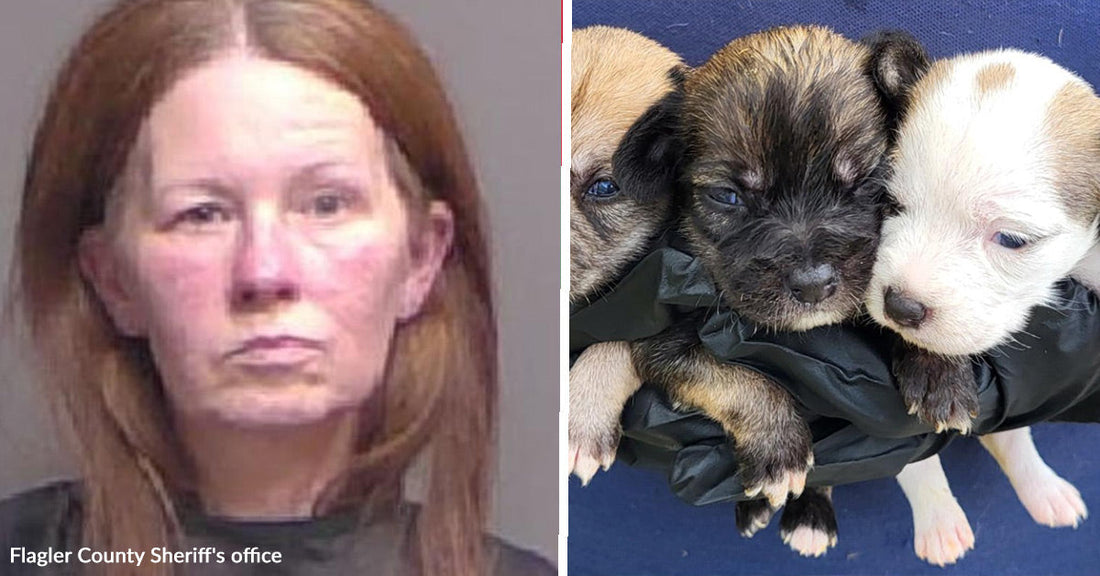
The rescue of 74 dogs from what authorities describe as filthy, neglectful conditions in Florida has drawn renewed attention to animal cruelty and the importance of basic pet care. In a case that spans two counties, Flagler County and St. Johns County sheriff’s offices say the dogs endured severe neglect, crowded living spaces, and a home environment overwhelmed by waste and infestation. For anyone who cares about animal welfare or follows stories of dog rescue operations, the details in this case are deeply unsettling.
Investigators say the situation came to light after an incident on May 4 in St. Johns County, where about 23 small dogs were reportedly abandoned near US-1 and County Road 204 in St. Augustine. That event triggered an investigation that later involved both the St. Johns County Sheriff’s Office and the Flagler County Sheriff’s Office. By May 15, Flagler County deputies were assisting their counterparts across the county line, and the name of a Palm Coast resident, 48-year-old Carolyn Loveman, emerged in connection with the abandoned dogs.

As part of the ongoing inquiry, deputies learned that additional animals were located at Loveman’s home on Rymshaw Drive in Palm Coast. Working alongside Palm Coast Animal Control, investigators were able to arrange a voluntary surrender of the dogs that remained in her care. On May 18, Loveman surrendered 48 small dogs, primarily Chihuahuas, Beagles, and Yorkie mixes. Among them, authorities say, were 16 very young puppies from a recent litter. These dogs, together with the earlier abandoned group, brought the total number of rescued dogs to 74.
According to reports from the Flagler County Sheriff’s Office, the condition of the surrendered animals reflected prolonged neglect. Many of the dogs showed visible signs of suffering that were difficult to overlook. Deputies noted patches of missing fur consistent with mange, heavy flea infestations, severely overgrown nails, and paws matted with feces and urine. The combination of these conditions suggested that routine care such as grooming, bathing, flea prevention, and nail trimming had been neglected for a significant period.
Palm Coast Animal Control transported the dogs to a local veterinary hospital for evaluation and treatment. A veterinarian who examined the animals reportedly found that most were underweight and exhibited signs of parasites and general poor health. Authorities say the veterinarian emphasized that many of the issues could have been avoided with basic, consistent care. The presence of parasites, untreated skin conditions, and weight loss often points to environments where animals lack proper nutrition, cleanliness, and timely veterinary attention.
After the initial surrender, Loveman initially gave deputies consent to search the home itself. Inside the residence, Flagler County deputies described a scene of extensive disrepair and contamination. Floors were said to be coated with urine and feces. Walls and baseboards had holes chewed through to the insulation, evidence of anxious or confined animals attempting to escape or relieve stress. The home reportedly had a heavy roach infestation and an overpowering odor of urine and feces that permeated the living spaces. These findings align with what many people might imagine when they think of an extreme hoarding or neglect case, where overwhelming numbers of animals and inadequate cleaning create a hazardous environment for both animals and humans.
Deputies also searched a shed on the property and discovered three additional dogs. Among them was a 1-year-old male Chihuahua that weighed about 1.5 pounds, a weight that officials described as emaciated for a dog of that age. Investigators say the dog was missing a significant amount of fur, still had its puppy teeth, and was suffering from a serious, untreated medical condition that required surgery. Loveman reportedly admitted that she had known about the medical issue for about a month but had not sought veterinary care. This detail is particularly striking, since seeking prompt veterinary help is one of the most basic responsibilities of pet ownership, especially when an animal shows obvious signs of pain or illness.
At this point in the investigation, Loveman withdrew her consent for deputies to continue searching the property. In response, the Flagler County Sheriff’s Office obtained a search warrant and returned to the home later that same evening. With the warrant in place, deputies documented more evidence of neglect and unsanitary conditions. They reported finding bags of soiled bedding and feces, chewed furniture and walls, and rotting food contaminated by insects. Each of these elements paints a more complete picture of the environment in which the animals were living, one where basic sanitation and cleanliness had broken down.
The combined findings from the home, the shed, and the condition of the animals led to serious criminal charges. The Flagler County Sheriff’s Office arrested Loveman and charged her with one count of felony aggravated animal cruelty and 31 counts of misdemeanor cruelty to animals. Authorities note that as of Thursday she was being held on a $41,000 bond, and that the investigation in St. Johns County remains ongoing. While the legal process will determine the final outcome, the current charges reflect how seriously state and local laws treat allegations of extensive animal neglect.
Flagler County Sheriff Rick Staly issued a blunt statement about the case, calling the conditions in the home “absolutely disgusting” and emphasizing that 51 of the dogs had directly endured those specific living conditions inside the residence. He stressed that no animal should be forced to live in filth and disease while an owner fails to act. Staly also highlighted the cooperative efforts of the Flagler County Sheriff’s Office Agricultural/Ranch Unit, detectives, Palm Coast Animal Control, and the St. Johns County Sheriff’s Office in rescuing the dogs and ensuring they receive medical care and a chance at healthier lives.
Animal cruelty cases like this one often raise difficult questions about how situations deteriorate to such a degree. Although the article does not detail Loveman’s motivations or circumstances, the scale of the neglect underscores the risk when the number of animals in a home grows beyond a person’s ability to manage. Overcrowding can quickly overwhelm cleaning routines, veterinary schedules, and financial resources. Without early intervention or a willingness to seek help, pets can deteriorate from loved companions into silent victims of a caregiving system that has broken down.
For community members and animal advocates, the story also offers a reminder that help and alternatives do exist. Local animal control agencies, shelters, and rescue groups can assist people who find themselves unable to care for their pets. Sheriff Staly’s statement urged anyone in that position to seek assistance immediately rather than allow animals to suffer in silence. Responsible ownership includes recognizing limits and reaching out to organizations that can provide support, rehoming services, or guidance before conditions become dangerous.
There is also a broader public health dimension to a case like this. A home filled with feces, urine, rotting food, and insects can harbor disease, affecting both animals and humans. Early reporting of suspected neglect, whether by neighbors, visitors, or service providers, can help prevent situations from reaching such an advanced state. This is not only about enforcing animal cruelty laws, but also about protecting communities from the health risks that arise when sanitation breaks down.
In the end, what stands out most is that 74 dogs, many underweight and suffering from preventable ailments, are now safe and receiving care. Their recovery will likely involve medical treatment, rehabilitation, and eventually placement in homes better prepared to meet their needs. While the story is painful to read, it also highlights the critical work of law enforcement, animal control officers, and veterinary professionals who step in when animals cannot speak for themselves. Their efforts in this case transformed a hidden crisis in two Florida counties into a rescue, giving dozens of dogs a chance at a far better life.