
Jim Gartenberg Called His Wife From the 86th Floor to Say Goodbye Before the North Tower Fell
Guest Contributor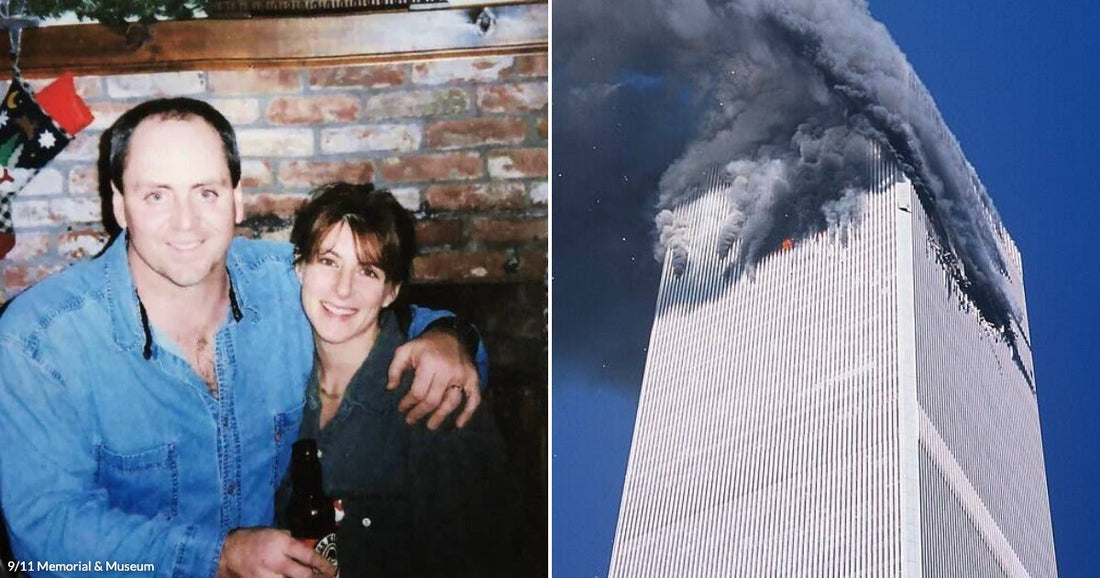
On September 11, 2001, countless lives were shattered in a matter of hours, and for many of the victims, their final acts were not of panic or anger but of connection. The last phone calls and messages from 9/11 victims, like those from passengers on the hijacked planes and workers inside the World Trade Center, have become some of the most haunting and human records of that day. These 9/11 final messages offer a deeply personal window into how ordinary people responded to unimaginable events.
The day began in an almost deceptively ordinary way. Flight attendants reported for duty, commuters poured into New York City, and people across the United States stepped into familiar routines. Yet by 8:19 a.m., that sense of normalcy had already been broken. A flight attendant named Betty Ong, working on American Airlines Flight 11 out of Boston’s Logan International Airport, contacted the American Airlines reservation desk and said, “I think we’re getting hijacked.” Her call was the first known phone call that directly signaled the unfolding terror of 9/11. It marked the moment that a routine morning turned into a national trauma.

Ong was not alone. Across multiple flights that had been hijacked, flight attendants and passengers reached for seat-back phones and airphones to reach anyone on the ground who might be able to help them. They described what they were seeing, tried to relay details that could be useful, and in some cases made peace with the awareness that they might not survive. At the same time, people inside the North and South Towers of the World Trade Center picked up office phones, dialed 911, or called friends and family as smoke and fire surrounded them.
These calls and messages are often short, practical, and heartbreakingly calm. They do not describe every detail of the catastrophe as it unfolded, yet they capture something more intimate. They reveal how individuals tried to protect others with information, to comfort loved ones, or simply to say goodbye. Among these voices, the story of Brian Sweeney stands out as one of the most poignant examples of a final message from a 9/11 victim.

9/11 Memorial & Museum
On that morning, Brian Sweeney said goodbye to his wife, Julie, and left for Boston to catch his regular flight to Los Angeles. Sweeney worked as a defense contractor and flew west about once a month for his job. To anyone watching him that day, his departure would have looked entirely ordinary. He boarded United Airlines Flight 175, which took off at 8:14 a.m., headed for California.
Sometime after takeoff, Flight 175 made a sudden, unscheduled turn. At 8:47 a.m., the path of the plane shifted and the reality of what was happening began to emerge. The aircraft had been hijacked and was now on course for New York City. It was destined for the South Tower of the World Trade Center.
Once Brian realized the plane had been taken over, he reached for a seat-back phone and tried to call his wife. Julie, a teacher, was in her classroom and could not answer. Instead of hearing her voice, Brian was routed to voicemail. In that brief space, he managed to compress a lifetime of love and reassurance into a few sentences.

Julia Sweeney Roth
“Jules, this is Brian. Listen, I’m on an airplane that’s been hijacked. If things don’t go well, and it’s not looking good, I just want you to know I absolutely love you. I want you to do good, go have good times. Same to my parents and everybody, and I just totally love you, and I’ll see you when you get there. Bye, babe. I hope I call you.”
Hearing those words today, even at a distance, I found this detail striking: his voice was described as remarkably calm. In a moment when fear would have been understandable, he chose to focus on love, on encouraging Julie to live fully, and on acknowledging his parents and family. His message did not dwell on the terror around him. Instead, it reached forward, toward a future he would not see but hoped his loved ones could still have.
United Airlines Flight 175 struck the South Tower only minutes later, at 9:03 a.m., just 17 minutes after American Airlines Flight 11 crashed into the North Tower. Brian died in that impact along with everyone else on board. The voicemail he left was discovered later, when Julie finally returned home and could hear what he had tried so urgently to say.
For her, that recording became both a reminder of what she had lost and a source of unexpected comfort. Years later, she reflected on its importance, explaining that she felt “thankful for it. So thankful for that message.” She emphasized that his calm tone soothed her and that through his words, she could understand exactly what he was thinking in those final moments. In her view, the message was powerful because of its clarity and its focus on love and encouragement rather than fear.
Brian Sweeney’s voicemail is only one example among many 9/11 phone calls, yet it illustrates why these final communications remain so resonant. They were not just historical records of a terrorist attack. They were acts of care carried out under extreme pressure, often by people who understood the danger they faced and still directed their attention outward, to those they loved and to those they hoped to protect.
In other cases that day, passengers relayed information that helped authorities understand what was happening onboard the planes. Flight attendants like Betty Ong communicated vital details to airline staff. Office workers such as Melissa Doi, calling 911 from inside the South Tower, tried to convey the urgency of their situations while seeking guidance and help. Together, these voices form a mosaic of courage, fear, and compassion.
Remembering these final messages from 9/11 does more than recount a tragedy. It honors the individuals who, in their last moments, reached out with honesty and love. Their words, captured on voicemails and call recordings, allow later generations to hear not just about the destruction, but about the humanity that persisted within it. In sharing and reflecting on stories like Brian Sweeney’s, readers are invited to see the events of that day not only in terms of towers and timelines, but also through the lens of personal relationships and enduring connection.
Read more at https://allthatsinteresting.com/9-11-phone-calls