
No One Should Have to Choose Safety or Their Pet Help Build a Safe Place !
9/11 Memorial Targeted in Vandalism, Sparking Outrage
Guest Contributor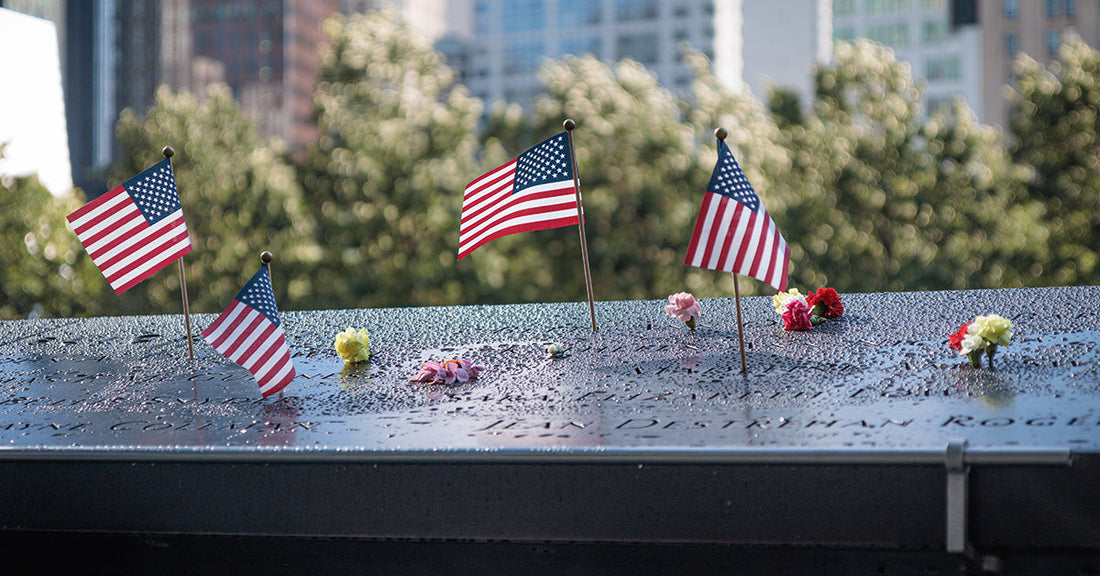
The recent report that the 9/11 Memorial in New York City was vandalized has struck many people as both troubling and deeply sad. A place created specifically to honor the nearly 3,000 victims of the September 11, 2001 and February 26, 1993 terrorist attacks was briefly defaced on a Monday evening, according to authorities. The incident raises difficult questions about how public memorials are treated, what they represent, and how communities respond when those spaces are disturbed. For anyone who has visited the 9/11 Memorial, the news that someone sprayed words in red paint across the engraved names on the North Pool is hard to hear.
Police identified the suspect as 31-year-old Johnathan Tijerina, who is now facing charges of criminal mischief and making graffiti. Officers moved in quickly, and according to accounts in the report, the arrest happened within moments of the act. The 9/11 Memorial is not just another public plaza or city landmark. For many, it is a place of mourning, remembrance, and quiet reflection that sits at the heart of a rebuilt World Trade Center site. The idea that this sacred space could be vandalized at all underscores how vulnerable even the most carefully protected places can be.
A key witness to the event was 16-year-old Ed Duffy, a visitor from the United Kingdom who spoke with CBS News New York. Duffy described seeing someone holding a can of red spray paint and writing “just stop killing kids” over some of the engraved names on the panels surrounding the North Pool. He recalled that in less than a minute, police arrived and arrested the individual. The phrase itself carries an emotional charge and suggests the person may have intended some form of protest. Yet its placement on the names of people who lost their lives in terrorist attacks created a jarring conflict between message and medium.
That conflict is part of what makes this story so unsettling. The words, taken on their own, express a sentiment many people might empathize with. But the act of spraying them across the names of victims at a memorial site shifts the meaning entirely and becomes an affront to the memory of those who died and to the families who come to that place seeking peace. I found this detail striking because it captures how powerful actions in public spaces can be, independent of any intended statement behind them. Once an act takes place in a space of shared grief, that context cannot be separated from the action itself.
The report notes that the graffiti has already been cleaned and that there was no permanent damage to the memorial. This detail offers a measure of relief. Professional teams at the 9/11 Memorial & Museum and law enforcement responded quickly, first by addressing the situation on site and then by restoring the panels to their original state. Visitors arriving later would see the memorial as it is meant to be seen, with the focus solely on the names of the victims and the reflection pools that honor them.
A spokesperson for the 9/11 Memorial & Museum released a statement underscoring the significance of the location. The statement described the memorial as a “sacred place of reflection” at the center of a rebuilt World Trade Center complex, built to honor the 2,983 people who were killed in the 9/11 and 1993 attacks. The spokesperson emphasized that Monday’s incident was brief, was managed swiftly by security and law enforcement, and that the area was immediately restored to its commemorative state. The wording highlighted both the seriousness of the act and the institution’s determination to preserve the dignity of the site.
That phrase “sacred place of reflection” is essential to understanding why news of the vandalism prompted such a strong emotional reaction. The 9/11 Memorial is not just a tourist stop in Lower Manhattan, although it does welcome millions of visitors from around the world. It exists as a carefully designed space that invites quiet contemplation about loss, resilience, and the human cost of violence. The engraved names around the North Pool are not abstract symbols. They belong to real individuals whose families, friends, and communities continue to live with their absence.
In that context, this act of vandalism becomes something more than a momentary disruption. It serves as a reminder of the responsibilities that come with visiting memorials and historic sites. These locations are open to the public, yet they carry a purpose different from most public spaces. They are places where personal memory and public history intersect, where private grief is shared with strangers who also come to bear witness. Even brief defacement can feel like a violation of that quiet agreement to treat the space with care.
The swift police response at the 9/11 Memorial in NYC also demonstrates how seriously authorities take any interference with the site. Criminal mischief and graffiti charges signal that what happened is not considered a minor offense. The legal system, along with the memorial’s own security staff, plays a role in drawing a clear line between acceptable expression and actions that damage, even temporarily, a site dedicated to honoring lives lost. The article does not elaborate on potential penalties or the suspect’s intentions, and it remains important not to speculate beyond what has been reported.
At the same time, it is worth noting that the memorial’s staff and leadership focused strongly on restoration and continuity. By immediately cleaning the graffiti and confirming that there was no lasting damage, they affirmed that the memorial’s central purpose continues uninterrupted. Visitors, including those like Ed Duffy who happened to be there at a fraught moment, can carry forward a narrative not only of disruption but also of protection and renewal. The 9/11 Memorial and Museum has long emphasized resilience as part of the larger story of the World Trade Center site, and the quick return to a commemorative state fits within that ongoing theme.

For those who have never visited Lower Manhattan, this incident may also draw attention to what the memorial represents in everyday life. It is not a static monument that people pass by without engagement. Instead, it is a living public space where survivors, families, workers, and visitors from around the world come together. The engraved names, the sound of water in the pools, and the surrounding city skyline all contribute to an experience that is both local and global. A vandalism incident disrupts that experience momentarily, but the careful stewardship described in the report helps ensure that the larger meaning of the space remains intact.
In the end, this episode at the 9/11 Memorial highlights both vulnerability and resilience. The vulnerability lies in the fact that even sacred places can be harmed through the actions of a single individual in a matter of seconds. The resilience is found in the rapid response by on-site security and law enforcement, the quick restoration of the panels, and the ongoing commitment of the 9/11 Memorial & Museum to protect the dignity of the names etched into stone. As the site continues to welcome visitors who come to remember and reflect, the events described in this report serve as a reminder of why spaces of memory deserve special care and respect. Read more at https://www.cbsnews.com/newyork/news/september-11th-memorial-vandalized/