
Starved Dog’s Case Did Not End With The First Plea
Guest Contributor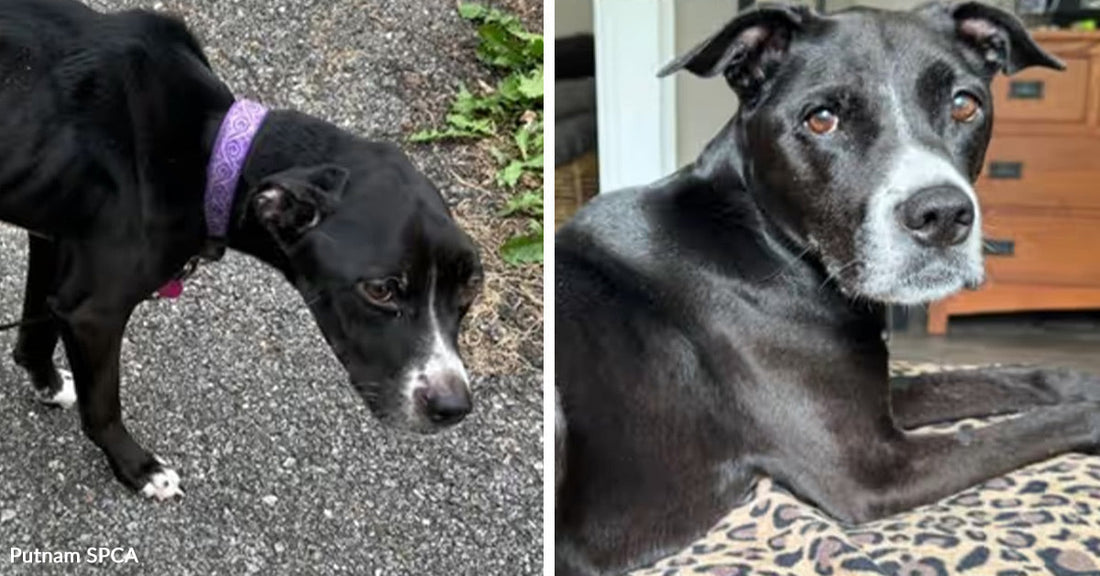
The case of Abby, an extremely neglected dog in Kent, New York, continues to ripple through the community, not only because of the cruelty she endured but also because of what has happened since. The former owner of the severely emaciated dog has been arrested again, this time for allegedly failing to comply with the Putnam County Animal Cruelty Registry. For anyone who followed Abby’s rescue and recovery, this latest development is a stark reminder of why animal cruelty laws and registries exist in the first place.
According to the Putnam County SPCA Law Enforcement Division, 43-year-old Shannon McMahon has been charged with failure to register with the Putnam County Animal Cruelty Registry. This charge is directly tied to an earlier animal neglect case involving her dog Abby, who was discovered in 2024 in a home on Chief Nimham Drive in Kent in a state that investigators described as severely emaciated. Abby’s condition at the time of her rescue was so alarming that the story quickly drew public attention throughout the region.

Abby is an 8-year-old Catahoula leopard mix. When SPCA officials found her, she weighed only 21 pounds. Investigators explained that her healthy weight should have been closer to 50 pounds. That gap tells an unmistakable story of profound neglect. The earlier case, reported at the time, documented how dangerously underweight she had become before help arrived. For many observers, Abby’s situation underscored how critical early intervention and strong enforcement are in protecting animals who cannot speak for themselves.
McMahon later pleaded guilty in that neglect case. As part of the court’s response, she was ordered to comply with the requirements of the Putnam County Animal Cruelty Registry. This registry is specifically designed for individuals convicted of animal cruelty offenses. It mandates that they register with the SPCA, provide accurate personal information, and keep that information up to date. These rules are not merely bureaucratic details. They are intended to help authorities monitor those with past cruelty convictions so that animals and communities have an additional layer of protection.
The recent charge, according to the SPCA, arises from McMahon’s alleged failure to fulfill these obligations. During a routine audit of the registry, SPCA officials discovered that McMahon had not re-registered by the required deadline in January 2026. They also found that she had not updated her address, submitted a current mugshot, or supplied other information the registry requires. These steps might sound procedural, but they are core components of how the registry operates.
Around the same time the audit took place, the SPCA received an anonymous tip that added urgency to the situation. The tip suggested McMahon was in Atlantic City, New Jersey, and that she had allegedly absconded from probation supervision. This information significantly raised the stakes, since it suggested that the failure to register with the Animal Cruelty Registry might be part of a broader pattern of noncompliance with court orders.
Once the tip came in, the SPCA shared it with the Putnam County Probation Department. In response, probation officials issued a warrant connected to the alleged probation violations. Probation officers then traveled from Putnam County to New Jersey, where McMahon had been detained on that warrant. From there, they returned her to Putnam County on Wednesday, March 4. This interstate coordination highlighted the seriousness with which authorities are treating both the probation issues and the registry violation.
After McMahon was brought back to Putnam County, SPCA detectives formally issued her a violation for not updating and re-registering with the Animal Cruelty Registry as required by the court order. The registry is not optional for individuals with qualifying convictions. The SPCA emphasized that its purpose is to protect animals and the wider community by keeping track of those found guilty of cruelty offenses and ensuring that court ordered restrictions remain enforceable.
I found this detail striking because it shows how animal protection in practice often depends on many moving parts. The initial neglect investigation, the court proceedings, the registry’s ongoing oversight, anonymous community tips, and the work of probation officers all intersected in this case. The charge for failing to register may seem less dramatic than the original neglect allegations, yet it reflects the ongoing nature of accountability after a cruelty conviction. It also illustrates how tools like the Putnam County Animal Cruelty Registry are designed to function over time, not just at the moment of sentencing.
The SPCA expressed appreciation for the cooperation and efforts of the Putnam County Probation Department in this matter. Their role in following up on the warrant, traveling to another state, and returning McMahon to local authorities shows how animal cruelty cases can remain active and complex long after the initial rescue of a victim like Abby. While the registry violation is a separate issue from the original neglect, both are linked by a common goal. Authorities are attempting to ensure that past cruelty leads to lasting oversight.
Throughout these developments, Abby’s story continues on a very different path. After being found at roughly half her healthy body weight, she received care and support that allowed her to begin recovering from severe neglect. Her situation resonated with many people in the region who followed updates about her condition and progress. In a more recent chapter, Abby underwent emergency gallbladder surgery earlier this year. Reports indicate that she is now in recovery following that procedure, adding another layer to her journey from crisis to healing.
Abby’s case and the recent arrest of her former owner highlight broader questions about how communities respond to animal cruelty and neglect. Animal cruelty registries, such as the one in Putnam County, are one strategy for creating transparency and facilitating enforcement of court ordered conditions. They are intended to help ensure that individuals convicted in such cases remain visible to law enforcement agencies. While no system is perfect, the discovery of McMahon’s alleged noncompliance during a registry audit shows how ongoing checks can prevent people from quietly dropping out of view.
The events surrounding Abby also underscore the importance of community involvement. The anonymous tip about McMahon’s possible location in Atlantic City helped prompt a closer look at her status and led to action from probation officers. In this context, engaged community members, coordinated law enforcement, and supportive organizations such as the SPCA all play roles in trying to prevent further harm to animals.
For those who have followed Abby’s journey, the latest news about her former owner serves as a reminder of how crucial it is to pair compassion with accountability. Abby’s recovery, including her recent surgery and continuing care, shows what can happen when a neglected animal finally receives appropriate attention. At the same time, the registry violation charge illustrates how the legal system seeks to uphold conditions intended to safeguard other animals from possible future abuse or neglect. Together, these strands form a story that is difficult but important to confront. It is a story about suffering and resilience, about systems designed to protect the vulnerable, and about the shared responsibility to ensure that cruelty is neither ignored nor forgotten.