
Fifteen Dogs Found Severely Malnourished and Without Water as Owner Faces 35 Cruelty Charges
Guest Contributor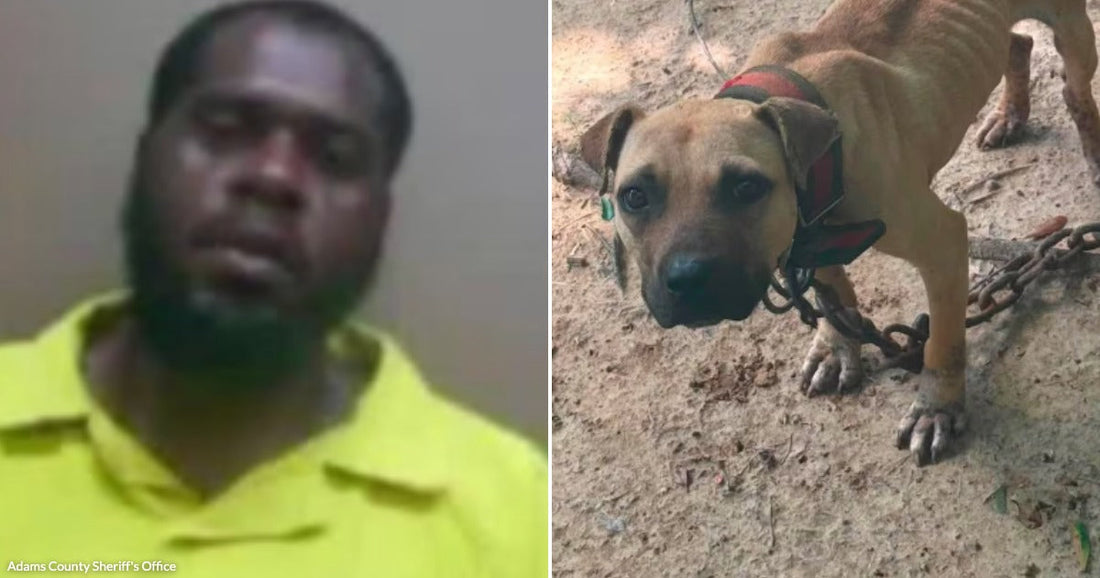
The recent case of a Natchez man charged with 35 counts of animal cruelty in Adams County, Mississippi, is a sobering reminder of how vital community vigilance is when it comes to animal welfare. Local authorities report that 15 neglected dogs were recovered from the property, highlighting both the severity of the situation and the lifesaving impact of a single call to report suspected abuse. Stories of animal cruelty are difficult to read, but they can also clarify why protecting vulnerable animals must remain a shared responsibility.
According to information from the Adams County Sheriff’s Office, the case began on July 15 when a concerned citizen called 911 to report suspected animal abuse and neglect at a residence on Lily Lane in Adams County. Deputies responded to the address and, upon arrival, found numerous animals on the property. The animals included dogs, a horse, a donkey, goats, chickens, and a rabbit. Investigators determined that the animals appeared to be severely malnourished and were without adequate food or water. The situation that unfolded at 12 Lily Lane illustrates how neglect can cross species and affect an entire group of animals living under the same care.

Authorities reported that after the initial response, investigators continued to gather information about the condition of the animals and the circumstances on the property. The conditions described were stark. Animals were allegedly kept without essential resources such as consistent access to food and clean water. The phrase “severely malnourished” reflects not only weight loss or visible frailty but also the prolonged absence of care that allows such a state to develop. When animals are confined and depend entirely on a caretaker, the lack of food, water, and basic attention can quickly become a matter of life or death.
As the investigation progressed, deputies and investigators sought legal authority to intervene more decisively. On July 20, they obtained a court-authorized seizure warrant tied to the ongoing investigation at the Lily Lane residence. The warrant provided a legal path to remove the animals and take action regarding the owner, identified by officials as 38-year-old Zeveon Johnson of Natchez. The decision to obtain a seizure warrant underscores how animal cruelty cases often require a clear legal framework before animals can be safely removed from a property, even when conditions appear urgent.

Adams County Sheriff's Office
The next day, members of the Adams County Sheriff’s Office partnered with Animal Rescue Corps and Dr. Hickman of Natchez Veterinary Clinic to execute the seizure operation. Collaborative efforts like this are essential when many animals are involved. Law enforcement can secure the scene, while animal rescue professionals and veterinary experts assess each animal’s condition, provide immediate care, and arrange for longer-term treatment. I found this detail striking because it shows how animal welfare cases rely on coordination between public agencies and specialized organizations to address both legal and medical needs.
All 15 dogs on the property were safely removed and transported for immediate veterinary evaluation and treatment. That step is crucial in any animal rescue operation. Each dog needed a thorough assessment to determine the extent of malnutrition, dehydration, or illness. Veterinary care following such a rescue often includes rehydration, careful refeeding, vaccinations when appropriate, and monitoring for infections or other health complications related to prolonged neglect. While the article does not detail the individual dogs’ conditions, the prompt move to veterinary care indicates an urgent concern for their well-being and a commitment to giving them a chance at recovery.

Adams County Sheriff's Office
Following the seizure of the animals, Johnson was taken into custody on Tuesday, July 21 and booked into the Adams County Jail. Authorities report that he now faces a total of 35 misdemeanor animal cruelty-related charges. These charges consist of 15 counts of Simple Cruelty to a Cat or Dog and 20 counts of Confining Animals Without Food or Water. The breakdown of charges reflects both the number of dogs found and the broader pattern of alleged neglect involving confinement without basic necessities. While the legal process will determine the outcome, the scope of the charges communicates how seriously the case is being taken within the local justice system.
In addition to the dogs, investigators had previously observed livestock on the property, including animals such as a horse, a donkey, and goats. During the course of the investigation, they discovered that this livestock had allegedly been removed from the property after Johnson had been instructed not to relocate any animals while the investigation was ongoing. This detail adds another layer of concern, as it suggests that potential evidence and additional animals of interest may have been moved despite clear instructions. Situations like this can complicate investigations into animal cruelty, as authorities must then determine what happened to animals that are no longer present.
Cases like the one in Adams County raise broader questions about how communities respond to signs of neglect. The report notes that it all began with a citizen who took the step of calling 911 after noticing possible abuse. That action set a chain of events in motion, from the initial deputy response to the seizure warrant and the eventual involvement of rescue organizations. This sequence underscores how critical it can be for community members to speak up when they suspect animals are being mistreated. Many people worry about misreading a situation, yet law enforcement and animal welfare agencies often stress that it is better to report a concern so trained professionals can evaluate the circumstances.
It is also worth considering the emotional impact of such rescues on those directly involved. Law enforcement officers, animal rescue teams, and veterinarians regularly encounter difficult scenes in cruelty cases, where animals have suffered over time. Still, these same responders also see transformations when animals receive care and begin to recover. While the article does not describe the dogs’ progress after rescue, the description of immediate veterinary evaluation and treatment suggests a focus on giving them a safer, healthier future. For many in animal welfare work, these moments of rescue serve as a powerful counterweight to the harsh realities of neglect.
The Adams County case illustrates both the vulnerabilities of animals who lack a voice and the power of coordinated intervention. Neglected animals often depend entirely on outsiders to notice when something is wrong and to alert authorities. When that happens and officials respond swiftly, it can mean the difference between ongoing suffering and a new start. By documenting the dates, charges, and rescue efforts, local reporting offers a clear picture of what happened at 12 Lily Lane and how local systems responded. It also quietly reinforces a central message: paying attention and acting on concern can help save lives, whether they belong to humans or to the many animals who share our communities.