
Four Dogs Die In One Month As Man Faces Aggravated Cruelty Charges
Guest Contributor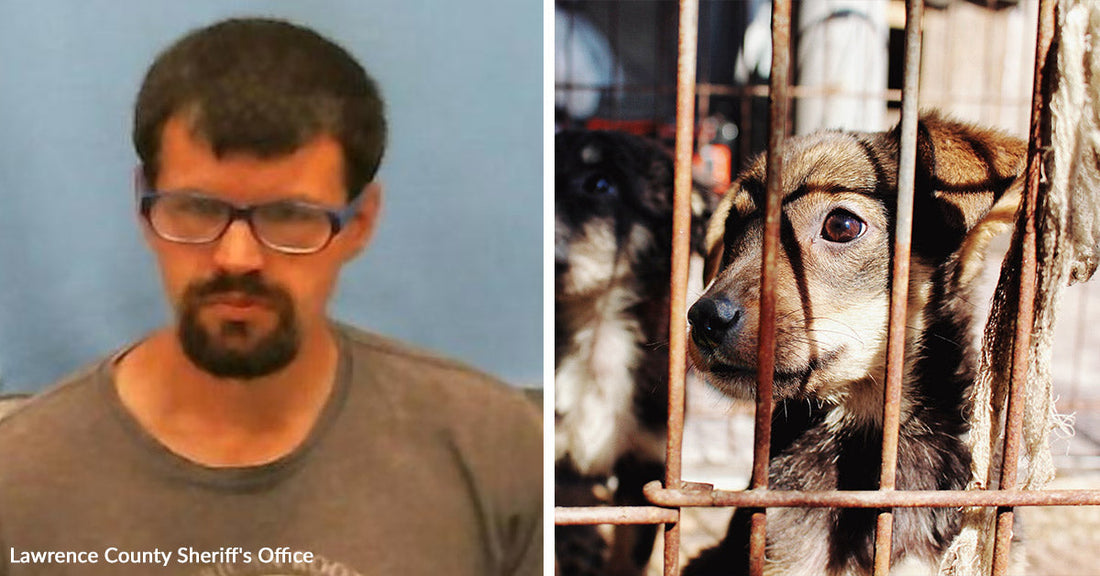
A recent case out of Walnut Ridge has drawn widespread attention and concern, highlighting the importance of animal cruelty laws and community vigilance. Authorities report that 30-year-old Daniel Wayne Honeycutt of Walnut Ridge was arrested on March 11 and charged with aggravated cruelty to a dog, cat, or equine. This aggravated cruelty to animals charge comes after an investigation that grew increasingly disturbing as details emerged.
According to information from local law enforcement, the investigation began when Walnut Ridge Police Department officers looked into allegations of bestiality involving Honeycutt’s wife, Crystal, who had already been arrested and remains incarcerated. While pursuing that case, investigators reportedly uncovered additional troubling evidence related to the treatment of animals in the couple’s home.

During a visit to the residence, investigators discovered an animal that was described in the affidavit as “actively dying,” along with two puppies in the same home. Authorities say no pet food was found at the scene. According to the account, Daniel Honeycutt was advised to take the dying animal to a veterinarian, a step that would be expected in any situation where an animal is clearly suffering and in need of urgent care.
When investigators returned to the residence, they found that the two puppies had died. That discovery, paired with the earlier condition of the dying animal, contributed to the aggravated cruelty charge. In cases like this, law enforcement looks closely at the animals’ living conditions, access to food and water, and whether reasonable steps were taken to get veterinary help when an animal’s suffering is obvious.
Authorities in Walnut Ridge report that this was not an isolated incident. According to Chief Ferrell and Walnut Ridge Police Department investigators, they received numerous reports from members of the public about the way animals were allegedly being mistreated at the Honeycutt home. Those community reports appear to have played a role in drawing attention to the situation and in prompting closer scrutiny from law enforcement.
Investigators further state that at least four dogs have died within the last month in connection with Daniel and Crystal Honeycutt, and they attribute those deaths to abuse. This detail has intensified public concern and added urgency to the response from both law enforcement and local residents who care deeply about animal welfare. Patterns of repeated animal deaths in a short time frame are often viewed by authorities as serious warning signs that call for prompt intervention.
At present, Daniel Wayne Honeycutt is incarcerated in the Lawrence County Sheriff’s Office Detention Center while he awaits a bond hearing and a court date. The outcome of those proceedings will depend on what is presented in court, including any evidence contained in the arrest affidavit and any additional findings investigators may bring forward. As with any criminal case, the formal legal process will ultimately determine how the law applies to the facts at hand.
The situation has prompted many residents to reflect on how vital it is to report suspected cruelty when they see animals in distress. In this case, Chief Ferrell and investigators specifically noted receiving numerous public reports about alleged mistreatment. That kind of community involvement can be a crucial factor in allowing authorities to intervene before more animals suffer or die. Responsible animal ownership includes providing adequate food, clean water, shelter, and timely veterinary care, and those standards are reinforced when neighbors are willing to speak up if something seems seriously wrong.
Cases involving animal cruelty often carry an emotional weight that is hard to ignore. I found this detail striking: investigators reportedly found no pet food in a home where an animal was “actively dying” and puppies later died. That image underscores why many states, including Arkansas, have laws that treat aggravated cruelty to animals as a serious criminal offense. These laws exist not only to punish wrongdoing but also to send a clear message about the value society places on the humane treatment of animals.
The Walnut Ridge animal cruelty investigation is also a reminder of how different types of alleged offenses can intersect. What began with serious allegations of bestiality led investigators to uncover a separate, yet related, set of concerns about neglect and abuse. For animal welfare advocates, this reinforces the idea that comprehensive investigations can reveal broader patterns that might otherwise remain hidden.
For community members who are disturbed by reports like this, one constructive response is to learn more about local resources and reporting channels. Many police departments, animal control offices, and humane societies encourage people to report suspected cruelty as soon as possible. Photographs, dates, times, and specific observations can help authorities assess the situation and decide on appropriate action. While every report must be evaluated carefully, timely information can be the difference between life and death for vulnerable animals.
This case also raises broader questions about how communities support and monitor animal welfare. Education about responsible pet ownership, access to affordable veterinary care, and collaboration between law enforcement and animal welfare organizations all play a part. When those elements work together, they can help prevent neglect and cruelty before it escalates to the level described in this investigation.
As the legal process moves forward, more details may come to light through court proceedings and official records. For now, the key facts are that a Walnut Ridge man faces an aggravated cruelty to animals charge, multiple dogs have reportedly died from abuse in the past month, and both Daniel and Crystal Honeycutt remain in custody on serious allegations. The community’s response, along with the actions of Chief Ferrell and Walnut Ridge Police Department investigators, demonstrates how concerned citizens and law enforcement can work together to address suspected animal abuse.
Ultimately, stories like this highlight why animal welfare cannot be taken for granted. Whether someone owns one pet or several, the responsibility to provide humane care is fundamental. When those standards are not met, and particularly when repeated animal deaths occur, it becomes a matter not only of compassion but of law. The Walnut Ridge case serves as a somber example of what can happen when those responsibilities are allegedly ignored, and why ongoing vigilance and clear reporting are so important for protecting animals who cannot speak for themselves.