
🚨Urgent: Rush Aid to People & Pets in Nepal's Devastating Floods! Help Now!
Ancient Hunting Kit Discovery in Texas Cave Reveals 6,000-Year History
Guest Contributor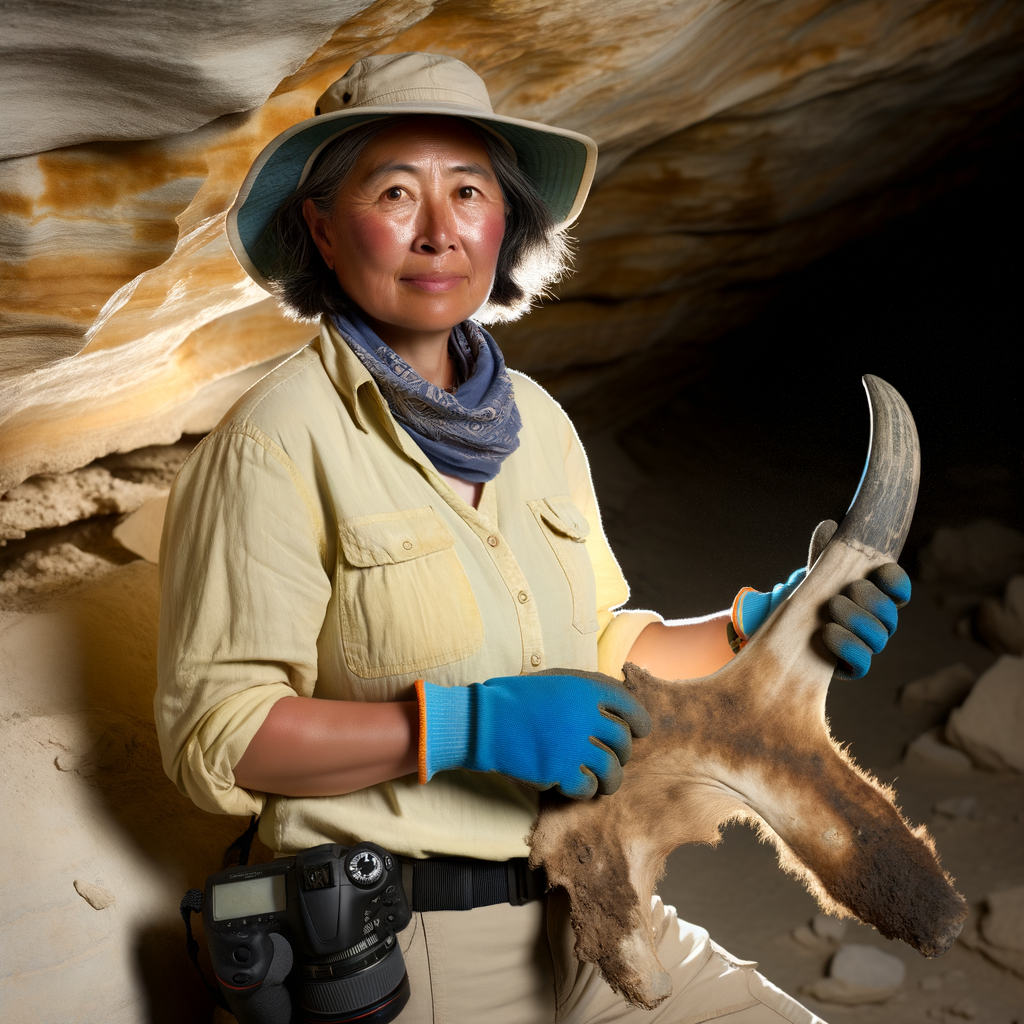
Deep in the arid landscape of southwest Texas, a remarkable discovery has emerged from the shadows of time. Archaeologists excavating San Esteban Rockshelter near Big Bend National Park have uncovered what may be the oldest intact hunting kit ever found in North America. Estimated to be around 6,000 years old, this cache of ancient weapons and tools offers a rare glimpse into the lives of early Indigenous cultures in the region. I found this detail striking—not only because of the age of the artifacts, but because of their astonishing state of preservation.

This ancient hunting kit, unearthed by researchers from the Center for Big Bend Studies and the Odyssey Archaeological Research Fund at the University of Kansas, includes a variety of tools once used for survival. Among the items recovered are pieces of an atlatl, a spear-throwing device used to hurl projectiles with greater force; broken darts that would have fitted into it; six stone-tipped foreshafts; and four hardwood foreshafts that may have been used for delivering poison to prey. The discovery also included a rare straight-flying boomerang, likely used for hunting small game.

These findings are more than just ancient weaponry—they are a window into a forgotten world. According to Devin Pettigrew, assistant professor at the Center for Big Bend Studies, while some components of the atlatl are missing, enough remains to allow researchers to reconstruct its likely form. The weapons were found in varying conditions, but their collective presence paints a vivid picture of prehistoric hunting practices in the Big Bend region.
What makes this discovery especially compelling is the context in which it was found. The San Esteban Rockshelter, nestled in the rugged terrain near the Rio Grande, has long been recognized as a site of cultural significance. Caves like this one were often used by Indigenous peoples not just for shelter, but for storage and possibly ceremonial purposes. The deliberate placement of the hunting kit suggests it was carefully stored, perhaps in preparation for future use or as part of a ritual act.
In addition to the weaponry, archaeologists uncovered other well-preserved items that deepen our understanding of ancient lifeways. A folded pronghorn hide, left untouched for millennia, was found atop a rock within the shelter. As Bryon Schroeder, director of the Center for Big Bend Studies, described, the moment of discovery was awe-inspiring. The hide had been intentionally folded and placed—an act frozen in time for 6,000 years. This suggests not only the hunting skills of the people but also their methods of processing and storing valuable resources.
Even more unexpectedly, the excavation revealed ancient human feces near the weapons cache. While this might seem like a minor detail, it holds substantial scientific value. Analysis of such remains could provide insights into the diet, health, and even the microbiomes of the people who once inhabited this region. Combined with the tools and animal remains, these findings offer a multifaceted view of life in prehistoric Texas.
The preservation of the artifacts is exceptional, allowing researchers to reconstruct behaviors and decisions made thousands of years ago. Schroeder reflected on the scene, imagining a person sorting through their gear in the back of the cave—checking what was usable, what needed repair, and then moving on. This human moment, echoed across millennia, underscores the continuity of daily life and survival.
What sets this discovery apart is not just its age, but its completeness. While other ancient weapons have been found across North America, few have survived in such a cohesive and informative state. The materials used in the kit—wood, stone, hide—also provide clues about how these early peoples interacted with their environment. Researchers hope to map out trade routes, resource use, and even spiritual beliefs based on the placement and composition of the cache.
The find also invites broader questions about the symbolic significance of caves in ancient cultures. The careful storage of tools and materials in such a location may indicate more than practicality. It could suggest a spiritual or ritual purpose, adding another layer of complexity to our understanding of these early societies. As Schroeder noted, such discoveries offer "incredible snapshots of life" that help us piece together the broader narrative of human history in North America.
For those interested in archaeology, Indigenous history, or the evolution of hunting technology, this discovery is a milestone. It not only enriches our understanding of the Big Bend region but also challenges assumptions about the capabilities and sophistication of early human groups on the continent. As research continues, these ancient tools may yet reveal more secrets about the people who once thrived in the harsh but resource-rich landscapes of southwest Texas.