
A Cruelty Investigation Exposed Dead Birds And Dogs Trapped In Their Own Waste
Guest Contributor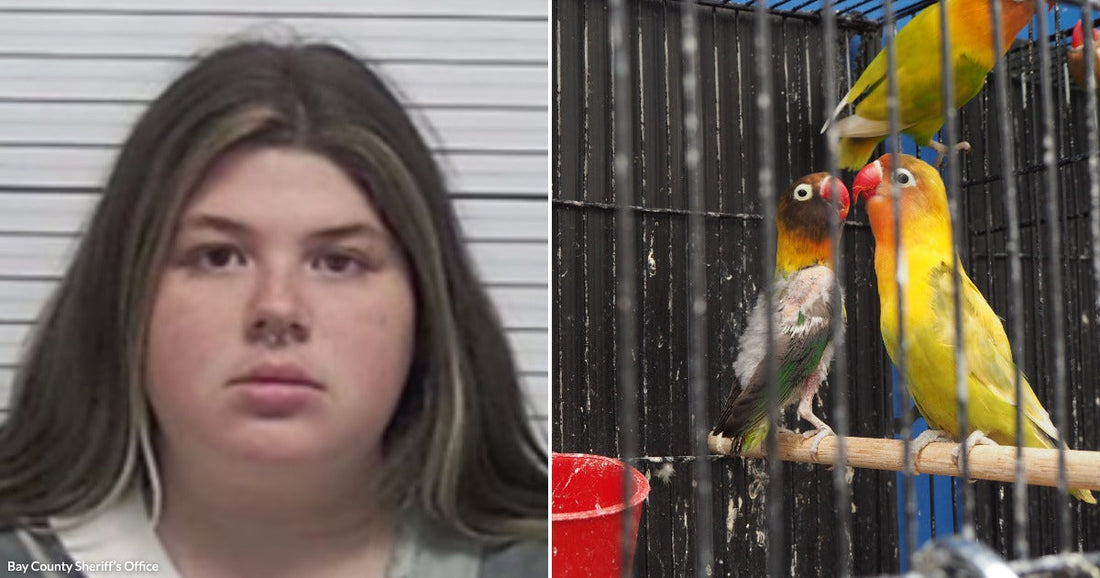
The recent arrest of a Panama City Beach woman on aggravated animal cruelty charges is a painful reminder of how vulnerable animals are behind closed doors and how crucial it is for communities to stay alert to signs of neglect. According to law enforcement, what unfolded inside a home on Junipero Avenue was a serious case of animal neglect and suffering, one that authorities say involved multiple dead birds and severely malnourished pets. Stories involving animal cruelty in Panama City Beach can be difficult to read, yet they also highlight why public awareness and responsible pet ownership matter so deeply.
Investigators from the Bay County Sheriff’s Office reported that they responded to concerns about potential animal neglect at this residence in early December. The owner, identified as 20-year-old Brooklyn Patterson, was said to be responsible for the animals inside the home. When law enforcement arrived and entered the property on December 3, they encountered conditions that were not only distressing but also physically challenging to navigate. The strong, unpleasant odor of animal waste reportedly made it hard for investigators to move through the space, a detail that underscores how long the situation may have been deteriorating.

Once inside, authorities found multiple species of animals in conditions that officials describe as either suffering from neglect or already deceased. The most immediate and heartbreaking discovery was a cage containing three dead birds. Investigators stated that these birds had no access to food or water at the time they were found. This kind of prolonged deprivation is a stark illustration of how quickly confined animals can become vulnerable when their basic needs are not met.
In addition to the birds, law enforcement reported finding several cats and dogs throughout the home. Some animals were free roaming in an environment affected by waste, while others were confined. Among the most concerning findings were two labradoodles locked in crates. According to reports, these dogs had not been let out for long periods, sometimes for several weeks at a time. Authorities described the crated dogs as severely malnourished and said there was no food or water present in their crates. They were also reportedly standing in their own waste, which paints a grim picture of the day-to-day reality these animals experienced.

Bay County Animal Control intervened to remove the surviving animals from the property. Officials reported that six cats and three dogs were taken from the home, including the labradoodles that had been confined to crates. Animal control’s role in such situations is critical, not only to rescue animals currently in distress but also to ensure they receive necessary veterinary care, clean living conditions, and the possibility of eventual rehoming when appropriate. While the article does not detail the medical outcomes for the rescued pets, the removal itself is an important first step in ending their immediate suffering.
From a legal standpoint, the Bay County Sheriff’s Office reported that Patterson now faces multiple charges in connection with the conditions at the home. Investigators stated that she was charged with three counts of aggravated animal cruelty and two counts of animal cruelty. In many jurisdictions, aggravated animal cruelty laws exist to address situations where authorities believe the harm or neglect reached a particularly severe level. The charges in this case reflect the seriousness with which officials are treating what they found during their search.

Cases like this often prompt broader questions in the community. How did this situation become so severe without earlier intervention? What signs, if any, might neighbors or visitors have noticed? While the piece does not explore those questions directly, they linger in the background whenever stories like this are reported. I found it striking that the odor described by investigators was so strong that it made the home difficult to enter. That detail suggests that, in some circumstances, environmental cues such as persistent smells, constant barking, or obvious signs of distress might be early indicators of a problem. It also reinforces how important it can be for community members to speak up if they suspect animals are being mistreated.
At the same time, it is important to remain measured and factual in responding to such news. Only the information that law enforcement has chosen to share publicly is available, and the justice system will address the charges through its own processes. What is clear, however, is that authorities believed the situation merited immediate action, and that they documented conditions consistent with both neglect and cruelty. Responsible coverage of animal cruelty arrests helps make these facts visible without resorting to speculation or sensationalism.
For animal lovers and advocates, reports of neglected pets, dead birds in cages, and malnourished dogs in crates can evoke strong emotions. Many people regard companion animals as family members and see stories like this as a breach of that trust. Yet sharing these accounts, with care and respect, can also serve an important educational purpose. It emphasizes the non-negotiable responsibilities that come with pet ownership, including providing adequate food, fresh water, clean shelter, mental stimulation, and regular opportunities for exercise and relief. When those basic needs are ignored over time, the results can be as tragic as what investigators described at the Junipero Avenue home.
The role of local news outlets in bringing such events to public attention should not be overlooked. By reporting on animal cruelty in Panama City Beach and throughout Bay County, journalists help keep residents informed about what is happening in their own communities. They also highlight the work of law enforcement officers, animal control staff, and investigators who document conditions, rescue animals, and pursue legal action where warranted. Public awareness, in turn, can encourage others to report suspected neglect earlier, potentially preventing similar situations from escalating.
Ultimately, this case is a sober reminder that animal welfare is a collective responsibility. While legal accountability belongs to individuals who face charges, the broader community plays a crucial role in recognizing when animals may be in danger and in supporting local shelters, animal services, and educational efforts. By staying informed, being attentive to signs of distress, and promoting humane treatment for all animals, residents can help create a safer environment for the cats, dogs, birds, and other companions who depend entirely on human care. Read more at https://www.wjhg.com