
Rescuers Launch Massive Operation After 51 Dogs Found Abandoned in Collapsing Shelter
Guest Contributor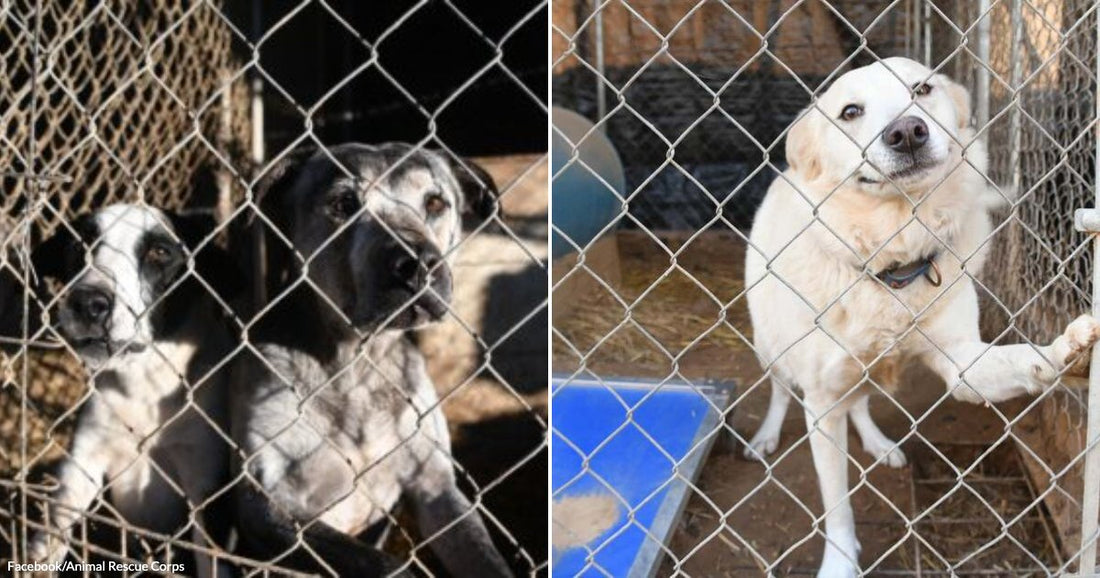
In Ashdown, Arkansas, a collapsing dog rescue operation recently turned into a powerful example of what can happen when determined volunteers and a focused animal rescue organization step in. In one of its largest missions to date, Animal Rescue Corps, a nonprofit headquartered in Nashville, Tennessee, coordinated the rescue of 51 dogs from a derelict shelter that had become the stage for a painful marital dispute. This dramatic animal rescue in Arkansas did not just free dogs from poor conditions. It also offered them a path toward stability, healing, and eventually, new homes.
The situation began at a nonprofit dog rescue facility in Ashdown, where an acrimonious divorce between the shelter’s owners created a heartbreaking stalemate. According to accounts from the scene, the dogs were effectively caught in the crossfire of a conflict they neither understood nor caused. Much like children bearing the emotional weight of a family breakup, these animals found themselves stuck in limbo, their futures uncertain and their daily lives increasingly precarious.

By the time Animal Rescue Corps, often known as ARC, became involved, many of the dogs had already been living at the shelter for years. One dog, appropriately named Yoshi, had reportedly spent a decade waiting for adoption. Details like that highlight how long-term sheltering, especially under deteriorating management, can quietly turn into long-term neglect. I found this detail striking because it underscores how invisible some animals can become when systems fail around them.
ARC learned of the situation and moved carefully at first, seeking legal clarity. Only after confirming a court-ordered surrender of the dogs did the organization activate its field team. Once that happened, the response was swift. The group describes this as one of the largest rescue operations it has ever undertaken, a sign of both the number of animals involved and the complexity of the conditions on site.

Facebook/Animal Rescue Corps
Tim Woodward, ARC’s Executive Director and a finalist for CNN’s 2025 Hero of the Year Award, highlighted the long-term nature of the dogs’ ordeal. He explained that many of them had lived at the facility for years, without the stability and consistent care companion animals typically need. He emphasized that the organization’s priority now is to provide the space, care, and stability the dogs have been missing for so long. His comments reflect a shift away from simple emergency extraction toward a more holistic and trauma-informed view of animal welfare.
Reports from the scene describe the dogs as primarily large-breed and generally friendly. All have already been spayed or neutered, which makes their eventual adoption more straightforward. For years, they had been confined to small cages with limited daily release. Before ARC arrived, the dogs had been moved into outdoor kennels, a change that appears to have been intended to improve their situation, at least slightly.

Facebook/Animal Rescue Corps
Even so, the conditions in those kennels were labeled “austere.” That word carries particular weight in the context of an animal shelter. It suggests minimal shelter from the elements, scarce enrichment, and a lack of the kind of comfort that allows dogs to relax and show their true personalities. In settings like this, behavior can easily be misunderstood, which can in turn make adoption even harder. The fact that the rescue team found the dogs largely friendly despite such circumstances speaks to their resilience.
Woodward explained that ARC’s primary objective was to prevent the situation from getting worse and to stop it from becoming even more detrimental for the dogs. As time passed and no other entity stepped in to take responsibility, it became clear that an organized intervention was necessary. That decision turned an unstable, unsustainable shelter into an opportunity for a coordinated and compassionate response.
The logistics of moving 51 large-breed dogs safely is no small feat. ARC’s field team arranged transport from Ashdown to the organization’s Rescue Center outside Nashville. According to the organization, the transfer went smoothly, with all 51 dogs traveling without incident. Once they arrived, the dogs were scheduled for veterinary evaluations to address physical health, as well as enrichment and long-term care planning to address their emotional and behavioral needs.
At the Rescue Center, the dogs will receive not only medical attention but also structured routines and nurturing interactions that can help them recover from years of confinement. Long-term shelter care today places growing emphasis on enrichment. That covers everything from safe social interactions and toys to gentle training that builds confidence and trust. For dogs like Yoshi, who have spent a decade in a single rescue environment, that shift in daily life can be both challenging and profoundly healing.
Animal Rescue Corps operates with a specific model that separates rescue from adoption. The organization does not handle adoption proceedings for the animals they save. Instead, once the dogs are medically cleared and behaviorally assessed, ARC works with a trusted network of partner organizations and shelters that specialize in rehoming. This structure allows the rescue team to focus intensely on emergency response, transport, and initial rehabilitation, while experienced adoption groups take the lead when it is time to match animals with families.
For prospective adopters, that network is important. A publicist for ARC shared that people who are considering adopting a dog can contact the organization for information on when and where these particular dogs might be available through partner groups. While ARC itself will not be placing the dogs directly, it will coordinate with its partners and share information that connects interested adopters with the right channels at the right time. For individuals and families looking to support a meaningful animal rescue story through adoption, this case offers a concrete way to make a difference.
Stories like this one also highlight a broader reality in animal welfare. Shelters and rescues are often founded with good intentions, yet they are vulnerable to financial, personal, or organizational breakdowns. When that happens, the animals bear the consequences. What distinguishes this Arkansas operation is the way a coordinated team responded before the situation deteriorated to an even more critical point. By stepping in when it became clear that no one else would, ARC provided a safety net that kept a difficult scenario from turning into a full-scale tragedy.
The rescue of 51 dogs in Arkansas is about more than a single day’s work or a dramatic transport. It reflects a continuum of care that begins with legal intervention and field operations, continues with veterinary and emotional support, and ultimately ends in adoptive homes. For the dogs that spent years, and in at least one case a decade, waiting in uncertainty, this intervention changes everything. For the people who follow animal welfare stories, it is a reminder that behind every headline about a large-scale rescue are individual lives quietly waiting for someone to step forward and help. Read more at https://www.goodnewsnetwork.org