
Army Veteran’s Resilience and Recovery with Ekso Indego Exoskeleton Technology
Guest Contributor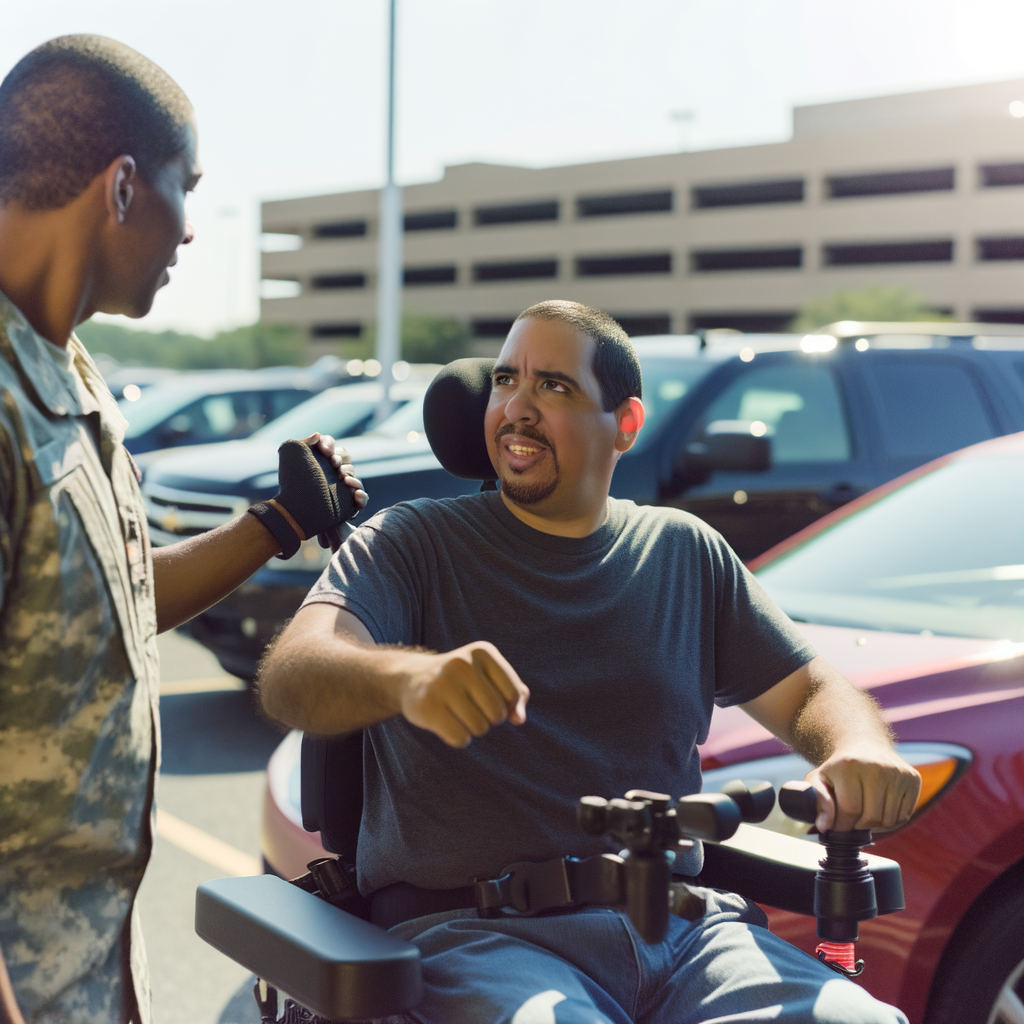
Resilience takes many forms, but few stories embody its essence as powerfully as that of Army Veteran Jeffery Williams. Severely injured during combat operations in Iraq, Williams has not only survived the unimaginable but has redefined what it means to thrive after trauma. His journey—marked by physical recovery, emotional transformation, and technological innovation—offers a compelling testament to the strength of the human spirit and the vital role of Veterans Affairs (VA) in supporting those who serve.

In 2004, just after celebrating his 21st birthday, Williams was deployed to Ramadi, Iraq, where he supported Marine Corps Civil Affairs Operations. During a humanitarian mission in a combat zone, the vehicle he was traveling in struck an improvised explosive device. The blast claimed the lives of two of his fellow soldiers and left Williams paralyzed from the chest down. What followed was a long and arduous path, one that would ultimately lead to a new kind of freedom—powered not only by determination but also by cutting-edge technology like the Ekso Indego exoskeleton.

Initially, the emotional toll of his injury was nearly as devastating as the physical one. Williams admitted that he once wished he had died on the battlefield, overwhelmed by the thought of a life confined to a wheelchair. But his healing began in earnest when he arrived at the Spinal Cord Injury Center at the Augusta VA, one of the VA’s specialized facilities for spinal injuries. There, he encountered a turning point: a fellow Veteran, also paralyzed, demonstrating what life after such an injury could look like. Witnessing this man independently park and exit his vehicle sparked a crucial realization for Williams—life could still be lived fully, just differently.
The support Williams received at the VA extended beyond medical care. He emphasized the passion and empathy of the staff, noting that their dedication helped him shift his mindset. “They cared about me,” he said, reflecting on how their encouragement made him believe in his own potential again. This theme of compassionate care is one that resonates throughout his story and highlights a key strength of the VA system, particularly in the realm of spinal cord injury rehabilitation.
One of the most inspiring chapters in Williams’ journey began at the VA Wheelchair Games, an annual event that celebrates adaptive sports and Veteran resilience. It was there that he first encountered the Ekso Indego exoskeleton, a five-piece powered system designed to help individuals with lower-limb paralysis stand and walk. Intrigued by the possibilities, Williams pursued a trial of the device. By 2024, he had been fitted with his own unit, which has since become a regular part of his rehabilitation regimen at the Birmingham VA.
The impact of the exoskeleton on Williams’ life has been profound. “When I first stood up to have a conversation with someone at eye level, it was very cool,” he shared. Although he is still building strength and endurance, the ability to stand and walk—even with assistance—has changed his perspective. His physical therapist, Danielle Peterson, noted his enthusiasm and gratitude, describing him as someone who brings “amazing personality and energy” to therapy sessions.
Williams’ story also underscores the importance of community support in recovery. His CrossFit coach and family members have been trained by the Birmingham VA to assist with the exoskeleton, allowing him to use the device outside of clinical settings. This integration of technology into daily life not only enhances physical mobility but also reinforces emotional independence and social connection.
What I found particularly striking was how Williams’ outlook evolved from despair to determination. His candid reflections on the early days of his injury contrast powerfully with his current sense of purpose. He now views himself as a source of encouragement for others facing life-altering challenges. “I believe the care is superb,” he said. “I think VA care is better than anywhere.”
His story is not just one of survival but of transformation. From the battlefield in Iraq to standing tall with the help of the Ekso Indego, Williams exemplifies how innovation, coupled with compassionate care, can redefine what is possible. His journey highlights the critical role of VA rehabilitation programs and emerging technologies in empowering Veterans to reclaim their independence and dignity.
For those seeking inspiration or facing similar challenges, Williams offers a powerful message: adversity does not define you—how you respond to it does. As he continues to embrace new technologies and advocate for fellow Veterans, his life stands as a beacon of what can be achieved through resilience, support, and the unwavering belief that a new path forward is always possible.