
Floodwater Fills Family Homes and Animal Responders Arrive to Make Sure Pets Are Not Left Behind
Guest Contributor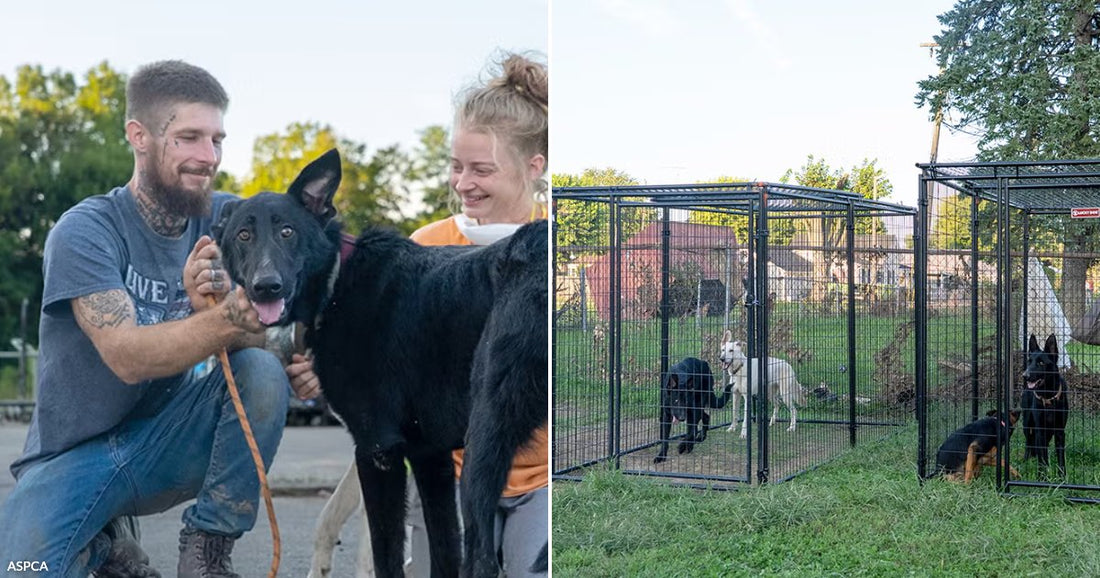
When severe weather strikes, the impact on people is obvious. Less visible, but just as real, is the toll on animals and the families who love them. In the wake of recent severe flooding in Indiana and West Virginia, the ASPCA’s disaster response teams stepped in to support both overwhelmed animal shelters and flood-stricken families. Their work offers a powerful look at how disaster relief for pets can help keep communities together when it matters most.
In Connersville, Indiana, along the Whitewater River, historic rainfall on August 11 triggered serious flooding, tornadoes and widespread power outages. Thousands of residents suddenly found themselves displaced. Among them were Jordan and Aston M., a couple who had recently purchased their family home and were still settling in when floodwaters rose. Water entered from the basement and climbed to two feet above the main floor, destroying cherished heirlooms, furniture and countless personal belongings they had hoped to enjoy for years.

The couple also had a full household of animals to think about. Before the flooding reached its worst point, Jordan and Aston evacuated their three young children and one of their cats to Jordan’s grandparents’ home, which was located farther from the flood zone. A local cat rescue volunteer stepped in to foster their three other cats. Even with those arrangements in place, one agonizing question remained: what to do about their four dogs.
Their dogs Reina, Ace, Ronan and Josie were not just pets. They were family. When evacuation orders and safety concerns mounted, Jordan and Aston could not bring themselves to leave the dogs behind. Rather than abandon them, they chose to stay with the animals through the storm. It was a decision filled with risk and uncertainty, but also a clear expression of the bond that tied this family together.

ASPCA
In the days after the flood, ASPCA vehicles rolled into the neighborhood at the request of disaster-impacted animal shelters. The ASPCA had deployed teams to support shelters facing surges in need and to help communities with emergency evacuation of homeless cats and dogs. When Jordan saw the vehicles near her home, she ran out to meet the responders, hoping they might be able to help.
“I wanted to know if the ASPCA could help us in any way,” she explained. That simple request opened the door to vital support. The couple met Joy Ollinger, the ASPCA’s senior manager of disaster response, who quickly assessed what the family and their pets needed in order to stay safe.

ASPCA
Joy provided two large dog kennels that could serve as secure, temporary housing, along with tarps and shade cloths to protect the animals from the elements. She also supplied bowls, treats, wet dog food and cat litter so the family could continue to care for their pets while dealing with damaged property and the long process of recovery. With that help, the dogs were safely evacuated to Jordan’s grandparents’ backyard, close enough for the family to visit and care for them while they focused on repairing their home. Their other pets, a bearded dragon, a box turtle and a pink-toed tarantula, remained secure in their enclosures.
According to Joy, the ASPCA’s disaster response is not only about sending teams into animal shelters. It is also about showing up where families live and making it possible for people and animals to stay together. While in the region, she visited shelters that were housing displaced people, carried out field assessments across the community and met with residents throughout Fayette County. The goal was straightforward: offer food and supplies so families would not have to choose between their own safety and the safety of their animals.
Joy noted that Jordan and Aston went above and beyond to protect their dogs, describing their efforts as heartwarming. Their story illustrates how compassionate disaster response for pets can reduce trauma for families and help maintain stability for children and adults who are already coping with loss.
The ASPCA’s presence in Indiana and West Virginia was not a quick visit. Teams spent more than a week on the ground, assisting with daily care for homeless animals in shelters and providing emergency evacuation support for cats and dogs with nowhere else to go. This type of sustained disaster response requires significant resources. The organization credits The Rachael Ray Foundation and other dedicated supporters with helping make that work possible. The Rachael Ray Foundation was launched to support causes close to Rachael Ray’s heart and is committed to improving the lives of animals in need while honoring the human-animal bond.
Back in Connersville, the slow work of rebuilding has begun. While some homes in Jordan and Aston’s neighborhood have been condemned, their house still has a sound foundation. Aston, who is skilled in brick refractory work, roofing and flooring, has started tackling repairs himself. Rebuilding after a flood is rarely quick or easy, but his abilities give the family a path forward.
“We’re taking it day by day,” Jordan said. The storms struck at a particularly stressful moment for her personally. They arrived during finals week at Indiana University East, where she is working toward a bachelor’s degree in humanities and social science. Managing school, parenting, home repairs and the emotional weight of the disaster at the same time would test anyone’s resilience. In the middle of all of this, knowing that their animals were safe and cared for clearly provided some comfort.
The ASPCA has a long history of stepping into situations like this. For 160 years, the organization has responded when animals are at their most vulnerable, partnering with shelters and communities across the country to provide care precisely when and where it is needed most. Whether the need is emergency evacuation, sheltering support or simple supplies like food and crates, their teams are trained to adapt to what each community is facing.
Jordan shared that Joy and the ASPCA team “took such good care of us” and described the organization as very attentive. Although the physical damage caused by flooding can last for months or years, moments of practical support and compassion can make an immediate difference in how families cope and recover.
The broader lesson from this story is one the ASPCA emphasizes strongly. With natural disasters occurring more often and with greater intensity, making a pet disaster preparedness plan is no longer optional. September is National Preparedness Month, which makes it an ideal time for pet owners to think through what they would do if they had to evacuate suddenly or shelter in place for an extended period. Planning ahead for items like carriers, leashes, food, medications and safe housing for animals can prevent heartbreaking decisions when emergencies strike.
For those who want to prepare, the ASPCA offers guidance and resources at aspca.org/disasterprep that explain concrete steps pet owners can take before storms or other crises occur. The story of Jordan, Aston and their animals shows that even in the middle of chaos, planning and support can keep families together. Their experience, and the ASPCA’s response, highlight how powerful the human-animal bond can be, and how vital it is to protect that bond when communities are under strain.
Read more at https://www.aspca.org/news/aspca-brings-relief-flood-stricken-families-and-shelters