
Family Discovers Dozens of Snake Skins in Their Roof — and Realizes They’ve Been Sharing Their Home
Guest Contributor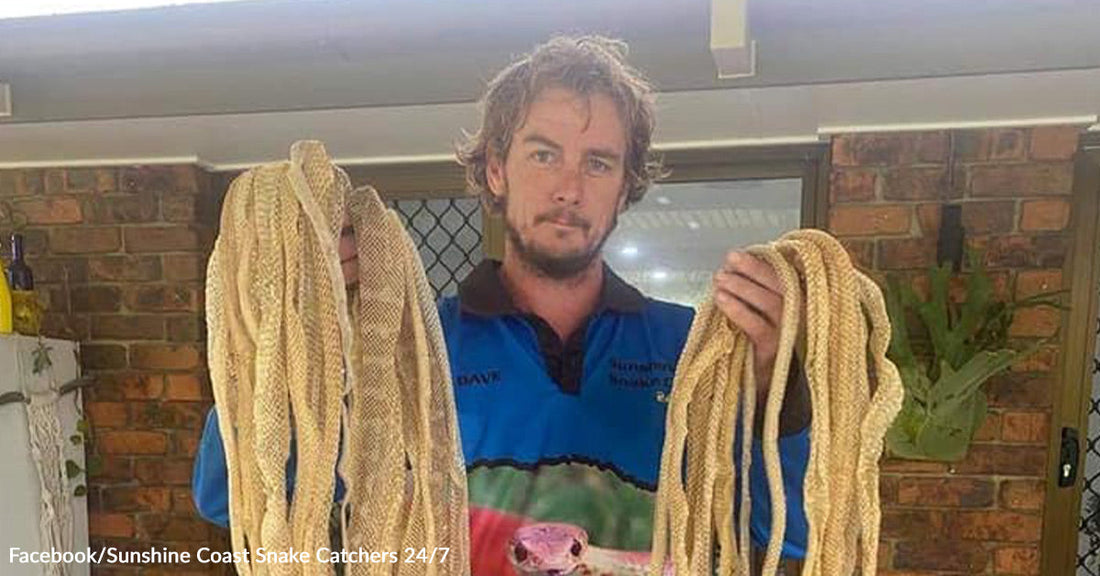
In a startling discovery that blends surprise with a dash of nature’s ingenuity, an Australian family recently learned they had been unknowingly sharing their home with a sizable number of uninvited — yet oddly helpful — housemates. The revelation came after they reached out to Sunshine Coast Snake Catchers 24/7, a local snake relocation service, to investigate a suspicion that snakes might be hiding in their roof space. What the professionals found confirmed those suspicions in dramatic fashion: dozens of snake skins scattered throughout the attic, silent proof of just how many reptiles had been making themselves comfortable overhead.

Australia is no stranger to wildlife encounters, and for many residents, the occasional snake sighting is simply part of life. Still, discovering that your roof has become a reptilian residence is a memorable experience. According to the team from Sunshine Coast Snake Catchers 24/7, the roof space of this family's home contained over 30 snake skins that were physically removed, with an estimated 20 more left behind. That’s a significant number of sloughed-off skins, each one a sign of a snake growing — and staying — in the same place for some time.
I found this detail striking: the presence of so many skins suggests not just a passing visit, but a long-term, perhaps even generational, snake hideaway. While the idea of snakes in the attic might sound unsettling to many, the family’s children reportedly found the situation fascinating. According to the snake catchers, “The kids at the house loved it.” It’s a reminder that curiosity can sometimes outweigh fear, especially in the young.
Though the article doesn’t confirm whether any live snakes were found during the inspection, the sheer number of skins indicates a thriving, if secretive, population. This hidden ecosystem raises questions about how often we share our spaces with wildlife without ever knowing it. In this case, the snakes had been quietly coexisting with the human residents, leaving only their cast-off skins as evidence.
Interestingly, the presence of these reptiles may have had an unexpected benefit. Sunshine Coast Snake Catchers 24/7 pointed out that snakes play a vital role in pest control. “Snakes are great to have in your roof as they eat all the rodents,” the company noted. In other words, these stealthy inhabitants may have been helping to keep the home’s rodent population in check — a natural form of pest management that requires no traps or poisons. The idea of “free pest control” might not be comforting to everyone, but it does highlight the ecological balance that snakes can help maintain.
Snake shedding is a natural part of their growth process. As they consume food and increase in size, their outer skin becomes too tight and is shed to allow for further growth. The number of skins found suggests that the roof space provided both safety and sustenance — likely in the form of mice or rats — encouraging the snakes to stay. This detail underscores a broader point about how human structures can inadvertently offer shelter to wildlife, especially when food sources are readily available.
The family’s decision to call in professionals for an inspection was a wise one. While snakes are generally shy and prefer to avoid humans, their presence in a home can still pose risks, particularly if venomous species are involved. The article does not specify what type of snakes had been living in the roof, but in a country like Australia, where both harmless and highly venomous snakes are common, erring on the side of caution is always advisable.
For many readers, the idea of sharing a home with snakes might be more than a little unsettling. Yet this story also offers a different perspective: one of coexistence and even appreciation for the role these creatures play. The snakes had gone unnoticed for some time, causing no apparent harm and potentially offering real benefits. In that sense, they were uninvited guests who kept to themselves and contributed quietly to the household’s well-being.
This incident also serves as a reminder of the importance of regular home maintenance and inspection, especially in regions known for active wildlife. Roof spaces, basements, and crawlspaces can all become unintended sanctuaries for animals seeking shelter. Calling in experts not only ensures safety but can also provide valuable insight into how to better secure a home against future wildlife intrusions.
Ultimately, the story of this Australian family and their snake-filled attic is a fascinating glimpse into the ways humans and animals can share space — often without even realizing it. While the initial discovery may have been surprising, it also offered a chance to learn more about the natural world and the quiet, unseen lives that sometimes unfold just above our heads.