
🚨Urgent: Missile Strikes Shelter in Ukraine! Rush Emergency Aid!
Home Condemned Following Rescue Of Thirty Nine Dogs, Children From Unsanitary Home
Guest Contributor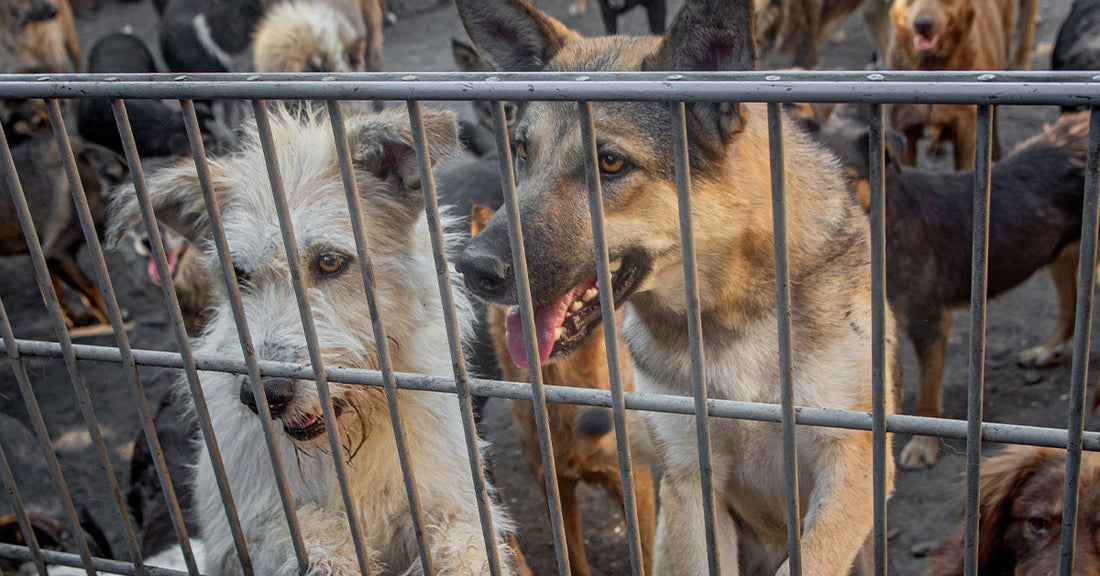
Behind many breaking news headlines is a journalist whose work shapes how communities understand what is happening around them. The recent coverage of an Ansonia home with 39 dogs condemned due to "unsanitary and unsafe" conditions is one such story, and it offers a window not only into a distressing situation, but also into the reporter who brought it to the public’s attention. The article, centered on a condemned home and its serious health and safety concerns, is grounded in careful, local reporting. It also reflects the professional path and skills of its author, Liz Hardaway, a breaking news reporter with Hearst Connecticut Media Group.
Hardaway’s role as a breaking news reporter shapes how readers encounter urgent stories such as a home being condemned for unsanitary conditions. Breaking news requires speed, clarity, and accuracy, especially when topics involve public safety, animal welfare, or possible legal consequences. Her background suggests she is well prepared for that challenge. She has worked as a Hearst fellow both in Connecticut and at the San Antonio Express-News, where she covered city hall and local issues. That kind of experience is crucial when reporting on serious situations, because it teaches a reporter how to navigate public records, communicate with local officials, and present complex situations in a way that communities can quickly grasp.

The Ansonia case itself revolves around an "unsanitary and unsafe" home where 39 dogs were found, a phrase that immediately signals serious health and welfare concerns. When a home is condemned, it is not only a personal crisis for those who live there, but also a matter of public interest. The involvement of police in describing the conditions underscores the severity of the situation. Stories like this draw attention to how local authorities respond when animals and people may be living in harmful environments. A breaking news reporter has to translate official statements, inspection findings, and law enforcement actions into a clear narrative that residents can understand and trust.
Reporters who cover such cases frequently walk a careful line between informing the public and avoiding sensationalism. A story about 39 dogs in dangerous conditions could easily become a source of shock or outrage. Yet the best reporting focuses on the documented facts, the responses from authorities, and any evolving developments, such as investigations, remediation, or support from animal welfare organizations. When I think about coverage like this, I find it striking how much responsibility rests on the journalist to handle emotional subjects with restraint and respect. The presence of so many animals in one home, combined with condemnation due to safety concerns, naturally prompts questions about how the situation developed and what safeguards are in place to prevent similar cases.
Hardaway’s previous experience covering city hall and local issues at the San Antonio Express-News demonstrates why she is well suited to report on cases where government agencies, law enforcement, and residents intersect. City hall reporting often involves understanding regulations, housing codes, and administrative procedures. When a home is condemned, those areas of knowledge become essential. A reporter can explain, for instance, what it means for a property to be declared unsafe, how that decision is reached, and what steps follow for the occupants and any animals involved. Readers then gain more than a dramatic headline; they gain a clearer picture of how local systems function.
Her work in Southwest Florida at the Sun Newspapers as a general assignment reporter, where she covered politics, business, and health, adds another layer of context. General assignment reporters must adapt quickly to different beats and subject matter, which is exactly what breaking news coverage often demands. A story about unsanitary and unsafe housing conditions touches on health concerns, possible code enforcement issues, and sometimes broader social questions, such as access to resources for pet owners or mental health support for residents in crisis. While the available details focus on the condemnation and number of dogs, an experienced reporter brings an awareness of these surrounding issues even when they are not fully explored in a single article.
Behind the byline is also a clear educational and personal background. Hardaway graduated from Ohio Wesleyan University in 2018 with a B.A. in journalism. That formal training in reporting, ethics, and writing likely supports her ability to handle stories that may involve vulnerable people or sensitive scenes. Academic preparation can shape how a journalist verifies information, approaches sources, and avoids unfounded speculation. When reporting that police described a home as unsanitary and unsafe, careful sourcing and clear attribution are vital, particularly when the situation may lead to legal proceedings or public scrutiny of those involved.
Beyond her professional life, the small glimpse into Hardaway’s personal interests helps humanize the person behind the reporting. She enjoys cooking, reading, and playing with her dachshund, Finn. That detail takes on a subtle resonance when she covers a story involving dozens of dogs in distressing conditions. It does not change the facts of the case, but it does suggest that the reporter understands, at a personal level, the connection many people feel with animals. This can encourage empathetic choices in how such a story is framed, such as avoiding dehumanizing language about residents or overly graphic descriptions of conditions, while still conveying the seriousness of what authorities found.
For readers, knowing who reports their local news can foster greater trust. When a breaking news reporter consistently provides measured, fact-based coverage of difficult situations, audiences are better equipped to respond constructively. In the case of an Ansonia home with 39 dogs condemned due to unsanitary and unsafe conditions, readers might look for follow-up stories that explain what happens to the animals, how the property is handled, and whether any policy conversations emerge in the community as a result. A reporter with Hardaway’s mix of local experience, city hall coverage, and general assignment work is well positioned to follow those developments as they unfold.
Stories about condemned homes, unsafe living situations, and animal welfare are rarely simple. They often sit at the intersection of personal hardship, public health, law enforcement, and community responsibility. By focusing on the reporter’s background, it becomes clearer how much effort and preparation stand behind a single piece of breaking news. The article about the Ansonia home is not only a snapshot of a troubling moment; it is also a reflection of a journalist committed to bringing difficult realities to light, informing neighbors, and supporting an engaged, well-informed public. Read more at https://www.ctpost.com