
🚨Urgent: Missile Strikes Shelter in Ukraine! Rush Emergency Aid!
Animal Cruelty Arrest After Man Slams Small Dog To Ground In Restaurant
Guest Contributor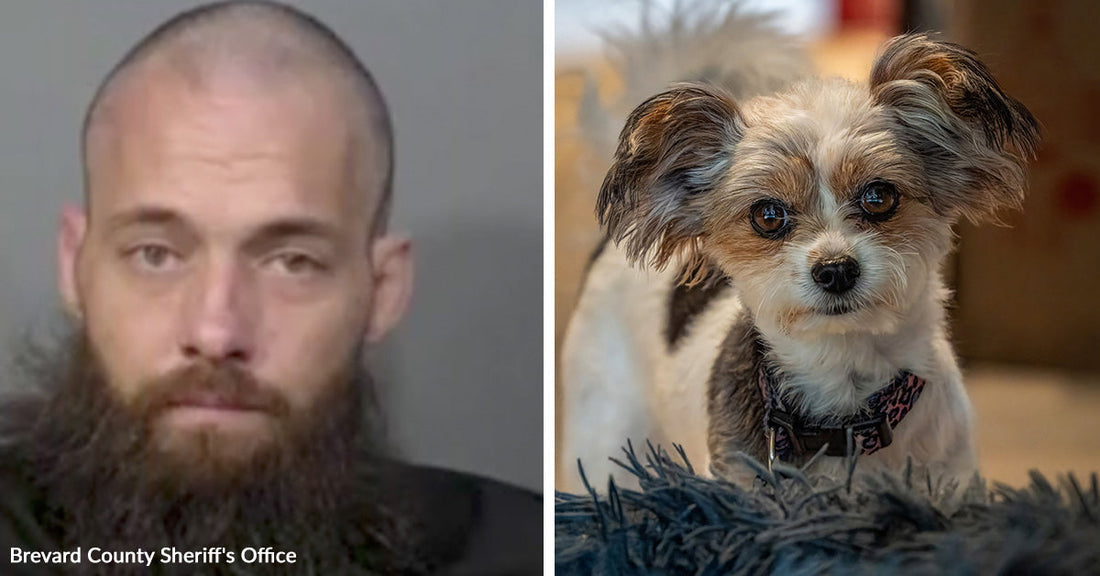
The recent incident in Brevard County in which a man allegedly slammed his small dog onto the pavement has generated outrage and heartbreak in equal measure. According to the report, Brevard County Sheriff Wayne Ivey condemned the act in a video statement and described the suspect as having “evil in his heart.” The case combines animal cruelty, public intoxication and violent threats against law enforcement into a deeply troubling example of how quickly a situation can escalate when alcohol, aggression and vulnerable beings intersect. In a time when communities are increasingly attentive to how we treat animals, this disturbing episode at a Port Canaveral restaurant has become a stark reminder of why animal cruelty laws and strong enforcement matter.
The events unfolded at Gator’s Dockside on Dave Nisbet Drive in Port Canaveral, where witnesses reported that 39-year-old Christopher Stanley had been behaving in a disruptive and frightening manner. Customers at the restaurant’s Tiki Bar told investigators that he was cursing, yelling and refusing to leave, to the point that a bartender requested he be trespassed from the property. What might have started as a typical night out reportedly spiraled into a scene that left bystanders shaken and a small dog in need of veterinary care.

Deputies responded to the restaurant just after 8 p.m. following reports that an intoxicated patron was causing a disturbance and had hurled a small dog onto the pavement. When law enforcement arrived, they identified the individual as Stanley. According to the arrest report referenced in the coverage, he continued to shout in the parking lot as deputies approached. At that point, officers took him into custody for disorderly conduct and intoxication, attempting to regain control of a situation that had grown volatile.
What happened to the dog, named Wilson, is at the center of the animal cruelty charge. A restaurant manager reported seeing Stanley lift Wilson into the air before throwing him to the ground and saying, “He’s your problem now.” The description is brief but chilling. The dog reportedly yelped and ran off. I found this detail striking because it captures a moment in which an animal that relies entirely on human protection is instead treated as an object to be discarded. For bystanders at the restaurant, it must have been a jarring and painful scene to witness.
Fortunately, the article reports that Wilson was later recovered and taken to a local animal hospital for evaluation. At the time of the report, he remained under veterinary care while the investigation continued. That detail offers a measure of relief in an otherwise grim account. The health and long-term well-being of animals subjected to such treatment can be uncertain, so the fact that Wilson received prompt veterinary attention indicates that people on the scene and responding authorities were determined to prioritize his safety.
After Stanley was taken into custody, the situation reportedly did not calm down. Officials say he slammed his head against a patrol car, denting the hood. This act of self-directed aggression against the vehicle added a criminal mischief charge and illustrated how out of control the scene had become. According to the report, he then made multiple violent threats against law enforcement. These alleged actions led to additional charges that reflect the seriousness with which threats to officers are treated.
Brevard County Sheriff Wayne Ivey addressed the public about the case in a video statement that left little room for ambiguity. He condemned the alleged animal abuse in strong terms, saying, “Folks, if you have enough evil in your heart, whether you’re drunk or not, to do that to this little baby, you deserve to sit in jail because if you can do that to an animal, you can do it to a human.” His statement underscored a widely held view that animal cruelty often signals a broader disregard for life and well-being and that protecting animals from violence is intertwined with public safety at large.
The list of charges Stanley faces is extensive. According to the report, he was booked into the Brevard County Jail on animal cruelty, disorderly intoxication, criminal mischief, resisting with violence, threats to law enforcement, breach of the peace and violation of probation. Each charge reflects a different aspect of what allegedly occurred: the treatment of the dog, the disturbance at the restaurant, the damage to the patrol car, the reported resistance during arrest, the threats to officers and the broader disruption to the public space. Together, they paint a portrait of a night that devolved into a serious legal and moral crisis.
Cases like this raise important questions about how communities respond to animal abuse and disorderly behavior in public places. The incident at the Port Canaveral restaurant highlights how crucial it is for staff and patrons to report disturbing conduct quickly so law enforcement can intervene. The bartender’s decision to seek a trespass and the witnesses’ statements about the dog’s treatment appear to have played a key role in ensuring that authorities understood the full scope of the incident. Their willingness to speak up helped bring the alleged cruelty into the open where it could be addressed by the justice system.
The sheriff’s characterization of the incident as an act of “evil” toward a “little baby” taps into a strong emotional response that many people feel when they see a defenseless animal harmed. At the same time, there is a practical dimension to his warning that “if you can do that to an animal, you can do it to a human.” This perspective reflects a longstanding concern in law enforcement and animal welfare circles that cruelty to animals can be a red flag for other forms of violence. While each case is unique and should be judged on its own facts, the alleged behavior in this situation clearly raised serious alarms for authorities.
From a community standpoint, the story has resonated in part because it speaks to shared values. Many people view pets as family members, and the idea of a small dog like Wilson being thrown to the pavement is deeply upsetting. It challenges the basic expectation that those who have the privilege of caring for an animal will protect it from harm. When that trust is broken, strong reactions are not surprising. Still, it is important for coverage and public discussion to remain fact-based and respectful as the legal process moves forward.
In the end, this case from Brevard County is about more than a single night’s events. It touches on public safety, accountability and how communities safeguard both people and animals from harm. Wilson’s recovery at a local animal hospital is a hopeful detail within an otherwise distressing account, and the detailed response from law enforcement illustrates that acts of animal cruelty, especially those combined with threats and violence, are taken very seriously. As the investigation continues and the courts address the charges, many will no doubt keep a close eye on the outcome, not only for the sake of justice in this particular case but also for what it says about how strongly society chooses to stand against cruelty in all its forms. Read more at https://spacecoastdaily.com