
A Dog Had No Chance At Survival Before Charges Followed
Guest Contributor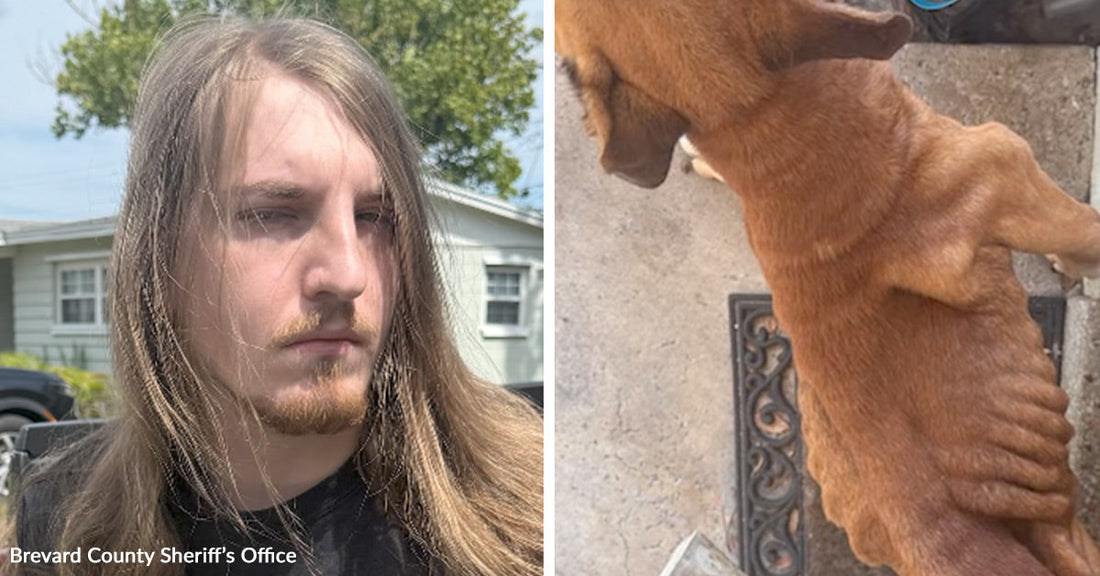
The case of a dog nicknamed “Chance” in Brevard County, Florida, has shaken many people who care about animal welfare. The story, shared publicly by Brevard County Sheriff Wayne Ivey, centers on an aggravated animal cruelty charge and a heartbreaking outcome for a dog that authorities said had “no chance at survival.” As details emerged about the extremely emaciated animal and the severe leg infection it suffered, this animal cruelty case in Brevard County quickly became a stark reminder of how critical early intervention is for vulnerable pets.

According to Sheriff Ivey, his agency received a call on a Monday regarding concerns about the condition of a dog owned by Andrew Carroll. Animal Enforcement officers were dispatched to Carroll’s home to check on the animal’s welfare. What they reportedly found there, the sheriff later described as “horrible.” The dog was said to be extremely underweight, with bones visible in a way that suggested prolonged neglect rather than a brief lapse in care. This kind of extreme emaciation usually signals a serious failure to provide basic food and medical attention over time.
In his video statement, Sheriff Ivey explained that the dog’s leg was not only injured but also badly infected. The condition of the leg stood out as especially disturbing. The sheriff emphasized how difficult it was to imagine anything worse than seeing an animal so thin, yet the infection took that distress a step further. He described the leg as severely infected and noted that the dog was covered in fleas. According to Ivey, the infestation and the infection had progressed to the point where the affected area had become necrotic. Necrosis, which involves the death of tissue, is often associated with severe pain and can be life threatening when not treated promptly and adequately.
Authorities said that when officers first arrived, Carroll initially refused to surrender the dog he owned. The animal had by then been nicknamed “Chance,” a name that underscores the hope many people place in the possibility of rescue and recovery for abused animals. Eventually, Carroll did surrender the dog. By that time, however, veterinary professionals determined that the damage to Chance’s body was too extensive. Sheriff Ivey reported that the dog’s overall condition was so poor, and the suffering so great, that euthanasia became the only humane option. The dog was effectively “starved to death,” in the sheriff’s words, and combined with the infection and flea infestation, there was no viable path back to health.
The decision to euthanize any animal is never taken lightly in professional settings, particularly when there is even a modest possibility of recovery. In this case, the sheriff’s account stated that Chance had “no chance at survival.” That conclusion, according to his statement, came after assessing the extent of the neglect, the severity of the infection and the overwhelming flea problem. The description paints a picture of an animal that had endured a prolonged period of suffering before help finally arrived.
In addition to describing the physical condition of the dog, Sheriff Ivey also recounted what he said Carroll told officials. According to the sheriff, Carroll made a crude remark directed at him, reportedly saying, “Tell Sheriff Ivey he’s a little (expletive).” Sheriff Ivey responded publicly to that insult by asking rhetorically, “Well, who looks like that now? Because it ain’t me.” This exchange, as recounted by the sheriff, reflects the emotional intensity that often surrounds severe animal abuse cases. Law enforcement officers who investigate animal cruelty frequently see disturbing scenes, and these experiences can influence the way they communicate outrage and resolve to the public.
Following the investigation into Chance’s condition, Carroll now faces a charge of aggravated animal cruelty. Aggravated animal cruelty charges typically indicate that authorities believe the mistreatment was particularly serious, whether because of the level of harm suffered by the animal, the duration of the neglect or the apparent disregard for the animal’s pain. While the court system will ultimately determine Carroll’s legal responsibility and any penalties, the sheriff’s office has clearly framed this as a severe case of cruelty rather than a minor lapse in pet care.
The story of Chance highlights how quickly animal neglect can escalate into an irreversible situation. Once emaciation becomes extreme and infections progress to the point of necrosis, the animal’s body may simply no longer be able to recover, even with veterinary intervention. In this context, euthanasia becomes a tragic but sometimes necessary decision to prevent further suffering. Many animal advocates see cases like this as a call to strengthen community awareness about signs of abuse, from visible ribs and lethargy to open wounds and heavy parasite infestation.
Another important aspect of the sheriff’s statement involves the role everyday people can play in preventing similar outcomes. The sheriff’s office publicly encouraged anyone who witnesses or suspects animal abuse to report it to authorities. While the specific contact details provided in the original report should not be repeated here, the core message is straightforward. When neighbors, friends or family members speak up after seeing an animal in distress, they create an opportunity for intervention before the situation reaches a crisis point. Early reporting can mean the difference between a successful rescue and a case in which a pet has already reached the point of no return.
Community involvement in animal welfare does not require specialized training. Observing whether an animal regularly appears extremely thin, limping, covered in parasites or confined without access to food, water or shelter can be enough to raise legitimate concern. In many places, local animal services or law enforcement agencies have systems in place to handle such reports, assess the situation and, if necessary, remove animals from dangerous environments. By sharing the details of Chance’s case so publicly, Sheriff Ivey appeared to be urging residents to see animal cruelty as a serious crime that merits attention and swift action.
The emotional impact of stories like this one can be profound. Many people imagine pets as family members who depend entirely on humans for their well being. To hear about a dog that was allegedly starved, heavily infested with fleas and left with an untreated, infected leg may evoke sadness, anger or a sense of helplessness. Yet there is also a potential for constructive response. Increased education about responsible pet ownership, access to veterinary care and the importance of reporting suspected abuse can help reduce the likelihood of similar tragedies. I found this detail striking because it illustrates how quickly neglect can turn into a situation where even skilled care can do little more than end suffering.
Ultimately, the story of Chance in Brevard County serves as a stark reminder that animal cruelty is not a distant or abstract issue. It happens in neighborhoods and communities where people live and work. Law enforcement’s decision to publicly discuss this case, name the suspect and describe the animal’s suffering places a spotlight on the consequences of failing to protect vulnerable creatures. By taking these stories seriously and remaining vigilant about the welfare of animals around them, community members may help ensure that more pets truly have a chance at survival rather than becoming another heartbreaking example of what can happen when cruelty goes unchecked. Read more at https://www.clickorlando.com