
🚨Urgent: Missile Strikes Shelter in Ukraine! Rush Emergency Aid!
Can Educational Technology Improve Early Literacy? Insights and Evidence
Guest Contributor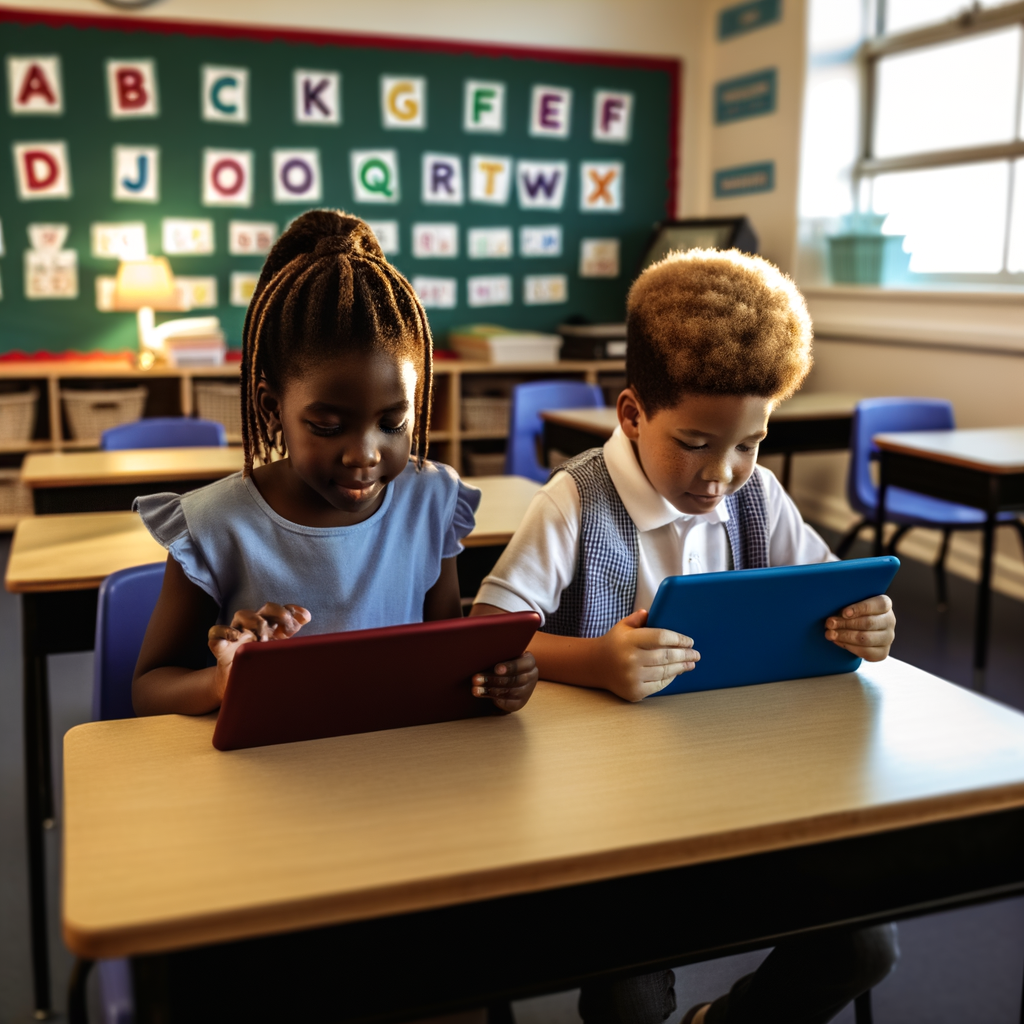
As educational technology continues its rapid ascent, one question remains central: can digital tools genuinely enhance early literacy? The integration of technology in classrooms has been accelerating, with the EdTech sector projected to grow from $161 billion in 2023 to over $860 billion by 2032. This surge reflects a global commitment to improving educational quality and reducing learning disparities. Yet, the real impact of technology on foundational skills like reading and writing deserves close scrutiny. I found this detail striking—despite the enthusiasm, the outcomes are not universally positive or straightforward.

According to a comprehensive meta-analysis of 119 studies conducted between 2010 and 2023, the answer to whether technology improves literacy is nuanced. The researchers evaluated the effects of digital interventions on three key areas: decoding, reading comprehension, and writing among primary school children. Their findings offer a balanced view of both the potential and the limitations of these tools, shedding light on how and when technology can truly support early literacy development.

One of the most encouraging findings was in the area of writing. The analysis revealed a significant improvement, with an effect size of +0.81 standard deviations. Interactive writing tools that offer immediate feedback, automatic corrections, and sentence suggestions helped students refine their writing skills. These platforms encouraged continuous practice and revision, promoting greater clarity and accuracy. However, the studies also emphasized the importance of pedagogical support. Without guidance that fosters creativity and expression, students might focus solely on correcting errors, missing deeper engagement with the writing process.
In decoding—the ability to recognize letters and sounds and form words—technology also showed a positive impact. The average improvement was +0.33 standard deviations. Programs that combined auditory reinforcement with visual aids and repetition exercises were especially effective. Tools that let students hear word pronunciations while viewing the corresponding text provided a multisensory learning experience. Notably, these gains were most evident when digital tools were used consistently and supported by teacher-led practice.
Reading comprehension, a more complex skill involving inference and critical thinking, saw moderate gains of +0.23 standard deviations. Digital texts enriched with audio, images, and interactive definitions helped students better understand material. However, the analysis noted that comprehension often requires connecting text to real-life contexts—something not all platforms facilitate. Tools that included discussion forums and progressively challenging exercises were more effective, suggesting that interaction and reflection are key to deeper understanding.
Despite these positive outcomes, the analysis also highlighted several challenges. For example, when researchers looked at standardized test results, the improvements were less pronounced. The effect sizes dropped to +0.23 for decoding and +0.14 for comprehension. This suggests that while students may perform better within digital environments, these skills do not always transfer to traditional assessments or real-world tasks.
Another area of concern involves equity. While technology has the potential to close learning gaps, it can also widen them. Students from disadvantaged backgrounds may benefit when digital tools are paired with teacher support and designed to be inclusive. However, without reliable access to devices or internet, or when teachers are unprepared to integrate these tools effectively, the digital divide can grow. Similarly, the study found limited benefits for students with disabilities or those learning a second language. Many platforms lack the necessary customization, such as text-to-speech features or adaptive content, to meet these learners' needs.
The analysis also explored different educational technology models and their relative effectiveness. Behaviorist approaches, which emphasize repetition and immediate feedback, were particularly effective for decoding. These tools help automate basic skills but can become monotonous without real-world connections. Constructivist tools, which promote exploration and interaction with digital texts, supported reading comprehension by encouraging students to relate content to their own experiences. However, these tools often lacked explicit instruction in phonemic awareness, limiting their effectiveness when used in isolation.
E-books emerged as a helpful resource for vocabulary development and reading fluency, especially when they integrated text, images, and audio. Yet, the design of these tools matters. Overly stimulating visuals or sounds can distract rather than aid comprehension. Overall, e-books are seen as valuable supplements rather than replacements for physical books.
Computer-assisted instruction (CAI) stood out for its high level of personalization. These systems adapt to each student's learning pace and provide real-time data to teachers, enabling targeted support. CAI was particularly effective in improving writing, offering not only corrections but also suggestions for sentence structure and word choice. This level of feedback supports both mechanical accuracy and expressive clarity.
Ultimately, the success of educational technology in fostering early literacy depends on more than the tools themselves. Strategic integration, teacher involvement, and equitable access are essential. Simply placing devices in classrooms is not enough. Planning meaningful activities, monitoring progress, and encouraging personal reflection all play critical roles in maximizing the benefits of digital learning.
As technology continues to evolve, with advances in artificial intelligence and online learning communities, its role in education will likely grow. However, the human element remains irreplaceable. Teachers, families, and policymakers must work together to ensure that digital tools complement rather than replace the pedagogical process. The decisions made today will shape whether these innovations truly close learning gaps or leave some students further behind.