
Animal Cruelty Arrest Follows A Cat’s Horrific Death From A BB Gun Wound
Guest Contributor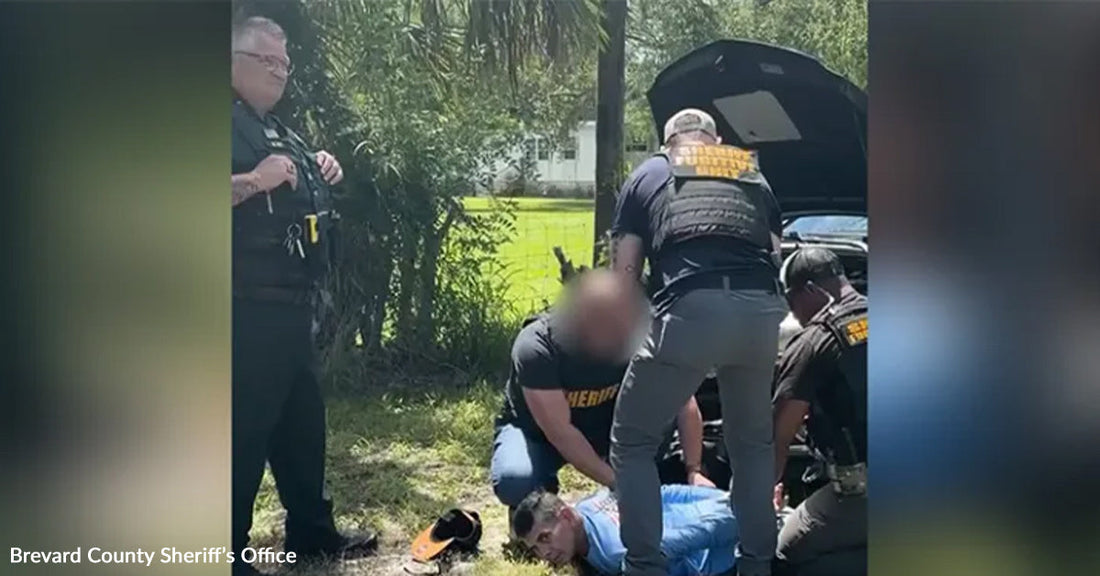
The recent report of a Central Florida man who fatally shot a cat in the eye with a BB gun has left many readers disturbed and angry. The Brevard County Sheriff’s Office described the incident in stark, unflinching terms, and the details have sparked renewed conversation about animal cruelty and community responsibility. For anyone who cares about pets, wildlife, or basic compassion, this story of a cat killed with a BB gun is both painful and important to examine.
According to the Brevard County Sheriff’s Office, 48-year-old Lucas Stedman was arrested after allegedly shooting a cat in the eye with what Sheriff Wayne Ivey called a high-powered BB gun. The cat later died from the injury. The sheriff’s statement emphasized that this was not an accident or a moment of carelessness, but an intentional act carried out because of conflict between animals living at the same place.

Sheriff Ivey explained that Stedman was reportedly upset because a cat that lived at the same residence did not get along with his own cat. The sheriff did not go into extensive detail about the situation between the animals, but he made it clear that, in his view, nothing about that conflict could justify the response that followed. The description of someone taking aim at a small animal and firing a BB gun into its eye underscores the gravity of the allegation and why the charge of aggravated animal cruelty was filed.
In his public remarks, Ivey did not soften his language. He referred to the decision to shoot the cat as something only an “outrageous nutjob” would think is a good idea, indicating how strongly he viewed the conduct he was describing. His words conveyed not only professional disapproval, but a sense of personal disbelief that anyone would choose this path when faced with a common problem like pets that do not get along. I found this detail striking because it highlighted how deeply some law enforcement officials feel about animal cruelty cases.
The sheriff further stated that Stedman was arrested on a charge of aggravated animal cruelty and that his bond was set at 50,000 dollars. A charge of aggravated animal cruelty reflects that authorities considered the act particularly serious. While the report did not elaborate on possible sentencing or legal outcomes, the charge and bond amount signal that the justice system treats a deliberate killing of this kind as more than a minor offense. For communities that worry about both pet safety and broader patterns of violence, this type of case can feel like a reminder of why strong animal protection laws matter.
One of the more jarring aspects of the incident, as described by Sheriff Ivey, came during the arrest itself. The sheriff reported that Stedman stated he “wouldn’t hurt an animal.” Ivey responded publicly to that claim by pointing out the contradiction between such a statement and the death of a cat shot in the eye with a BB gun. His words were blunt and unsparing, reflecting both frustration and a desire to confront what he viewed as a denial of responsibility.
In the sheriff’s telling, he responded with pointed sarcasm, stating that Stedman did not merely hurt an animal, he killed one, and that he should “enjoy” his stay at what the sheriff referred to as “the Lodge.” The phrase appeared to be his informal way of describing the jail where Stedman would be held following his arrest. This rhetorical style is notable. It signaled to the public that, at least from the sheriff’s perspective, there was no ambiguity about the seriousness of the act or the need for accountability.
The reported killing of a cat in Brevard County also raises broader questions about how people choose to handle conflict between animals. Disputes between pets or between pets and neighborhood animals are common, especially in communities with shared outdoor spaces. The overwhelming majority of people seek solutions such as separating animals, using fencing or leashes, consulting veterinarians or trainers, or reaching out to local animal control or shelters for help. Against that backdrop, the decision described in this case stands out as a drastic departure from ordinary, humane responses.
Understanding that many readers will have strong emotions about this story is important. The idea of a defenseless cat shot in the eye is upsetting on its own. When that injury is tied, as reported, to frustration about pets not getting along, it can feel even more unacceptable. Some may see this as an example of how quickly anger can escalate when compassion and problem-solving are absent. Others may focus on the legal side, viewing the aggravated animal cruelty charge and substantial bond as necessary signals that animals cannot be treated as disposable or unimportant.
There is also a public safety dimension to cases categorized as aggravated animal cruelty. While the article did not connect this incident to other crimes, it is widely recognized that deliberate, violent harm to animals is troubling in its own right and often prompts communities to look closely at how such behavior is addressed. The involvement of the Brevard County Sheriff’s Office, combined with the public nature of Ivey’s comments, suggests a conscious effort to show residents that this type of conduct will draw a decisive response.
Stories like this one highlight the importance of community standards and clear expectations around animal welfare. Residents, law enforcement, and local organizations often share a belief that pets and stray animals deserve at least basic safety and care. When that belief appears to be violated, as it did in this case of a cat killed in Central Florida, public reaction can be intense. People may feel protective not only of their own animals but of any living creature that depends on human choices for its safety.
For readers who are upset by this report, one constructive takeaway is the reminder that there are always alternatives to violence against animals. Local shelters, veterinarians, trainers, and animal control offices often have guidance for managing conflicts between pets or between pets and other animals. While the article focused on the single tragic incident and the sheriff’s strong reaction, it indirectly points to the broader principle that frustration is never a justification for cruelty. Upholding that principle, in homes and neighborhoods alike, helps create a community where stories like this become less likely.