
🚨Urgent: Missile Strikes Shelter in Ukraine! Rush Emergency Aid!
Central Florida Survivor Empowers Uninsured Women with Mobile Mammograms
Guest Contributor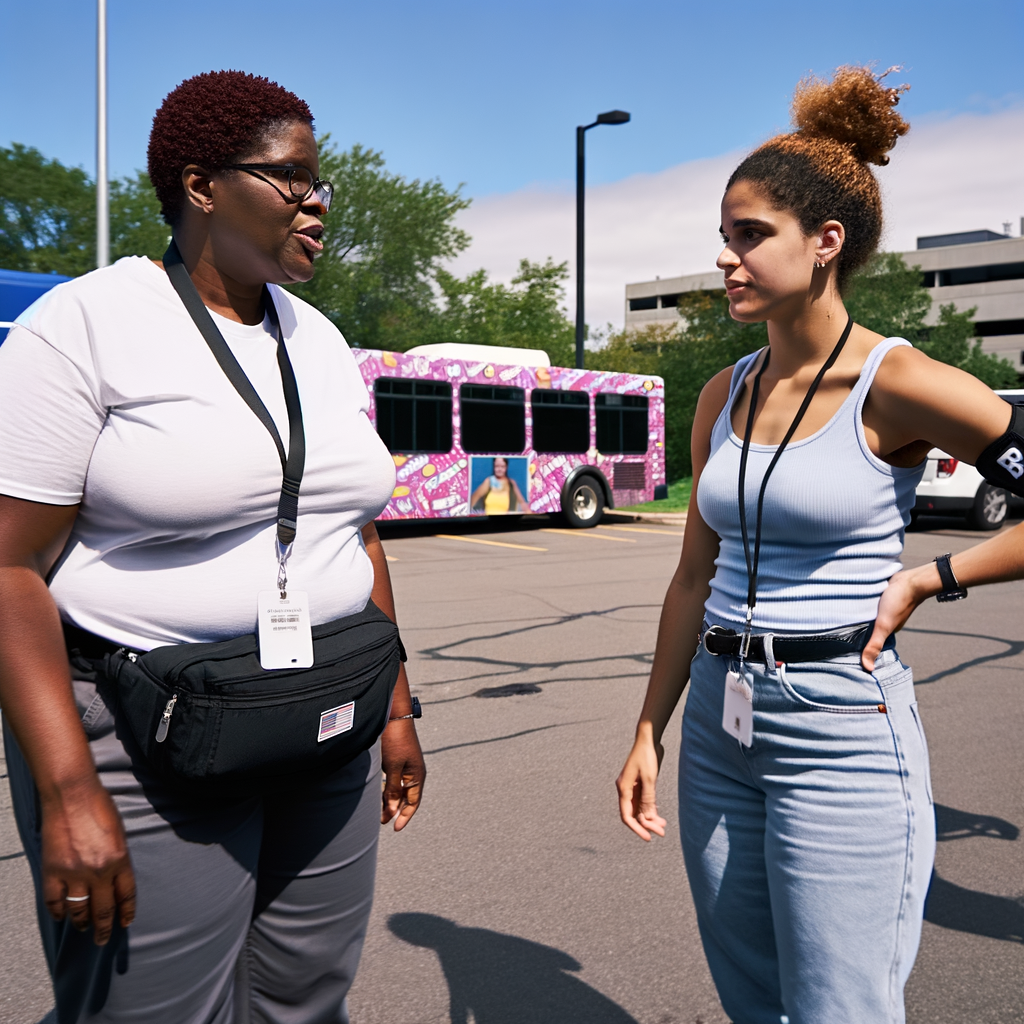
Access to breast cancer screenings can be a matter of life and death, especially for women without health insurance. In Central Florida, one breast cancer survivor is making sure that lack of coverage doesn't stand in the way of early detection. Pamela Burnett, a 24-year survivor herself, has turned her personal experience into a mission through her nonprofit organization, The Beautiful Gate. With its mobile outreach initiative, Mammograms After Sunday Service (MASS), Burnett is bringing 3D mammography units directly into communities, aiming to reduce late-stage breast cancer diagnoses among uninsured women.

The MASS program is designed to meet women where they are—literally. By coordinating with local churches and community centers, MASS offers breast cancer screenings in familiar, trusted environments. On a recent Saturday in Eatonville, Florida, women gathered not just for health services but for empowerment through knowledge and access. Gweneth Liddy, a 70-year-old attendee, shared why she chose to participate: “I have not had a mammogram in the last year. So, I decided it’s best for me to come for my health at 70.” Her words reflect a broader truth—the earlier breast cancer is detected, the better the chances of survival.
According to the National Breast Cancer Foundation, women who receive regular screenings have a 26% lower mortality rate from breast cancer than those who do not. This statistic underscores the importance of the MASS program’s mission. By targeting uninsured women, Burnett’s initiative fills a critical gap in the healthcare system, offering a lifeline to those who might otherwise go without preventative care. I found this detail striking, as it highlights how community-based solutions can make a measurable impact on public health outcomes.
Burnett’s approach goes beyond October’s Breast Cancer Awareness Month. She emphasizes the need for year-round accessibility to mammograms, arguing that breast health education and screenings should not be seasonal. “I still think this type of community outreach works best — that’s just my opinion,” she said. Her belief is rooted in experience, both as a survivor and as an advocate who has seen firsthand the barriers many women face when seeking care.
The mobile mammography units used by The Beautiful Gate are more than just medical equipment—they are tools of equity. By eliminating transportation and cost barriers, these units bring critical services to neighborhoods that might otherwise be overlooked. The program’s name, Mammograms After Sunday Service, hints at its strategy: leveraging existing community networks to promote health in a culturally sensitive and accessible way.
Burnett encourages communities to take ownership of the initiative. “You don’t need me to bring this mobile unit back here,” she told attendees. “Don’t let this be the last year. You make it a yearly thing, get on it now.” Her call to action is a reminder that sustainable change often begins at the local level. When communities embrace health initiatives as their own, the impact can be long-lasting and far-reaching.
Partnerships play a key role in the success of MASS. The program is supported by a network of collaborators who help provide resources, staffing, and outreach. This collaborative model ensures that the program can scale and adapt to meet the needs of different communities across Florida. It also reinforces the idea that improving access to preventative care is a shared responsibility, one that involves nonprofits, healthcare providers, and community leaders alike.
The story of The Beautiful Gate and its MASS program is not just about breast cancer awareness—it’s about removing obstacles to care and empowering women to take control of their health. For many, a mobile mammogram could be the first step toward early detection and effective treatment. For others, it may be a much-needed reminder that their health matters, regardless of insurance status.
In a healthcare landscape where disparities persist, programs like MASS offer a model for how targeted, community-driven efforts can bridge the gap. They demonstrate that with the right combination of compassion, strategy, and partnerships, it is possible to bring essential services to those who need them most. As Burnett’s work continues, it serves as an inspiring example of how lived experience can fuel meaningful change.
For those interested in upcoming screening events or in registering for a mammogram through The Beautiful Gate, more information is available on their website. By participating or spreading the word, individuals can help ensure that more women have access to the preventative care they deserve.