
Cherry Powder Shows Potential In Guarding Against Alzheimer’s Disease
Guest Contributor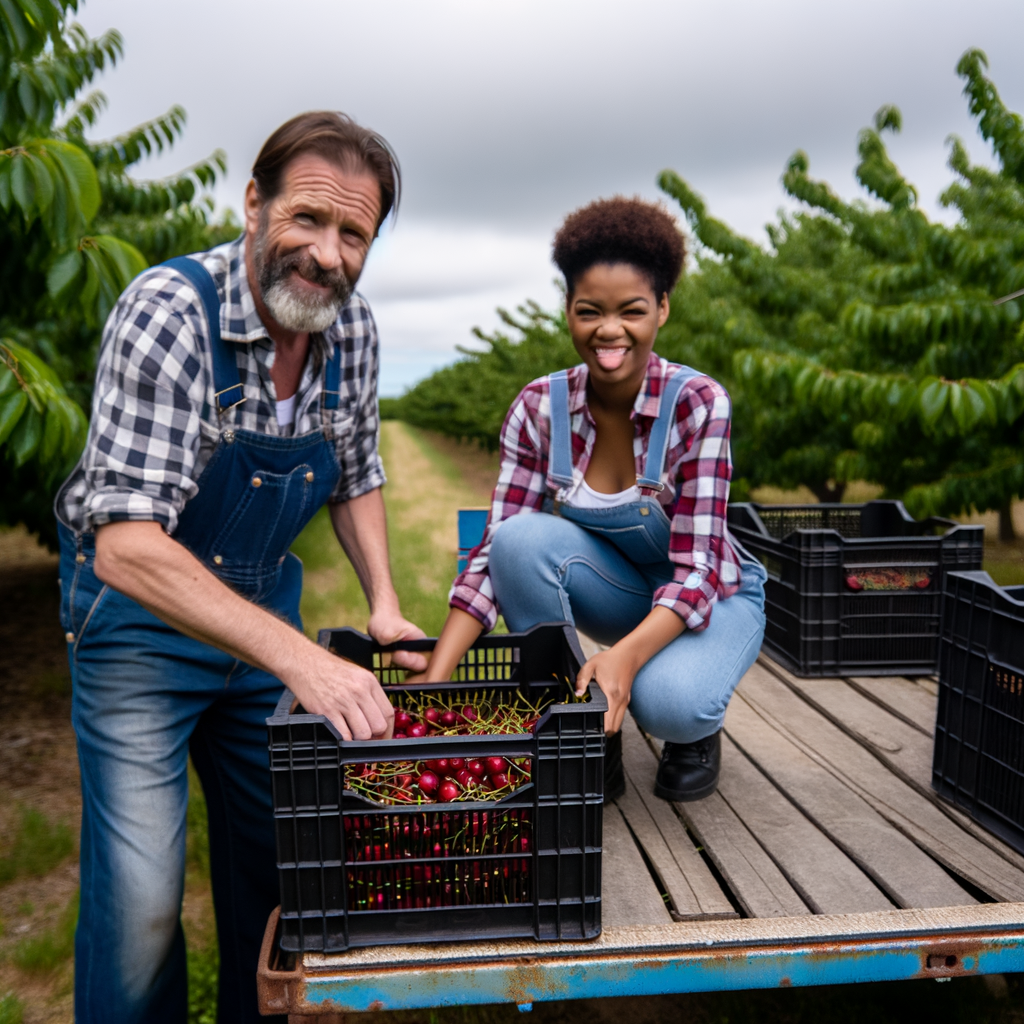
Could a humble cherry hold the key to protecting the brain against Alzheimer’s disease? Researchers at the University of Kent believe so. In a promising development, scientists have found a way to transform surplus cherries into a powdered form that may help defend against age-related cognitive decline. This innovation not only opens new possibilities in the realm of dementia research but also offers a sustainable approach to food production, making use of fruit that would otherwise go to waste.

The idea of cherries contributing to brain health is not entirely new. Previous studies have suggested that cherry consumption can improve cognition in individuals with mild to moderate dementia. However, this latest research takes the concept a step further. Rather than relying on cherry juice alone, the team at Kent has developed a method to produce cherry powder that retains higher levels of anthocyanin, a naturally occurring antioxidant found in cherries. This compound is believed to play a role in protecting brain cells from the oxidative stress associated with Alzheimer’s and other neurodegenerative diseases.

Anthocyanins are known for their vibrant red, purple, and blue hues in fruits and vegetables, and they have been widely studied for their antioxidant properties. What makes this new cherry powder particularly noteworthy is its ability to preserve these compounds more effectively than juice. According to the researchers, this enhanced preservation could amplify the fruit’s potential neuroprotective effects.
I found this detail striking: the cherries used to create the powder were not the pristine, store-ready kind. Instead, the researchers utilized damaged or discolored cherries—produce that would typically be discarded. This decision not only supports environmental sustainability but also aligns with the growing movement to reduce food waste by repurposing agricultural by-products. By giving these cherries a second life, the team has demonstrated how science and sustainability can go hand in hand.
Dr. Marina Ezcurra, the lead researcher from the University of Kent’s School of Natural Sciences, emphasized the importance of collaboration in this achievement. “Working with local growers has been key to this success,” she said. “Together we are showing that agricultural by-products don't need to go to waste – they can become part of the solution to producing sustainable and accessible healthy foods.”
The project was conducted in partnership with Rent A Cherry Tree, a cherry tree business based in Northiam, East Sussex. This local collaboration underscores the potential for regional agricultural communities to contribute to scientific advancements. It also highlights how research initiatives can be rooted in community engagement, creating benefits that extend beyond the laboratory.
In laboratory models, the cherry powder was shown to protect against harmful effects associated with aging, including those linked to Alzheimer’s disease. While these findings are preliminary and based on lab studies, they offer a hopeful glimpse into the future of dietary interventions for cognitive health. The researchers are optimistic about the potential applications of their work and plan to carry out further studies to explore the powder’s effects in greater depth.
From a public health perspective, the development of nutrient-rich, plant-based supplements like this cherry powder could be a valuable addition to the toolkit for promoting brain health. As the global population ages, the incidence of Alzheimer’s and other forms of dementia is expected to rise. Innovations that support cognitive function through accessible and sustainable means are increasingly important.
What sets this research apart is its dual focus on health and sustainability. By creating a product that not only supports cognitive well-being but also reduces food waste, the University of Kent team has addressed two pressing issues simultaneously. Their approach reflects a growing trend in scientific research that seeks to integrate environmental responsibility with human health outcomes.
Of course, more research is needed before cherry powder can be recommended as a preventive measure against Alzheimer’s. Clinical trials will be essential to determine its efficacy in humans and to understand how it might be incorporated into daily diets. Nonetheless, the early findings are encouraging and suggest that natural compounds like anthocyanins could play a meaningful role in future health strategies.
For now, the study serves as a compelling example of how innovative thinking and local partnerships can lead to discoveries with far-reaching implications. It also reminds us of the untapped potential in the foods we often overlook. What might seem like waste today could become a key ingredient in tomorrow’s health solutions.