
🚨Urgent: Missile Strikes Shelter in Ukraine! Rush Emergency Aid!
Children Leading a Nationwide Environmental Movement in Türkiye with Youth Clean-Up Campaigns
Guest Contributor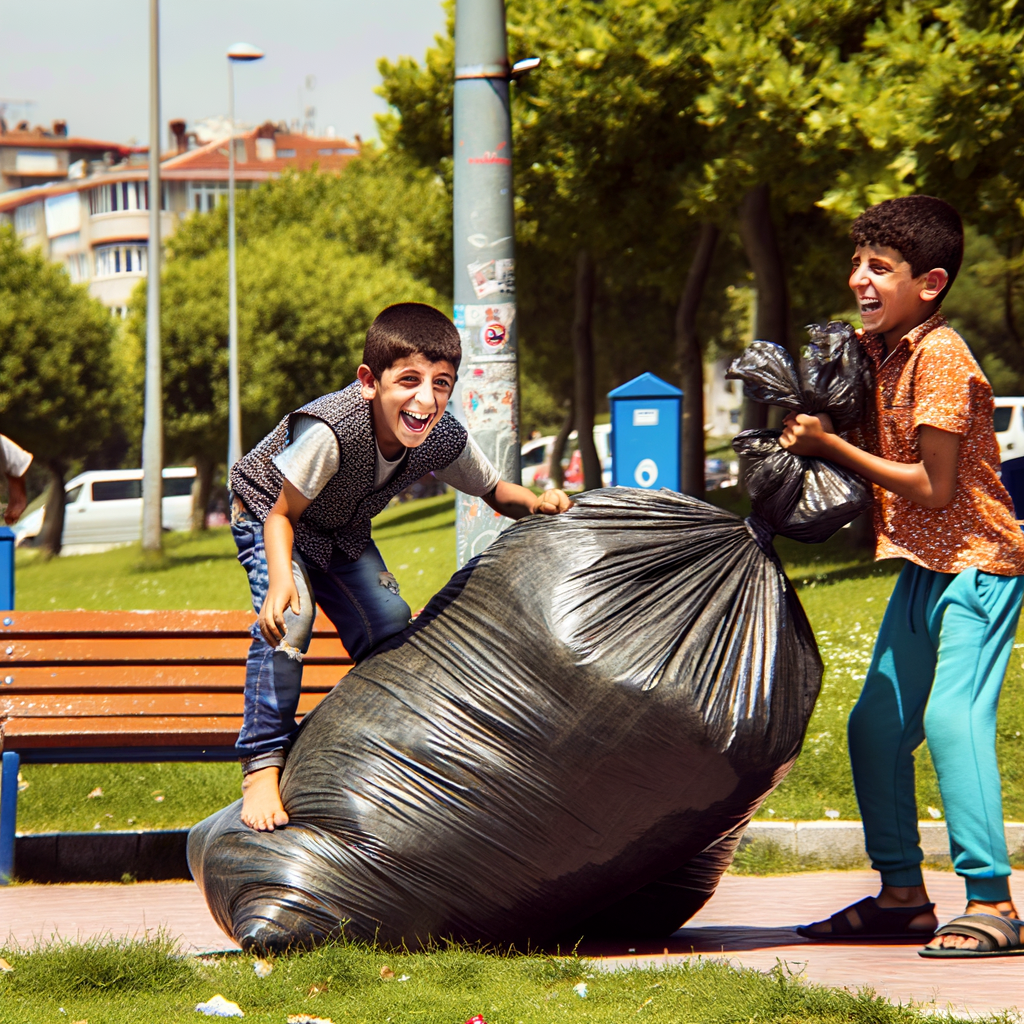
In a heartening example of how small actions can spark widespread change, an 11-year-old boy from southern Türkiye has inspired a nationwide environmental movement. What began as a simple family routine—picking up litter during morning walks—has grown into a youth-led campaign that has captured the attention of millions and galvanized communities across the country. This grassroots initiative highlights the growing role of children in promoting environmental responsibility in Türkiye.

Aras Kayretli, a young resident of Mersin, first began collecting trash during early morning strolls with his mother and younger brother. Alarmed by the increasing frequency of wildfires and the environmental devastation they leave behind, the family decided to turn their walks into a platform for public awareness. Kayretli launched a social media account with a simple yet powerful pledge: “I will collect as much trash as I have followers.”

The response was overwhelming. Within just three days, Kayretli’s videos had been viewed more than 40 million times, and his follower count approached half a million. “I started with zero followers and collected 20 pieces of trash,” he said. “We thought maybe I’d get 50 or 60 followers, but we were shocked. If we had known this would grow so quickly, we would’ve started earlier.”
As his online presence grew, so did his commitment. Kayretli now plans to collect 50 full bags of trash to match his follower milestone. “I don’t understand why people throw their garbage on the ground. Just use the bin,” he said. His straightforward message and genuine concern have resonated with people of all ages. “Some people even asked to join me in picking up litter. That’s amazing. I hope more people do the same.”
His mother, Başak Gizdaş, emphasized that their initiative is not a competition. “We’d actually be happy if others did even more than us,” she said. “We are proud because my children are growing up caring about the environment.” This sentiment reflects a broader cultural shift, where environmental education and action are increasingly being led by the youngest members of society.
Inspired by Kayretli’s viral campaign, children in other regions of Türkiye have launched similar efforts. In the Black Sea province of Gümüşhane, brothers Mete and Görkem Koç took it upon themselves to clean up litter left behind by picnickers. Their video also gained traction on social media and drew the attention of Environment Minister Murat Kurum, who sent them gifts and formally recognized the boys as “environmental inspectors.”
In Antalya’s Aksu district, children with autism from a local school joined the growing movement by cleaning up plastic waste, glass bottles, and agricultural debris from nearby wooded areas. Their efforts aimed not only to beautify the environment but also to prevent forest fires. “We cleaned up the forest so it doesn’t catch fire,” said student Neslihan Özdemir. “It was really dirty. We picked up bags and trash. Let’s keep our forests clean and stop throwing garbage on the ground.”
This wave of youth-led clean-up campaigns demonstrates how environmental stewardship can be both inclusive and impactful. I found this detail striking: that children with different abilities are also taking active roles in safeguarding their surroundings. Their participation underscores the universal nature of environmental responsibility.
The movement’s success on social media has played a crucial role in amplifying its message. Kayretli’s original pledge, tied to his follower count, created a tangible goal that viewers could support by simply clicking “follow.” This interactive model helped transform passive viewers into engaged participants, many of whom have since taken to their own communities to clean up and share their efforts online. The campaign’s viral reach exemplifies how digital platforms can be leveraged for positive, real-world impact.
Beyond its immediate environmental benefits, this initiative fosters a culture of civic responsibility and empowers young people to take ownership of their communities. The visibility of these efforts also serves as a gentle reminder to adults about the long-term consequences of environmental neglect and the importance of setting a good example for future generations.
While the campaign remains grounded in simple acts—picking up trash, sharing a message, encouraging others—it has grown into a symbol of hope and collective action. In a time when environmental concerns can often feel overwhelming, the story of Aras Kayretli and the children he has inspired offers a refreshing perspective: that meaningful change often begins with one individual deciding to make a difference.
As more children across Türkiye continue to join the movement, the message is clear. Environmental responsibility is not limited by age, ability, or location. It is a shared duty that, when embraced collectively, can lead to cleaner, safer, and more resilient communities.