
Coast Guard Veteran Advances Senior Wellness with New Adaptive Fitness Device
Guest Contributor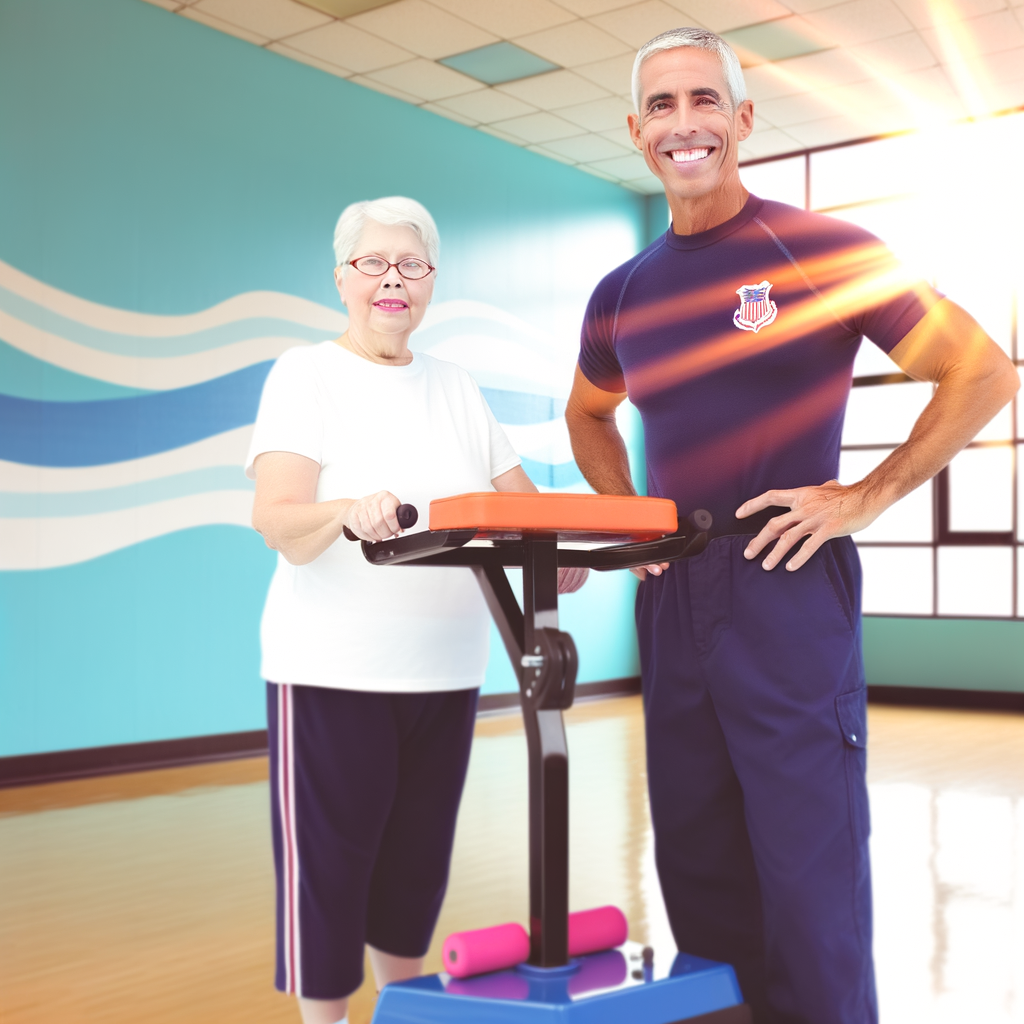
Fitness innovation can come from the most unexpected places. In this case, it arrives courtesy of a Coast Guard veteran who has turned his attention to the wellness needs of older adults. According to a report from the Toledo Blade, this retired service member has invented a new exercise device specifically designed to help "seasoned" individuals stay active and mobile. The story strikes a chord not only because of its ingenuity but also because it highlights a growing demand for age-appropriate fitness solutions.

As people live longer and aim to remain independent well into their later years, the market for senior fitness and mobility tools has expanded. The veteran’s invention responds to that need, offering a practical and inclusive way for older adults to engage in physical activity without the strain or risk that often accompanies traditional gym equipment. This development stands out in the world of adaptive fitness, a keyword phrase that continues to gain relevance as demographics shift.

The article details how the inventor, drawing on his military background and personal experience, created a device that focuses on balance, strength, and flexibility. These are three pillars of physical health that often decline with age, yet remain essential for daily function and fall prevention. The device is not described in intricate technical terms, but it is clear that its design prioritizes safety and ease of use, two features that are critical for the aging population.
What makes this story particularly compelling is the sense of purpose behind the invention. The veteran didn’t simply stumble upon a business opportunity; he saw a gap in the market and felt a responsibility to fill it. That sense of mission, perhaps rooted in his service background, adds a layer of authenticity to the product. It’s not just about commerce—it’s about contribution.
I found this detail striking: the inventor reportedly tested the device with a variety of users to ensure it met the needs of its intended audience. That kind of user-centered approach is often cited as best practice in product development, yet not always followed. In this case, it appears to have been a guiding principle. The feedback from early users, according to the article, has been positive, with many noting improvements in mobility and confidence.
Such outcomes are more than anecdotal. They speak to a broader trend in health and wellness where functionality is becoming just as important as fitness. For older adults, the goal isn’t necessarily to run marathons or lift heavy weights—it’s to maintain the ability to walk, climb stairs, or carry groceries. A device that supports those goals, while also being accessible and non-intimidating, fills a crucial niche.
The article doesn’t delve into the commercial trajectory of the product, but the implications are clear. With the senior population growing rapidly, especially in the United States, tools that support aging in place and reduce healthcare costs are likely to see increased demand. The device could find a home not only in private residences but also in senior centers, rehabilitation clinics, and assisted living facilities. Its potential applications are as varied as the individuals it aims to serve.
In the broader context of veteran entrepreneurship, this story also offers a reminder of the diverse skill sets and perspectives that military service members bring to civilian life. Transitioning from a structured, disciplined environment to the unpredictability of entrepreneurship is no small feat. Yet this Coast Guard veteran has managed to channel his experience into something that could have a lasting impact on public health. It’s a testament to adaptability, another keyword that resonates with both the product and its creator.
While the article focuses primarily on the invention itself, it also subtly underscores the importance of community support in launching such initiatives. From local media coverage to potential investor interest, the role of community engagement cannot be overstated. Innovations like this don’t thrive in isolation—they require networks of encouragement, feedback, and resources.
As the fitness industry continues to evolve, stories like this suggest that inclusivity and accessibility are not just trends but necessities. The aging population deserves equipment that meets them where they are, both physically and emotionally. This veteran’s invention appears poised to do just that, offering a dignified and effective way for older adults to maintain their health and independence.
For those interested in adaptive fitness, senior wellness, or veteran-led innovation, this story is worth following as it develops. It serves as both a practical case study and an inspiring example of how lived experience can drive meaningful change.