
Firefighters Spot a Terrified Dog Clinging to the Riverbank Downstream
Guest Contributor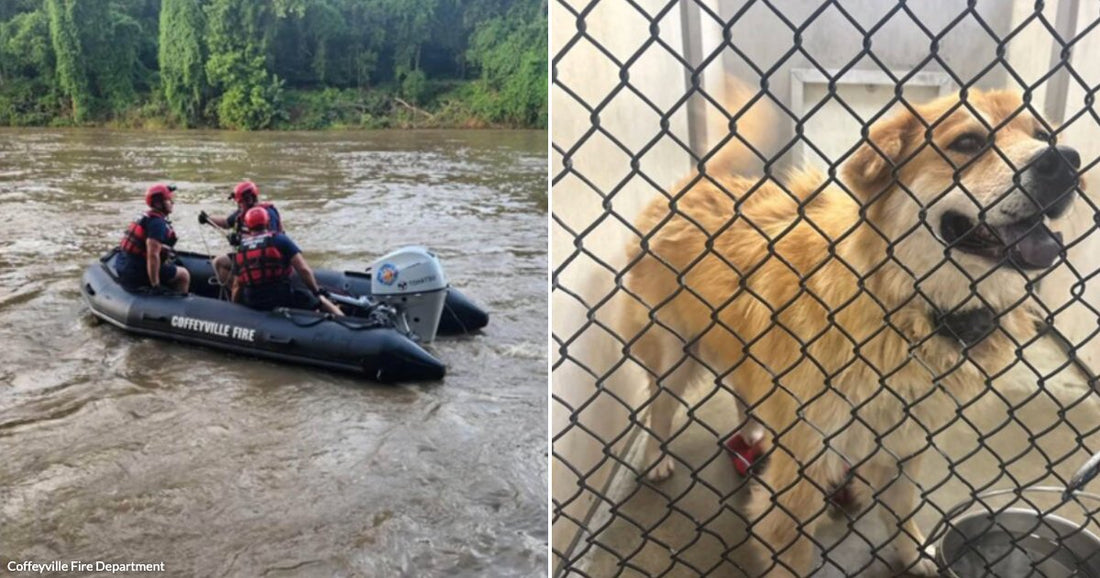
The story of Coffeyville firefighters rescuing a dog trapped in the Verdigris River in Kansas is a reminder of how acts of everyday courage can shape a community’s identity. In a world where news headlines often focus on conflict or controversy, the image of first responders guiding a frightened animal to safety in a rescue boat stands out. This incident brings together several themes that resonate with many people: local firefighting heroes, river rescue operations, and the strong bond between humans and animals that motivates people to risk their own safety.
According to the Coffeyville Fire Department, the call came in around 8 p.m. on Wednesday night. Crews were dispatched to River Road, below the local Water Treatment Plant, for a report of a dog trapped in the water. That location near the Verdigris River immediately suggested that the situation could be risky, both for the animal and for the responders. Rivers can be unpredictable, especially in the evening hours when visibility begins to fade. From the first moments, the firefighters had to balance urgency with caution as they assessed how to reach the animal without creating greater danger.

Responders deployed the department’s rescue boat, a crucial decision that made it possible to approach the dog safely. Using a boat in a river rescue underscores the importance of training and equipment in these situations. The firefighters were not simply improvising their way to the dog. They relied on established protocols and the tools they had prepared for water emergencies. As they moved out onto the Verdigris River, they soon located the dog about 50 yards downstream, clinging to the riverbank. That detail paints a vivid picture of an animal holding on, likely exhausted and anxious, with the water pressing in around it.
The department described the dog as frightened, and that reaction is not surprising. An animal caught in moving water, surrounded by unfamiliar sounds and people, will often respond defensively even when someone is trying to help. During the rescue, the dog bit one of the firefighters and caused minor superficial injuries. The fact that the injury was described as minor does not take away from the seriousness of the moment. It shows how first responders sometimes accept these risks as part of their work, knowing that an animal’s fear can manifest as self-protection.

Coffeyville Fire Department
What stands out is that despite the bite, the crew continued the rescue and successfully brought the dog aboard the rescue boat. That determination reflects the mindset that many firefighters bring to their duties. The priority remained the same: get the dog out of the river and into a safe environment. Their actions illustrate a blend of compassion and professionalism. A lesser trained or less committed team might have stepped back after an injury, but here the goal of a complete rescue remained front and center.
Once the dog was safely removed from the water, the firefighters handed the animal over to the Coffeyville Police Department. From there, the dog was taken to the local animal shelter. This handoff is an important part of the story because it highlights how different local services work together. Firefighters handled the emergency response on the river. Police helped coordinate what would happen next. The animal shelter then became responsible for the dog’s longer term welfare. Rather than a fragmented process, these steps formed a connected chain of care from the riverbank to a safe, stable environment.

Coffeyville Fire Department
At the shelter, the plan is to have the dog microchipped. That simple detail points to a broader conversation about responsible pet ownership and animal safety. Microchipping a dog helps ensure that if it ever becomes lost again, there is a higher chance it can be reunited with its family. Many communities encourage microchipping for exactly this reason. It is a small intervention that can prevent future distressing situations like a dog trapped in a river or wandering unknown streets. In this case, the rescue did not only end with survival. It also opened the door to long term protection.
This Coffeyville dog rescue story also shows how much effort communities invest in protecting more than just human lives. First responders often answer calls involving pets or wildlife. Fire departments and police may rescue animals from flooded areas, icy ponds, house fires, or roadside hazards. These incidents may not always make national headlines, yet local residents often remember them. Acts of kindness toward animals can build trust between public servants and the people they serve. When community members see firefighters risking exposure, injury, or discomfort to save a dog, it reinforces the idea that compassion is part of their mission.
Emergency agencies frequently train for scenarios like this. Water rescue skills, boat operations, communication under pressure, and scene safety are all elements that come into play when responding to a call about an animal in distress in a river. Although the dog in this instance was the one directly in need, the firefighters also had to safeguard their own lives. River conditions, submerged debris, and changing currents can all turn a straightforward rescue into a hazardous operation. The successful outcome here suggests a combination of readiness and careful judgment.
Stories like this may encourage pet owners to take additional steps to keep their animals safe around waterways. Simple precautions such as leashes near rivers, secure fencing, and proper identification can reduce the likelihood of a pet getting into life threatening situations. While the article does not detail how the dog ended up in the Verdigris River, the incident serves as a quiet reminder that accidents can happen quickly. It also reassures readers that when they do, there are trained professionals ready to respond.
The mood of this rescue narrative leans hopeful. A potentially tragic situation at the river’s edge ended with the dog alive, the firefighter’s injury described as minor, and a clear path toward better safety through microchipping. I found this detail striking because it turns a moment of danger into a turning point for the animal’s future security. For residents of Coffeyville and for anyone who cares about animal welfare, this story offers a grounded example of what public service looks like in practice. The firefighters’ actions, the police response, and the shelter’s decision to microchip all contribute to a picture of a community that values both its people and its pets.