
🚨Urgent: Missile Strikes Shelter in Ukraine! Rush Emergency Aid!
Could Nose-Picking Increase Alzheimer’s Risk? New Research Reveals The Facts
Guest Contributor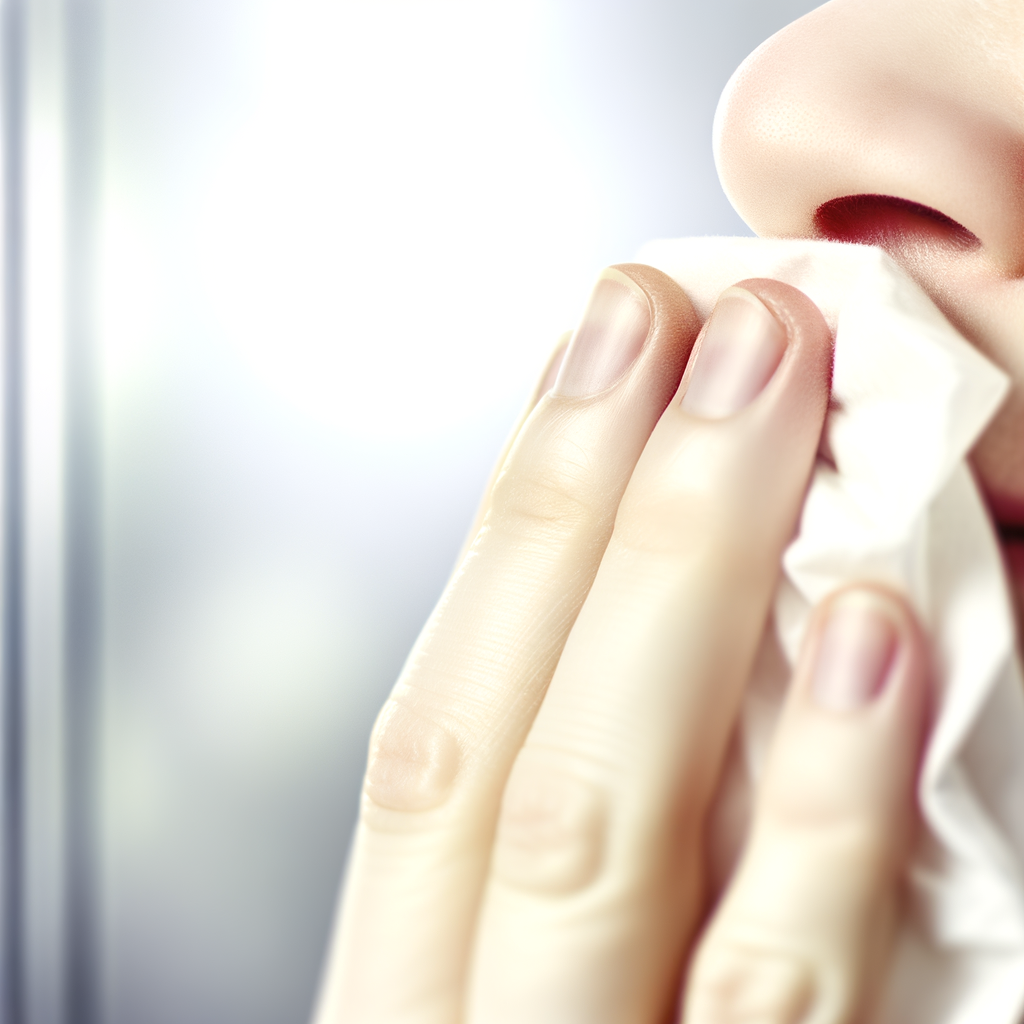
Could a seemingly harmless habit like nose-picking have deeper health implications? According to a 2022 study conducted on mice, the answer might be yes. Researchers from Griffith University in Australia have uncovered a surprising potential link between nose-picking and an increased risk of developing Alzheimer’s disease. While the study was conducted on animals and comes with several caveats, the findings offer intriguing insights into how certain behaviors might influence brain health and open new avenues for understanding the causes of dementia.

At the heart of the research is a bacterium known as Chlamydia pneumoniae, which is already known to infect humans and cause respiratory illnesses like pneumonia. What caught the attention of scientists is that this bacterium has also been found in the majority of human brains affected by late-onset dementia. This overlap led the team to explore how the bacteria might reach the brain and what effects it might trigger once there.

In the study, mice were exposed to the bacteria through their nasal passages. The researchers observed that the bacteria could travel up the olfactory nerve, which connects the nasal cavity directly to the brain. When the thin tissue lining the nasal cavity—called the nasal epithelium—was damaged, the infection worsened. This is where the connection to nose-picking becomes relevant. Damaging this protective tissue, whether through picking or plucking nose hairs, may provide bacteria with easier access to the brain.
Once the bacteria reached the brain, the mice began to show an increase in amyloid-beta protein deposits. These proteins are known to form plaques in the brains of people with Alzheimer’s disease. While amyloid-beta is thought to be released as part of the immune system’s response to infection, its accumulation is one of the defining characteristics of Alzheimer’s. The speed at which the bacteria took hold was also notable—within just 24 to 72 hours, signs of infection and protein buildup appeared in the brain tissue.
Lead researcher James St John described the findings as potentially alarming. “We're the first to show that Chlamydia pneumoniae can go directly up the nose and into the brain where it can set off pathologies that look like Alzheimer's disease,” he said. “We saw this happen in a mouse model, and the evidence is potentially scary for humans as well.”
It’s important to note that while the study provides compelling evidence in a controlled lab setting, it does not confirm that the same process occurs in humans. The researchers themselves emphasized this point, stating that further studies involving people are necessary to determine whether the same pathway operates in the same way. Still, the presence of these bacteria in human brains with dementia suggests that the connection deserves closer scrutiny.
I found this detail striking: the notion that a common act like nose-picking—something done by as many as 90 percent of people—could potentially have such serious consequences. While the habit is often dismissed as harmless or merely unhygienic, this research suggests it could have implications for long-term brain health, particularly if it leads to damage in the nasal cavity.
In addition to nose-picking, the researchers also cautioned against plucking nose hairs, which can similarly harm the nasal epithelium. Preserving the integrity of this protective tissue may be more important than previously recognized. The team plans to explore whether the increased amyloid-beta deposits seen in the mice are a reversible immune response or a more permanent change that contributes to neurodegeneration.
Alzheimer’s disease remains one of the most complex and least understood conditions in medicine. While age is the most well-known risk factor, researchers are increasingly looking at environmental and biological contributors, including infections. “Once you get over 65 years old, your risk factor goes right up, but we're looking at other causes as well, because it's not just age—it is environmental exposure as well,” said St John. “And we think that bacteria and viruses are critical.”
Though the findings are preliminary, they highlight a potentially overlooked pathway by which harmful microbes might reach the brain. The nose, often considered a simple entry point for air, may also serve as a direct route for infections to infiltrate the central nervous system. This raises broader questions about how everyday behaviors and exposures might influence our neurological health over time.
Future studies in humans are planned, and until those results are available, the researchers recommend exercising caution. Avoiding behaviors that could damage the nasal lining might be a small but meaningful step in protecting brain health. While more evidence is needed before making definitive claims, this line of research adds a valuable piece to the puzzle of Alzheimer’s disease and underscores the importance of investigating all potential contributing factors.