
National Animal Shelter & Rescue Appreciation Week Support A Shelter Today!
Deion Sanders’ Daughter Shelomi Shares How Other Athletes Helped Her Feel Less Alone With Diabetes
Guest Contributor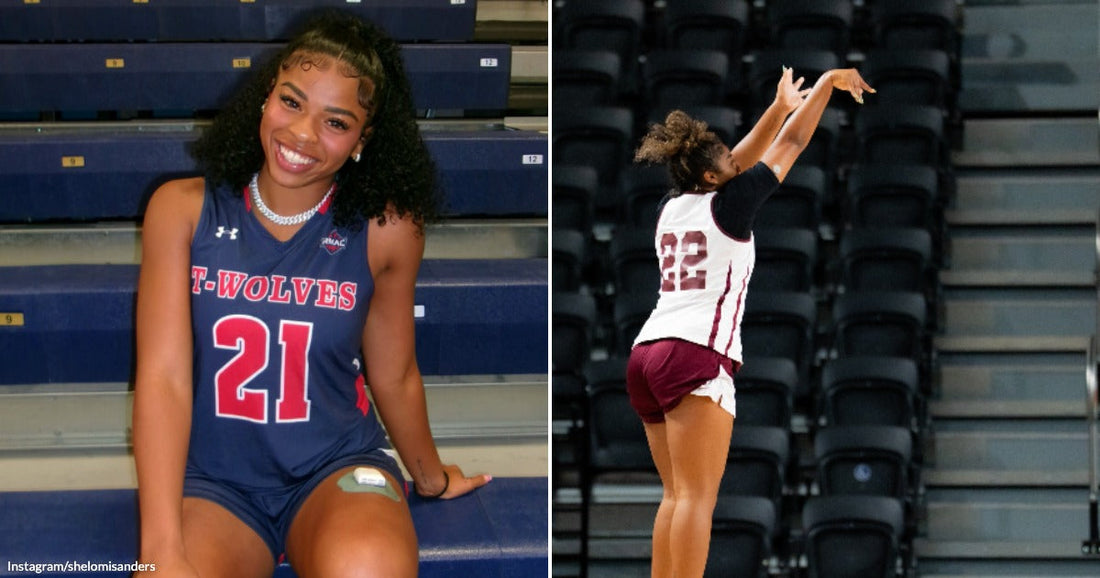
When people hear the name Sanders, they usually think of highlight reels, end zone dances and “Prime Time” swagger. Yet behind the bright lights, Deion Sanders’ youngest daughter, Shelomi, is quietly building a legacy of her own. She is not only carving out her path as a college basketball guard, she is also living and competing with Type 1 diabetes and using her platform to show that a chronic condition does not have to limit big dreams.
Her diagnosis came at 13, at a time when she was spending hours in the gym working out with her dad. The weight loss seemed like the natural result of training, and she remembers thinking her hard work with “Prime Time” was paying off. At the same time, she was unusually thirsty and constantly tired, signs that her mother recognized as possible warning flags. One night, feeling sick, she tried her dad’s go to solution of taking Nyquil and resting. She immediately threw it up and was rushed to the emergency room, where doctors found that her blood sugar levels were dangerously high. That night changed everything.

Instagram/shelomisanders
Like many newly diagnosed teens, Sanders entered what is often called the “honeymoon phase.” Physically, her levels seemed relatively stable and life felt almost normal, yet everyone around her knew she could not keep living as if nothing had changed. She admits she resisted acceptance at first. The pamphlets, support groups and resources offered to her felt more like reminders of a label she did not want. She felt embarrassed and weighed down by stereotypes and misconceptions surrounding diabetes. Even now, she acknowledges that those old narratives sometimes echo in her mind.
Type 1 diabetes, as explained in reports from the Centers for Disease Control and Prevention and the American Diabetes Association, occurs when the immune system mistakenly attacks the beta cells in the pancreas that produce insulin. Without insulin, blood glucose cannot move efficiently into cells, which forces people with Type 1 to manage their blood sugar carefully every day. More than 2 million people in the United States live with Type 1 diabetes, and for athletes, the condition can add layers of planning and responsibility to every practice, workout and game.

Instagram/shelomisanders
For Sanders, those layers show up in subtle but significant ways. She has learned her body’s tells. When her blood sugar runs high, she gets headaches and feels irritable. High days are not just numbers on a screen. They can alter her mood and energy, which is a real factor when you are expected to perform at a collegiate level. She has reached the point where she can say to those around her, “I’m a little bit moody right now. My levels are high. Just leave me alone,” and know that her inner circle understands what that means.
What has helped her reach that point is community. Sanders is part of Dexcom U, a name, image, and likeness program created by Dexcom for college athletes with diabetes. Through it she connects with 26 other collegiate athletes who also manage Type 1. According to a recent Dexcom survey, fewer young people with Type 1 are quitting sports than in years past, and feelings of loneliness and embarrassment are starting to decline. More than 80 percent of respondents reported feeling better represented when they see people with diabetes in sports and media, and more than 90 percent found working with a diabetes mentor to be a positive experience. Sanders’ story fits neatly into that trend. She went from not wanting anyone to know she was diabetic to becoming someone younger athletes look up to.

Instagram/shelomisanders
Today, she insists that diabetes is not a weakness. In her view, it can be a source of strength. She talks about the extra responsibilities that come with managing a chronic condition. Being diagnosed at 13 forced her into a higher level of self-awareness and discipline long before many of her peers. That early responsibility, she believes, has helped her grow in other areas of life and sport. She sometimes needs to sit out briefly during a game or practice to get her levels under control, yet she sees those moments as adjustments, not limitations.
Technology plays a major role in how she manages Type 1 diabetes as an athlete. Sanders uses a Continuous Glucose Monitor that connects to her phone and Apple Watch. The data can also be shared with others. At various points, her parents and trainers have been able to see her numbers in real time and check on her safety, even while she is on the court. She jokes that she removed her mother from the follower list, but her trainers still have access. These tools give her a safety net that previous generations of athletes with diabetes simply did not have.
Her family’s support is both practical and playful. Her brother Shedeur once liked to pretend he felt sick so she would test his blood sugar. Another brother, Shilo, nicknamed her pancreas “pancakes” and teases her by saying they stopped working. Beneath the jokes is a family that takes her health seriously. She describes them as “super-duper supportive” from the beginning, making sure she is okay mentally and physically. That mix of humor and care seems to reflect the broader Sanders household dynamic.
Growing up as Deion Sanders’ daughter, though, added its own pressure. She talks openly about the “Sanders last name” carrying expectations and a certain standard. With older siblings who played college football and a father in the Pro Football Hall of Fame who also reached Major League Baseball, athletic success can feel like the family business. Yet she is determined to establish her own identity. After starting at Jackson State and then Colorado, where her father coached football, she transferred to Alabama A&M and now competes for Colorado State University Pueblo at the Division II level. She still speaks with her father regularly and hears his voice reminding her to put in extra work, but she is shaping her own path on the hardwood.
Inside the family, Deion Sanders occasionally releases power rankings of his children, a concept that might raise eyebrows outside their circle. From Shelomi’s perspective, though, it is very real and very lighthearted. She laughs about watching where she lands, joking that if she is not in the top two, she might debut her own “parent rankings.” The competitiveness that once led the kids to see who could pray the longest on the way to school now plays out in sports, careers and playful social media moments.
For young athletes living with diabetes, Sanders offers grounded advice. First, she emphasizes intention. Her brother Shedeur, now in the NFL, talks to her about how training with clear intent is different from simply going through the motions. She has taken that lesson to heart, focusing on drills that translate directly to what she sees in games. Second, she encourages athletes not to let anyone’s opinion distort how they see themselves. The presence of Type 1 diabetes does not diminish their potential or their value.
More specifically for those managing the condition, she recommends learning your body, finding a routine and being patient with the process. She has realized that eating before games or practices often causes her blood sugar to drop low, so she adjusts her routine accordingly. She encourages others to do the same sort of experimentation and observation. When numbers swing out of range, she cautions against slipping into self-blame or thinking “I’m a bad diabetic.” Good days and bad days are both part of life with Type 1. The key is to keep going, lean on community and refuse to let the condition stop you from pursuing what you love.
I found it striking how often Sanders returned to the word “strength” when describing something many see as purely a limitation. Her story does not minimize the daily work that Type 1 diabetes requires. Instead, it paints a fuller picture of what it can look like to chase high-level goals, rely on modern tools like continuous glucose monitors and build camaraderie with others facing the same challenges. For anyone who has ever wondered whether a diagnosis closes the door on their dreams, her journey suggests another view: the path may be different and more complex, yet it is still very much open.
Read more at https://www.aol.com/articles/deion-sanders-daughter-shelomi-talks-110325000.html