
Man Admits To Hitting Cat In The Face With Hammer And Goes To Jail
Guest Contributor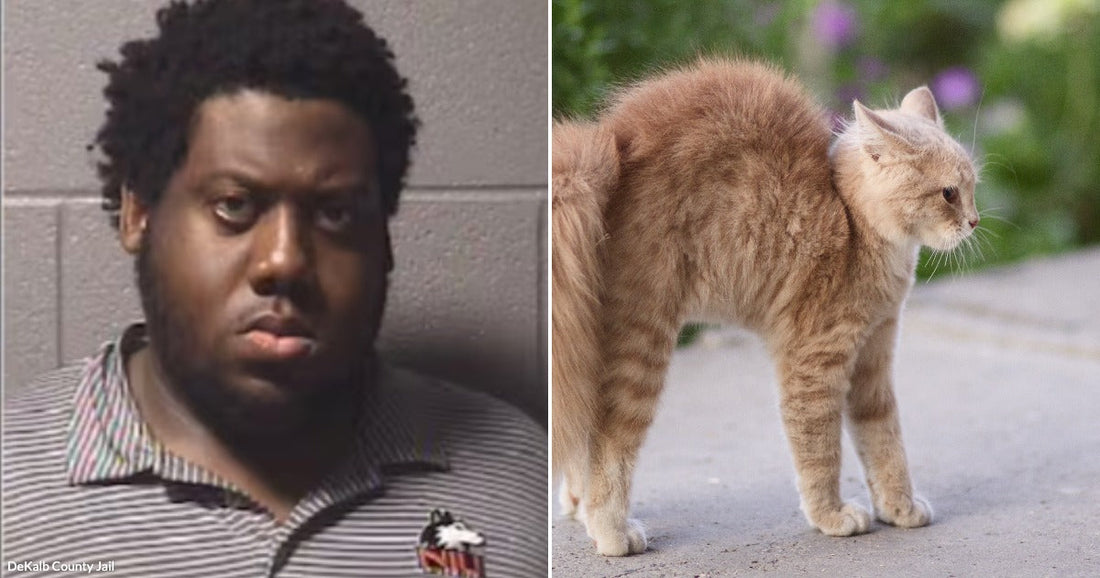
The recent sentencing of a DeKalb man who admitted to hitting a cat in the face with a hammer has drawn significant community attention, and with good reason. Cases involving aggravated cruelty to animals and domestic violence strike a deeply emotional chord and often raise difficult questions about accountability, public safety, and prevention. In this case, DeKalb County court records detail what prosecutors described as a disturbing pattern of harm involving a cat, two dogs, and other small animals, culminating in a 120 day jail sentence and mandated intervention programs.
According to DeKalb County records, 24 year old Krystopher J. Ousley of DeKalb pleaded guilty to one count of aggravated cruelty to animals, a Class 4 felony, along with two misdemeanor counts of domestic battery. The sentencing took place on March 5, 2025, before Circuit Court Judge Joseph Pedersen. Ousley was given 120 days in jail, with credit for 34 days already served. While he had originally faced additional misdemeanor charges related to animal treatment and care, the plea that led to this sentence specifically covered the felony aggravated animal cruelty count and the two domestic battery counts.

The underlying allegations that shaped this aggravated animal cruelty case are unsettling. Court records describe Ousley striking a short haired orange cat in the face with a hammer. Investigators wrote that Ousley later admitted to police that he hit the cat in an attempt to force the animal out of a bathroom. One report provided to DeKalb police included photos showing the orange cat with what officers described as a “severely bloody face.” That image, preserved in the investigative synopsis, appears to have become a key component of the case that followed.
The investigation into Ousley’s conduct did not stop with the cat. As officers pursued the animal cruelty allegations, they learned of additional concerns involving other pets in his care. Court documents report that Ousley allegedly dragged Mochi, a Shiba Inu, across cement concrete during a walk, injuring the dog’s stomach. Police also identified another dog, a Yorkshire Terrier named S’Mores, and noted that there were multiple animals in the home at the time. Although the records do not describe extensive medical details for each animal, officers said they believed the pattern of treatment warranted intervention.

On August 22, 2025, DeKalb police seized Mochi and S’Mores following their investigation. That same day, Ousley was charged with one Class 4 felony count of aggravated cruelty to animals, two misdemeanor counts of cruel treatment to animals, and three misdemeanor counts of failing his owner’s duties. The additional allegations involved neglect of multiple animals, including dogs and guinea pigs, according to the court filing. The range of charges highlights how animal cruelty laws can address both direct acts of violence and failures to provide basic care.
Roughly one month later, on September 19, 2025, a DeKalb County grand jury indicted Ousley on the felony animal cruelty charge. Under Illinois law, a Class 4 felony can carry a potential prison sentence of up to three years. The records indicate that Ousley faced that possibility as the case moved forward, with the indictment formalizing the state’s pursuit of the aggravated cruelty allegation. The eventual plea and sentencing resolved the case without a trial, but the earlier filings provide a window into the seriousness with which local authorities treated the reports.
Beyond the criminal penalties, the court imposed several conditions on Ousley that point to a broader concern about underlying behavior. As part of his sentencing order, he is required to complete a psychological evaluation before June 11, 2025. The requirement for mental health assessment suggests that the court wanted more information about what might have contributed to the violence toward animals and the domestic battery offenses. While the specific findings of any evaluation remain private, the fact that it was ordered underscores a recognition that cruelty to animals and interpersonal violence can be interconnected problems that call for more than punitive responses alone.
The court also ordered Ousley to participate in the DeKalb County Domestic Violence Offender Partner Abuse Intervention Program. These types of programs are designed to address patterns of abuse within intimate or household relationships, often focusing on accountability, understanding of harm, and behavioral change. I found this detail striking because it links animal cruelty and domestic battery within a single framework of intervention, reflecting growing awareness that violence in the home can affect both people and animals.
From a community standpoint, cases like this often lead to a mixture of anger, sadness, and relief. There is sadness at the suffering experienced by the animals involved, combined with relief that the pets were removed from the situation and placed under safer care. Many readers who follow stories of aggravated animal cruelty in Illinois may also find themselves wondering whether the sentence is sufficient or what further safeguards might be available to protect animals in the future. The article does not describe any post sentencing restrictions on future animal ownership, but the mandated evaluation and intervention program show an effort to address risk factors more comprehensively.
It is also notable how the case began: with community members speaking up. DeKalb police opened their investigation on August 13, 2025, after receiving several reports from individuals who alleged cruelty to animals in Ousley’s care. One of those reports included the photos of the injured cat that officers referenced in their court synopsis. That timeline illustrates how reporting suspected abuse can trigger official review, evidence collection, and, where appropriate, charges that bring the situation into court. For people concerned about animal welfare, it reinforces the role that observant neighbors, friends, and family can play in bringing harm to light.
The story of this DeKalb man who pleaded guilty to aggravated animal cruelty and domestic battery is grim, but it also fits within a larger context of how the legal system responds to animal abuse. When a person is sentenced to jail time for cruelty to animals and is ordered into psychological evaluation and domestic violence intervention, it reflects a view that such conduct is not an isolated issue. Instead, it is treated as part of a broader pattern that affects public safety and community well being. While the available records focus on the criminal process and do not address long term outcomes for the animals, the seizure of Mochi and S’Mores and the attention given to the injured cat suggest that, at least in this case, authorities moved to prioritize their welfare once the allegations surfaced.
Cases like this can be difficult to read, especially for animal lovers or those who have experienced domestic violence. Yet they also highlight the importance of robust animal cruelty laws, responsive local law enforcement, and court ordered interventions that look beyond punishment to the underlying causes of harm. The DeKalb case will likely not be the last time a community confronts disturbing allegations of cruelty to animals, but it stands as one example of how reports, investigations, charges, and sentencing all interact to address such behavior through the legal system. Read more at https://www.shawlocal.com