
No One Should Have to Choose Safety or Their Pet Help Build a Safe Place !
These Dogs Learn to Recognize Blood Sugar Changes Their Owners May Not Feel Coming
Guest Contributor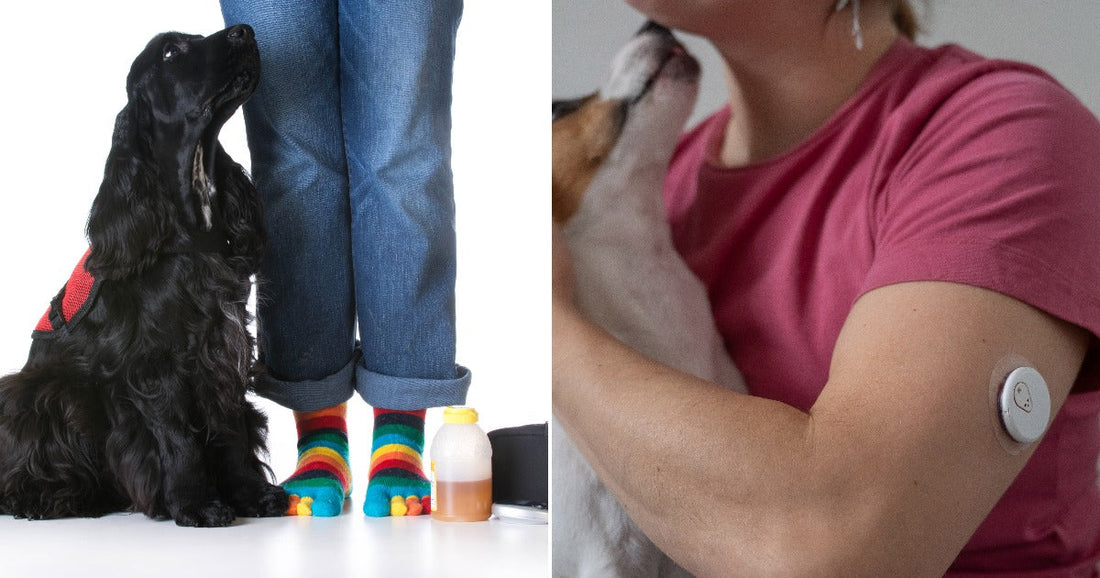
Diabetes alert dogs are quietly changing how some people live with diabetes. These specially trained service animals use their extraordinary sense of smell to detect shifts in blood sugar and can often give an alert 15 to 30 minutes before noticeable symptoms appear. For people who live with frequent blood sugar swings, hypoglycemia unawareness, or who simply want another layer of safety beyond technology, diabetes alert dogs may offer powerful support.
Often called DADs, these dogs are trained to pick up on distinct scents that accompany changes in blood sugar. When blood sugar drops, studies suggest that chemicals like isoprene increase in a person’s breath. During high blood sugar, the body may produce fruity-smelling ketones. Researchers also suspect that there are unique scent markers in saliva when glucose levels are too high, too low, or changing quickly. While science has not yet fully pinned down every compound involved, it is clear that dogs can recognize these scent patterns and respond to them in impressive ways.

A diabetes alert dog is not a replacement for traditional diabetes management tools. Continuous glucose monitors, fingerstick checks, and insulin dosing remain essential. Instead, these dogs are intended as another safeguard. For someone who does not always feel the warning signs of hypoglycemia, or a parent whose child often has nighttime lows, a dog that can notice biochemical changes early may offer added peace of mind. The dogs are trained to recognize changes in a person’s plasma and blood chemistry and to respond before those changes become dangerous.
The way a diabetes alert dog signals can be very specific and highly personalized. During training, the dog learns a particular set of behaviors to use when blood sugar goes too high, too low, or is changing quickly. These behaviors might include jumping on the owner, gently pawing at their leg or body, staring intently, poking with the nose, or holding a special toy that serves as a clear signal. Many dogs also learn additional helpful tasks. They may bring needed items such as glucose tablets or other low treatments, retrieve a cellphone, alert someone else in the home, or even trigger a special device designed to dial emergency services if necessary.

The training itself is extensive. Many diabetes alert dogs are golden retrievers, Labrador retrievers, poodles, or mixed sporting breeds since these dogs tend to have the temperament, trainability, and scenting ability suited for service work. According to the National Institute for Diabetic Alert Dogs, most service dogs are placed with their owners when the dogs are between 1 and 2 years old. Before a dog is accepted into a training program, it usually undergoes testing to confirm that it has the right disposition and a strong capacity for scent detection. Once matched with a person, the dog’s training is refined so it can recognize that individual’s unique scent markers during glucose changes.
Not everyone with diabetes needs or will benefit from a diabetes alert dog. The people most likely to find these service animals helpful are often those at higher risk of dangerous highs or lows. This might include individuals with hypoglycemia unawareness who do not feel typical low blood sugar symptoms, people who take insulin by injection or pump, and those who have frequent episodes of low blood sugar. Children who need frequent nighttime checks and college students or adults who live alone may also find that a trained dog provides important support and an extra sense of security.

Research on diabetes alert dogs is still evolving, and the findings so far are mixed. Some studies, including work published in 2019, show that diabetes alert dogs can detect meaningful changes in their owner’s health and alter their behavior in response. People who work closely with these dogs report that they often sense glucose swings and give early warning before a dangerous high or low fully develops. An older study from the American Diabetes Association found several reported benefits among people who had a diabetes alert dog. Many respondents described decreased worry about both hypoglycemia and hyperglycemia, improved quality of life, and a better ability to participate in physical activities.
At the same time, more recent research from 2024 highlights a key challenge. Training standards are not uniform. Not all programs train dogs in exactly the same way or with the same level of rigor. This means that while some dogs are highly accurate and consistent, others may not respond as reliably. That variation makes it even more important for potential owners to carefully research any organization they consider. I found this detail striking because it emphasizes that while the concept of a diabetes alert dog is very promising, outcomes depend heavily on where the dog is trained and how the person and dog learn to work together over time.
Cost is another significant factor. A fully trained diabetes alert dog can be a major financial investment. A legitimate service dog of any kind may cost more than $10,000 or $15,000. The organization Dogs 4 Diabetics estimates that breeding, raising, and training one diabetes alert dog can cost around $35,000. The most expensive option is usually purchasing a dog that has already gone through most of its training. Even in that case, the new owner still needs to dedicate time and effort to teach the dog to recognize and respond to their specific scent and routines.
Some nonprofit organizations provide diabetes alert dogs at low cost or, in some cases, free of charge. However, these programs often have long waiting lists due to high demand and the complexity of training each dog. Insurance coverage varies. Some insurance providers may help offset certain costs associated with a diabetes service dog, but this is not guaranteed and generally does not cover ongoing care. Owners are typically responsible for pet health insurance for the dog, routine veterinary care, food, and all other day to day expenses.
For people considering this path, taking the time to investigate reputable programs is essential. National and international organizations that certify or accredit assistance dog providers, such as Assistance Dogs International, can be a starting point for finding recognized programs in a particular area. Endocrinologists and diabetes care teams may also know of reliable local or regional training centers. Many service dog organizations share their application processes online. Applicants are commonly asked for medical history, letters of reference, and personal information such as age and address. After that, the selection and matching process can take time and usually involves multiple meetings to ensure that the dog and person are a good fit before the dog is trained specifically for that person’s scent and lifestyle.
Choosing to work with a diabetes alert dog is both a financial and emotional commitment that ideally lasts a decade or more. These dogs are companions as well as service animals. They can offer another layer of protection for people at risk of sudden highs or lows, but they are not a cure and they do not replace established tools like continuous glucose monitors. For those willing and able to invest the necessary time, effort, and resources, a well trained diabetes alert dog may provide practical support and a measure of confidence in managing everyday life with diabetes. Read more at https://www.healthline.com/health/diabetes/diabetes-alert-dogs