
🚨Urgent: Missile Strikes Shelter in Ukraine! Rush Emergency Aid!
Discover the Power of Purslane: A Nutrient-Rich Superfood Weed to Harvest
Guest Contributor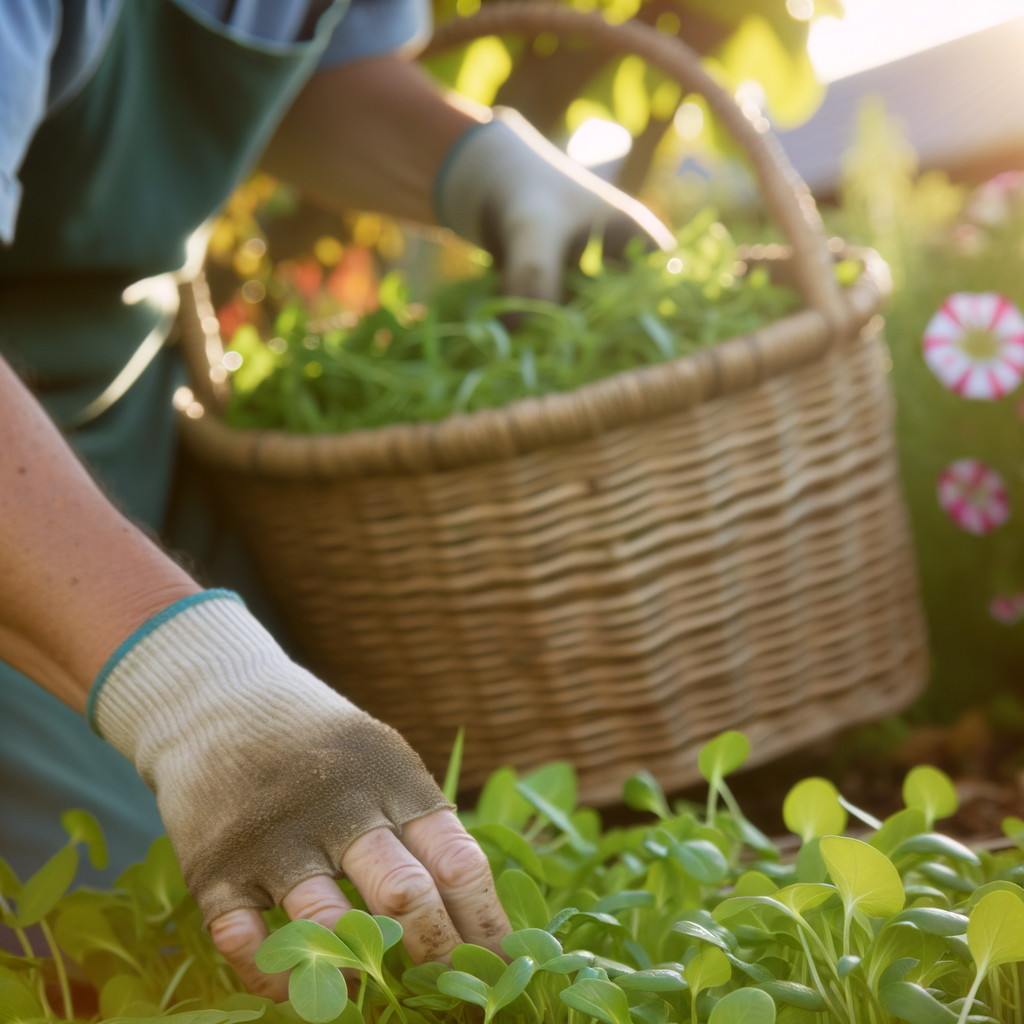
Weeding the garden is often seen as a tedious but necessary task. After all, who wants unwanted plants competing with carefully cultivated vegetables and flowers? But what if one of those so-called weeds was actually a nutritional powerhouse hiding in plain sight? One such plant, purslane, is gaining attention not for its persistence in gardens, but for its surprising health benefits and culinary potential. This common backyard weed might just be the superfood you didn’t know you needed.

Purslane is a succulent weed that grows freely across the United States. Originally brought from India, it has adapted well to various climates and often appears uninvited in lawns, gardens, and even sidewalk cracks. While many people instinctively pull it out and discard it, experts suggest giving this plant a second look. Rich in essential nutrients and easy to incorporate into meals, purslane offers a compelling case for harvesting rather than removing it.
One of the most striking features of purslane is its nutritional profile. According to the original article, this plant contains more nutrients than many of the greens commonly found in the average diet. It boasts seven times the beta-carotene of carrots, six times more vitamin E than spinach, and an impressive fourteen times more Omega-3 fatty acids. These compounds are known to support heart health, reduce inflammation, and contribute to overall wellness. I found this detail striking—few would expect such a humble plant to outperform traditional vegetables so significantly.
In addition to its vitamin and mineral content, purslane is particularly high in calcium and iron, two minerals essential for maintaining strong bones and preventing anemia. Its robust seed structure allows it to regenerate and thrive for up to 25 years, a testament to its resilience and vitality. This longevity also suggests that once established, purslane could be a sustainable addition to a home garden with minimal maintenance.
The health benefits associated with purslane extend beyond basic nutrition. The article notes that its nutrient density may help prevent chronic conditions such as cancer, stroke, and heart disease. There are also indications that it may support better sleep, offering relief to those suffering from insomnia. Furthermore, some sources suggest it could play a role in reducing the risk of developmental disorders in children, including autism and ADHD. While more scientific research may be needed to fully understand these claims, the potential is certainly worth exploring.
From a culinary perspective, purslane is both versatile and flavorful. It has a lemony taste and a pleasant, crispy texture, making it a natural fit for salads and other fresh dishes. It is already a staple in many Mediterranean and Mexican cuisines, where it is appreciated not only for its taste but also for its health-promoting properties. For those looking to diversify their diet with local, nutrient-rich foods, purslane offers an easy and accessible option.
Harvesting purslane is straightforward. Since it grows abundantly and with little encouragement, gardeners may find they already have a steady supply. The plant should be collected before it begins to encroach on other vegetables or ornamental plants. Once harvested, it can be used as a substitute for more familiar leafy greens or added to dishes to boost nutritional value. With its pleasant flavor and crunchy texture, it integrates seamlessly into a variety of recipes.
Reframing weeding as harvesting can also change the way people approach garden maintenance. Instead of seeing purslane as a nuisance, it can be viewed as a bonus crop—one that requires no planting or special care. This shift in perspective not only enhances the gardening experience but also contributes to a more sustainable and health-conscious lifestyle.
Given its impressive list of benefits, it’s easy to see why some are calling purslane a “miracle weed.” Its ability to thrive in diverse environments, combined with its rich nutritional profile and culinary flexibility, makes it a valuable addition to any garden. For those interested in natural health remedies, sustainable eating, or simply making the most of what nature offers, purslane is worth a closer look.
As awareness grows about the potential of this unassuming plant, more people may find themselves rethinking their approach to weeds. Instead of reaching for the gardening gloves and pulling it out, consider letting purslane flourish. It may become not only a favorite ingredient but also a small step toward better health and well-being.
Whether you’re a seasoned gardener or just starting out, keeping an eye out for purslane could add unexpected value to your outdoor space. With its combination of health benefits, ease of growth, and culinary appeal, this common weed might just be one of nature’s best-kept secrets.