
Dog Spends Days Trapped in a Cactus Patch With Painful Spines Covering His Body
Guest Contributor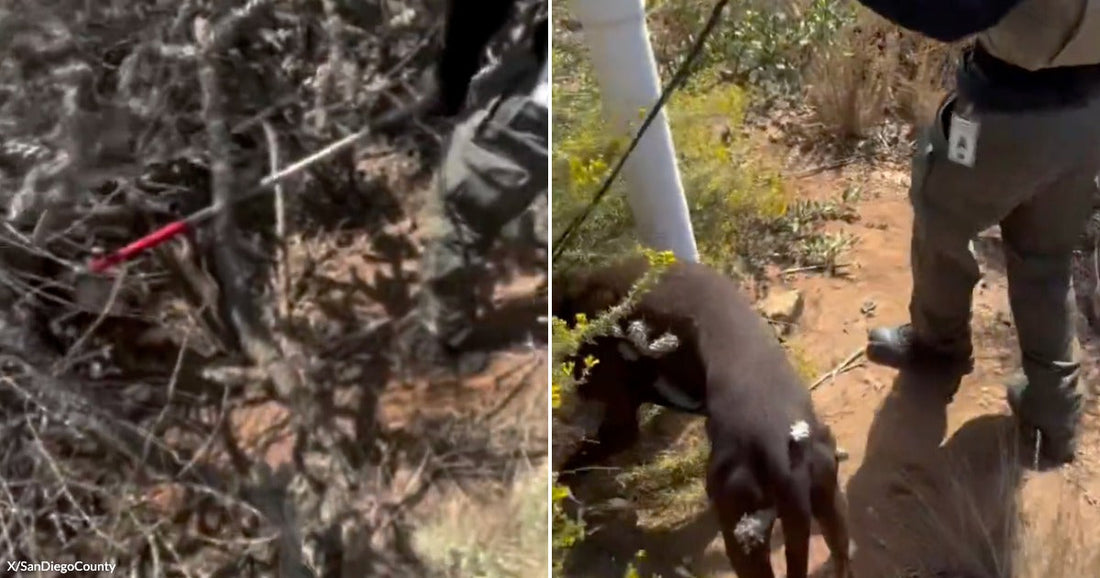
In Bonita, California, a remarkable act of compassion unfolded when San Diego County Animal Services officers rescued a dog trapped in a dense cactus patch. The animal was found covered in cactus spines from head to toe, a painful and frightening situation that could have easily turned tragic. This story of a cactus patch rescue shines a light on the courage of animal control officers and the resilience of the animals they serve.
According to county officials, the incident began when the dog was discovered stuck deep within a thick patch of cactus. Reaching him was not a simple task. One officer and a trainee chose to wade straight into the tangle of thorns, pushing past sharp needles that scraped and pierced as they moved. Rather than attempting to coax the animal out from a safe distance, they moved right alongside him, sharing the same harsh environment to guide him to safety.

The officers’ willingness to endure the cactus thorns alongside the trapped dog speaks volumes about the dedication behind animal control work. It can be easy to imagine animal control as routine patrols and paperwork, yet stories like this reveal a much more hands-on reality. Officers face unpredictable circumstances, from frightened animals in distress to difficult and occasionally hazardous environments. In this case, that meant pushing through a living wall of spines to reach a vulnerable animal that could not help himself.
Once freed from the cactus patch, the dog was immediately transported to the South County Animal Shelter in Bonita for emergency medical assessment. There was no delay between the field rescue and professional veterinary attention, a crucial step when an animal has experienced prolonged pain, dehydration, or exposure. At the shelter, veterinary staff began the delicate process of removing the cactus spines that covered the dog’s body and even his mouth.

X/SanDiegoCounty
The methodical removal of those spines required time, patience, and careful handling. Every embedded thorn represented a potential site of infection and a reminder of the suffering the dog had endured. Despite the intensity of the treatment, staff members reported that the dog remained gentle and well behaved throughout the process. That detail, in particular, stands out: even in severe discomfort and likely confusion, the animal responded with trust rather than aggression.
Veterinary staff confirmed that the dog had probably gone several days without food or water before being found. Going that long without basic necessities can severely weaken an animal, especially when combined with physical trauma. The environment of a cactus patch is unforgiving, with limited shelter and a constant risk of further injury. Knowing this, the timing of the discovery and rescue becomes even more significant. Without intervention, the outcome could have been very different.

X/SanDiegoCounty
At the shelter, the dog now rests comfortably, receiving ongoing veterinary care, nutrition, and monitoring. His treatment includes not only the immediate removal of the cactus spines but also continued observation to ensure that no complications arise. Dehydration, infections, and lingering pain all require attention over time. The shelter staff’s ongoing commitment demonstrates how animal welfare extends well beyond a single dramatic moment of rescue into the quieter, sustained work of healing.
Stories like this one also highlight the broader role of local shelters and animal control officers in community life. While the most visible moments may involve dramatic rescues or viral photos, day-to-day operations are built on steady, compassionate care. Animal officers respond to calls involving lost, injured, or neglected animals. Veterinary teams at shelters provide essential medical services, from emergency care to routine procedures, creating a safety net for animals that have no one else to advocate for them.
I found the description of the dog’s demeanor during treatment particularly striking. Even with cactus spines lodged across his body and inside his mouth, he remained calm and cooperative, according to shelter staff. That kind of resilience often becomes a quiet inspiration. It shows how animals can endure hardship and still respond positively when kindness is offered. It also serves as a reminder of the responsibility humans share in ensuring that such kindness is available when it is needed most.
This rescue also underscores the value of training and teamwork. The county noted that the rescue involved an experienced officer working alongside a trainee. In a physically challenging situation, the trainee was not kept on the sidelines but joined the effort, learning firsthand what it means to intervene decisively on behalf of an animal in need. Such experiences help shape future officers, reinforcing a culture of courage, empathy, and practical skill.
For community members, hearing about a dog trapped in a cactus patch and then safely rescued can deepen appreciation for local services that often operate out of the spotlight. It can encourage people to support shelters, whether by adopting animals, volunteering, or sharing information so that more residents understand how and where to seek help for animals in distress. The fact that this story has been shared through local news and social channels makes it easier for the public to witness the impact of their animal services department.
The image of officers pushing through a sea of needles to reach a frightened dog is not only dramatic but emblematic. It captures how animal rescue work often requires stepping into uncomfortable, even painful situations to protect those without a voice. The outcome in Bonita is a hopeful one. A trapped, dehydrated dog is now safe, cared for, and recovering, thanks to people who were willing to prioritize his wellbeing despite the personal discomfort involved.
As the dog continues to recuperate at the South County Animal Shelter, his story stands as a testament to both human dedication and animal resilience. From the moment he was discovered deep inside that cactus patch to his current rest under careful monitoring, every step reflects a web of coordinated care. In a world often filled with difficult headlines, the account of this cactus patch rescue offers a clear, grounded example of compassion in action. Read more at https://www.nbcsandiego.com/news/local/animal-officers-rescue-dog-trapped-in-bonita-cactus-patch/4075553/