
Doug Hegdahl’s Courageous Vietnam War POW Story and Prison Intelligence
Guest Contributor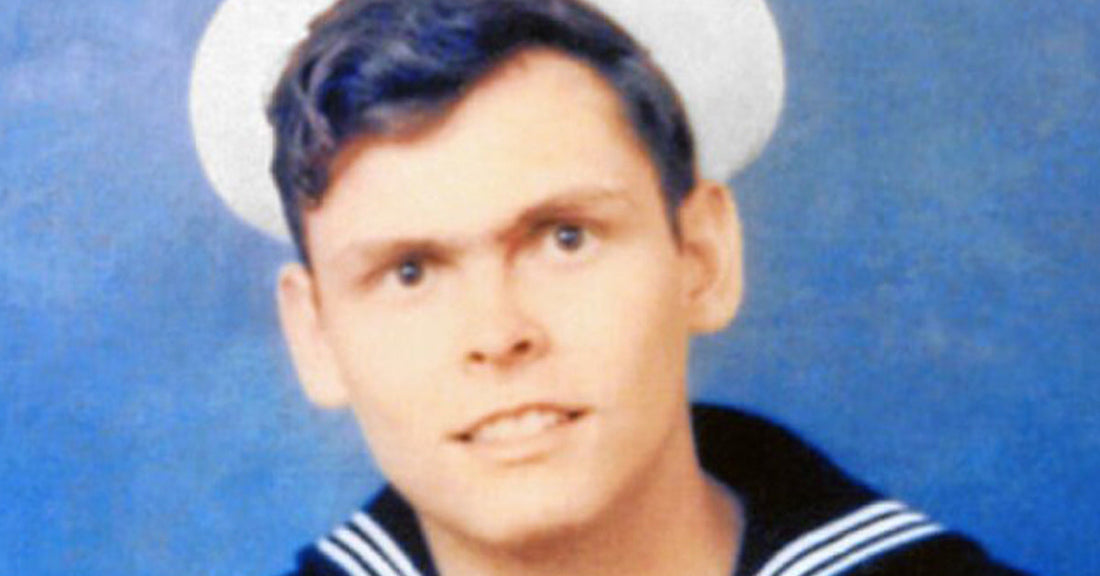
In the annals of Vietnam War history, few stories are as quietly astonishing as that of Doug Hegdahl, a young U.S. Navy sailor who turned an apparent misstep into a masterclass in subterfuge. Captured in 1967 and imprisoned at the infamous Hỏa Lò Prison—better known as the "Hanoi Hilton"—Hegdahl pretended to be illiterate and intellectually limited. This clever act disarmed his captors and allowed him to gather critical intelligence, sabotage enemy equipment, and memorize the identities of 256 fellow prisoners of war. His story is a testament to resilience, resourcefulness, and the unexpected ways in which courage can manifest.

Doug Hegdahl’s journey into captivity began on April 6, 1967, when he was swept overboard from the USS Canberra in the Gulf of Tonkin. The circumstances remain unclear—some say a gun blast knocked him over, others suggest he simply lost his footing. After spending 12 hours adrift, Hegdahl was picked up by a local fishing boat and handed over to North Vietnamese forces. From there, he was taken to Hỏa Lò Prison, where his captors initially suspected him of being a CIA spy. His story of falling off a ship seemed too implausible to be true.

Rather than resist or attempt escape, Hegdahl adopted a different strategy. When asked to write an anti-American propaganda statement, he agreed—but pretended to be unable to read or write. He spoke in a deliberately unsophisticated manner and drew comparisons between Vietnamese farms and his native South Dakota. The captors, convinced of his supposed ignorance, dubbed him “the incredibly stupid one” and assigned him to sweep the prison grounds. This role gave him far more freedom than most prisoners and allowed him to observe, communicate, and even sabotage without raising suspicion.
Over the next two years, Hegdahl used his sweeping duties to pass messages between prisoners and gather information. In a particularly daring act, he disabled five North Vietnamese trucks by placing dirt and debris in their gas tanks. Lieutenant Commander Richard "Dick" Stratton, a fellow prisoner, later noted the irony: Hegdahl, a high school graduate who had fallen off a ship, had more enemy trucks to his credit than many decorated pilots.
One of Hegdahl’s most remarkable contributions came through his memory. With the help of Air Force Lieutenant Joseph Crecca, he memorized the names and personal details of 256 fellow POWs. He did this by setting the information to the tune of “Old McDonald,” transforming what could have been an overwhelming task into a mnemonic masterpiece. This list would later become a vital tool for the U.S. government and a source of immense relief for the families of those imprisoned.
In 1969, Hegdahl was offered early release by the North Vietnamese. Typically, POWs had agreed not to accept such offers unless all prisoners were freed, to avoid being used for propaganda. However, Hegdahl’s superiors urged him to take the offer so he could deliver the intelligence he had collected. He agreed, not yet fully aware of the impact his information would have.
Upon his return to the United States, Hegdahl recited the names of all 256 POWs and described the brutal conditions inside Hỏa Lò Prison. His testimony enabled the U.S. military to reclassify 63 missing service members as prisoners of war, providing long-awaited answers to their families. According to former Deputy Assistant Secretary of Defense Roger Shields, the list also allowed U.S. officials to hold North Vietnam accountable for the well-being of specific individuals, a diplomatic shift that increased pressure on the regime to improve treatment of prisoners.
Perhaps most significantly, Hegdahl’s account helped expose the harsh realities of life inside the Hanoi Hilton. International attention to these abuses likely contributed to improved conditions and may have saved lives. I found this detail particularly striking—how one man’s decision to feign incompetence became a lifeline for so many others.
After his honorable discharge in 1970, Hegdahl went on to teach at the U.S. military’s Survival, Evasion, Resistance and Escape school in San Diego, sharing the lessons he had learned through experience. He retired in 2001 and has since kept a low profile, his extraordinary acts of bravery largely unsung outside military circles.
Doug Hegdahl’s story is a powerful reminder that heroism doesn’t always look like what we expect. Sometimes, it wears the mask of humility, speaks in a quiet voice, and walks with a broom in hand—while changing the course of lives behind the scenes.