
Two Women Face Animal Cruelty Charges After Dozens Of Dead Horses Found
Guest Contributor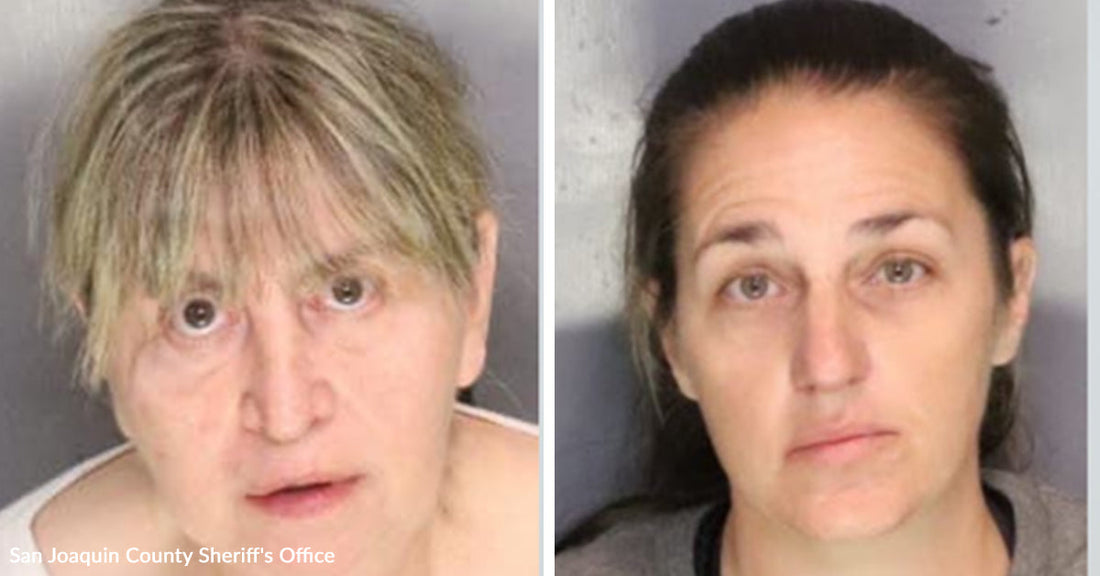
The recent arrests tied to dozens of dead horses on San Joaquin County properties paint a deeply troubling picture of alleged long-term neglect and cruelty. In a months-long investigation into animal cruelty, authorities say they uncovered conditions that led to the deaths of scores of horses and the suffering of many more. Cases of severe animal cruelty in California are always difficult to read about, and this one stands out for both its scale and the number of different species affected.
According to the San Joaquin County Sheriff’s Office, deputies served a search warrant in January at multiple properties in the Clements area. What they reported finding was heartbreaking. Dozens of dead and malnourished animals were discovered, including 53 dead horses. For anyone who has spent time around horses, the idea of that many animals dying in one cluster of properties under alleged neglect is especially stark.

Authorities say that not all of the animals on the properties had died, and they moved quickly to intervene. The sheriff’s office reported that 90 other horses were rescued from the locations. Some of those rescued animals, however, were in such poor condition that they could not be saved. Thirteen horses had to be euthanized, a decision that typically reflects a degree of suffering that veterinarians deem impossible to reverse in a humane way. Among other rescued animals, officials listed five donkeys and three alpacas. A donkey and a bull were also euthanized, suggesting that problems at these properties extended beyond just the horses.
Animal cruelty charges, particularly involving large animals like horses, often involve a combination of neglect, failure to provide adequate food or water, and unsafe or unsanitary conditions. While the full details of this case will likely emerge in court, the numbers alone tell a grim story. The scale of the response, including the seizure and rescue of close to a hundred horses, underlines just how serious investigators believe the situation to have been.
At the time authorities first entered the properties in January, they arrested 62-year-old Jan Johnson. According to the sheriff’s office, Johnson appears to own the farms where the animals were found. Public records and statements from prosecutors indicate she is not unfamiliar with the legal system. More than a decade ago, she reached a plea deal related to financial elder abuse. That prior legal history, though unrelated to animal welfare, illustrates how complex and varied some individuals’ interactions with the justice system can become over time.
After the January search, Johnson posted bail and was later arraigned in February, but not on animal cruelty charges at that stage. Instead, the San Joaquin County District Attorney reported that she faced felony counts for threatening a public official and making criminal threats. The animal cruelty investigation continued in the background while those separate felony charges moved forward. The intersection of alleged threats against officials with a large-scale animal cruelty investigation gives the broader situation an additional layer of seriousness.
On Thursday, Sheriff Patrick Withrow announced a significant development in what has become a closely watched case in the region. He stated that Johnson had been arrested again on Wednesday evening. This time the charges directly addressed the treatment of the animals on her properties. According to the sheriff, Johnson now faces 20 felony counts and 16 misdemeanor counts of animal cruelty. She also faces one misdemeanor count of cockfighting and three firearms-related felony charges. When prosecutors decide to file that many counts, it typically reflects both the number of individual animals involved and the severity of the alleged conduct.
The inclusion of a misdemeanor cockfighting charge suggests that investigators believe there was more going on at these farms than poor care of large animals alone. Cockfighting is illegal and widely condemned for its inherent cruelty to animals forced to fight. Added to that are three firearms-related felony charges, which further broaden the scope of the case. While the specifics of those firearms counts have not been detailed in the reporting provided, their presence points to potential safety or legality issues that extend beyond animal treatment.
Sheriff Withrow also named another individual in connection with the investigation. He announced that Justine Fitzhenry was arrested on Wednesday as well. According to the sheriff, Fitzhenry faces three counts of animal cruelty, one misdemeanor count of animal cruelty, and one misdemeanor count of cockfighting. Her charges are fewer in number than Johnson’s, but they still represent a serious response from law enforcement to alleged involvement in cruelty to animals.
After the announcement of these new charges, the San Joaquin County District Attorney’s Office confirmed that formal charges had been filed. The suspects are expected to be arraigned on June 6, a step that will begin the next phase of the legal process, where both sides present evidence in court. Bail amounts reflect the severity of the allegations. Johnson’s bail has been set at $500,000, while Fitzhenry’s has been set at $100,000. High bail is often used when courts believe the allegations are serious and want to ensure that defendants appear for future proceedings.
From an animal welfare perspective, this case has already had a lasting impact. The rescue of 90 horses, along with donkeys and alpacas, likely involved local shelters, veterinarians, and rescue organizations working together to stabilize, feed, and rehabilitate the animals. Large animal rescues require significant resources, from feed and medical care to secure housing and transport. While the article does not detail the ongoing care of these animals, it is clear that the community and authorities have had to mobilize quickly in response to the situation discovered in January.
On a broader level, cases like this highlight the importance of community awareness and reporting. Often, large-scale neglect or cruelty is uncovered only after neighbors, visitors, or workers raise concerns with authorities. When the number of animals involved reaches the dozens, as with the dead horses in San Joaquin County, it suggests that problems may have developed over an extended period. Investigations like this one show how law enforcement and prosecutors can respond when they believe a pattern of cruelty has crossed legal lines.
I found this detail striking: the combination of so many dead and malnourished horses with additional charges of cockfighting and firearms violations creates a portrait of a situation that allegedly placed both animals and possibly people at risk. While the legal system will determine guilt or innocence, the facts reported so far offer a sobering reminder that animal cruelty can take many forms and can exist in complex environments where multiple laws are at issue.
As the case moves toward arraignment and eventual court proceedings, many in San Joaquin County and beyond will likely be watching for updates. For those who value animal welfare, there is a natural desire to see accountability when animals suffer on such a large scale. At the same time, the legal process is designed to weigh evidence carefully and to provide defendants with the opportunity to respond to the allegations. Whatever the outcome, the discovery of dozens of dead horses and the rescue of so many others has already left a deep mark on the local community and stands as a reminder of the critical role law enforcement can play when serious concerns about animal treatment come to light.