
Floodwaters Cut Off a 38 Year Old Chimp Until Sanctuary Staff Send Food and Blankets by Drone
Guest Contributor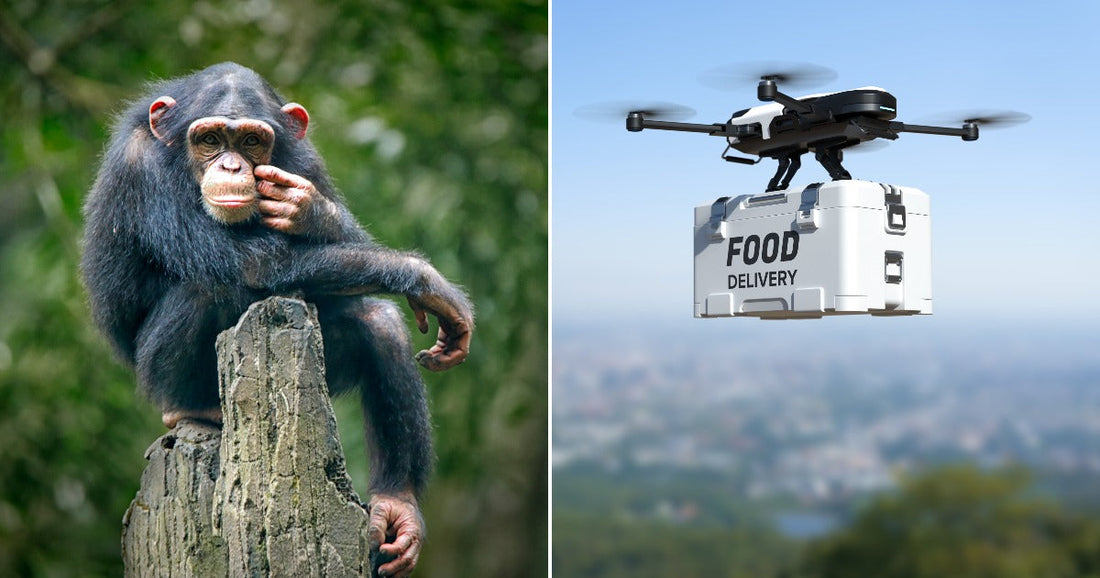
In a week of intense flooding across parts of Florida, one chimpanzee sanctuary found a creative way to keep its residents safe and fed. At Save the Chimps, a well known Florida chimpanzee sanctuary near Fort Pierce, staff turned to a delivery drone to feed a stranded ape when rising water swallowed their usual access roads. The image of a chimp calmly eating a drone-delivered banana in the middle of a flood offers an unexpected glimpse of resilience, ingenuity, and the everyday heroics of animal care behind the scenes.
The sanctuary, which spans about 150 acres, is home to roughly 200 chimpanzees who once lived in research laboratories, the pet trade, or the entertainment industry. As rainstorms soaked southeast and central Florida from Sunday through Tuesday, canals overflowed and water spread across the property. According to CEO Ana Paula Tavares, the chimp care houses are located on higher ground, and they held firm as the floodwaters rose. Veterinarians and other team members stayed overnight on site to make sure the animals’ routines and care needs were met, even as access to the sanctuary became more complicated.

In normal conditions, staff at Save the Chimps use internal roads and golf carts to deliver about 3,000 pounds of food per day. This steady flow of produce and prepared meals supports a large community of apes with varying health needs and preferences. Once the rains turned roads into waterways, those simple daily routes disappeared. Facilities director Mark Yohannan explained that canals overflowed and submerged the internal roads, instantly transforming what is usually a carefully managed, accessible space into a landscape of flooded pathways and isolated pockets of dry land.
The team did have a partial backup plan. A high clearance swamp buggy allowed staff to cross the water and shuttle supplies for a while. Yet even that specialized vehicle eventually broke down. It is easy to imagine the moment when staff realized that their most dependable tools would not be enough. Despite the obstacles, the priority remained clear: every chimp had to receive food, medicine, and comfort items on time.

Amid this scramble, one chimp in particular became the focus of a very unusual logistical challenge. A 38 year old male named Kaleb had remained in an outdoor area that became cut off as waters rose and spread. The area itself was not unsafe for him, but human caregivers could no longer reach him using their normal routes and vehicles. Rather than risk moving him through deeper water or leaving him without his usual deliveries, staff turned to a piece of equipment they had purchased earlier for exactly this type of scenario.
The organization had previously invested in a delivery drone to support operations during emergencies. When the flood arrived, that planning paid off. Staff used the drone to bring Kaleb food and blankets while he remained in his isolated space. Video captured by the sanctuary showed him retrieving a paper bag dropped from the drone and calmly munching on a banana. Later, he was seen carefully crossing a rope that spanned a stretch of standing water, heading toward a more accessible area on his own terms rather than under pressure.

I found this detail striking because it highlights how much thought has gone into balancing safety, autonomy, and care. The staff did not rush to force Kaleb into a stressful move. Instead, they chose a solution that met his immediate needs and allowed him to make his own way when he was ready. The use of a drone to deliver an ape’s food during Florida floods might sound almost cinematic, yet here it appears simply as one more tool in a carefully designed care toolkit.
While Kaleb’s situation was the most dramatic example, the rest of the chimpanzees still needed their daily routines maintained. With golf carts sidelined and the swamp buggy out of commission, staff turned to trucks, including a maintenance worker’s personal vehicle, and a tractor to keep meals, medications, and other supplies moving. Yohannan said that the chimpanzees continued to receive their bananas, oranges, and other foods on time, describing them as “good” and unfazed by the disruption swirling around them.

The floods did more than interfere with human transportation. Local wildlife also took advantage of the expanded waterways. Yohannan described a small alligator appearing near the sanctuary’s kitchen, likely using the floodwater to reach an area it would not normally access. Encounters like this serve as a reminder that sanctuaries exist within broader ecosystems, and extreme weather can shift boundaries in unexpected ways. Thankfully, there was no indication that this surprise visitor caused harm.
By Saturday, there were signs of improvement. The water level had dropped noticeably overnight, and about 20 percent of the property’s roads were reported to be clear. Even so, widespread flooding across the region made it hard for employees to get to work and relieve colleagues who had been on site through the storms. Yohannan noted that although the team was tired, spirits remained excellent, underscoring the commitment that keeps a large sanctuary functioning even when nature tests every plan.
This episode also had a financial and structural impact. Floodwaters affected buildings, equipment, and internal infrastructure that support daily operations. Save the Chimps appealed to the public for help repairing what had been damaged. The organization shared that one donor had stepped forward to match such contributions, doubling the impact of any community support. This type of assistance does more than fix roads and replace machines. It sustains the promise the sanctuary has made to nearly 350 chimps over its history, providing a stable, caring environment after years spent in laboratories, private homes, or entertainment venues.
Stories like these highlight how climate and extreme weather events increasingly intersect with animal welfare. A Florida chimpanzee sanctuary might not be what comes to mind when people think of flood preparedness, yet this situation illustrates how detailed planning, creative tools like drones, and dedicated on site teams all contribute to resilience. In a matter of days, staff adapted from using golf carts on dry roads to tractors, personal trucks, and airborne deliveries, all while keeping a large community of apes on schedule with their meals and medications.
The image of Kaleb eating a drone delivered banana while standing above floodwater captures more than a viral moment. It reflects years of planning, a deep sense of responsibility from caregivers, and the quiet trust that develops when animals know their needs will be met even when conditions change. As the water continues to recede and repairs begin, the sanctuary’s experience may inspire other facilities to think creatively about emergency tools and protocols, whether that means investing in technology or strengthening community support networks before the next storm arrives.