
A Neighborhood Feud Allegedly Ended With A Child’s Cat Being Killed
Guest Contributor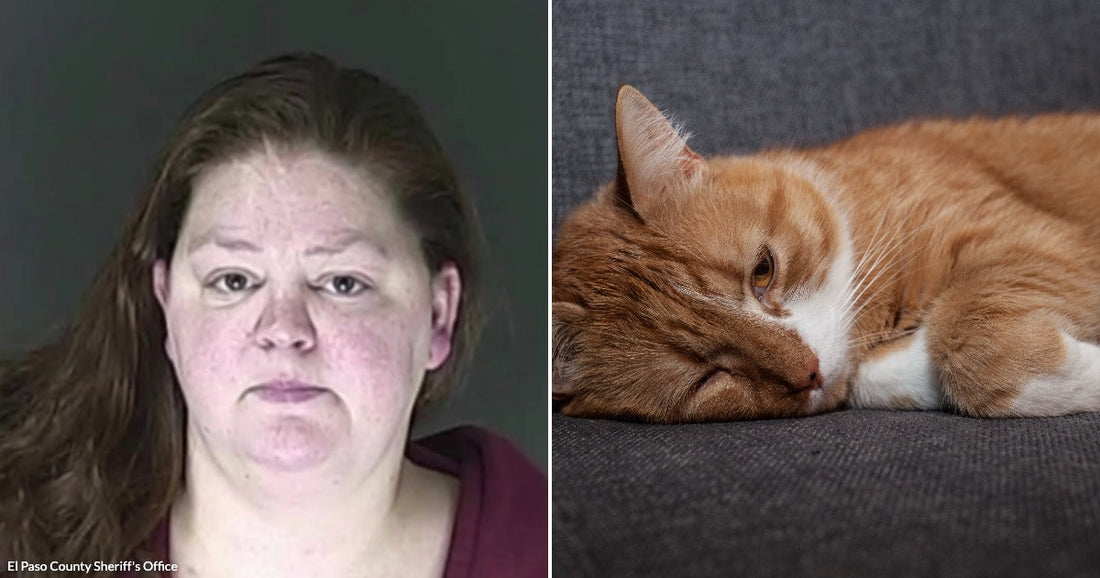
The report of a woman in El Paso County accused of feeding a neighbor’s cat to her dogs is difficult to read and even harder to fully comprehend. As the story has been described, this is not only an allegation of aggravated cruelty to animals, but also the culmination of a long and bitter neighbor dispute. Cases like this do not just involve one injured family and one accused person. They ripple outward through an entire community, raising questions about conflict, responsibility, and how far tensions can escalate when they are left unresolved. For anyone concerned about animal cruelty and neighborhood safety, this story stands out as both deeply unsettling and deeply important.
According to court records cited by KRDO13, the accused woman, identified as Ashley Losey, is facing a felony animal cruelty charge following the death of her neighbor’s cat. The neighbor, Lindsey Hodges Hough, reports that the conflict between the two households did not appear suddenly. Instead, she describes it as a four year series of ongoing disputes that grew severe enough to prompt her to install cameras around her home. Those cameras would later become central to what investigators say they observed.

The cat at the center of this case was named Toby and belonged to Hodges Hough’s 15 year old son. Toby was reportedly outside the home when the events unfolded. Arrest records obtained by KRDO13 claim that surveillance footage shows Losey tossing Toby into her backyard where her dogs were present. That single act, captured on video according to the documents, transformed what might have remained a tense neighbor dispute into a potential felony case of aggravated cruelty to animals.
Hodges Hough shared that she struggles to speak about what happened, describing the act as cruel and painful even to recount. The documentation referenced in the report indicates that the cat tried to run after being thrown into the yard, only to be chased by the dogs. In that detail alone is a vivid image of panic and suffering, which understandably left the family distraught. The parents explained to KRDO13 that they are devastated by the loss of their cat, particularly given that Toby belonged to their teenage son. The emotional damage in such a situation is not abstract. For many families, a companion animal is a beloved member of the household, not simply a pet.

El Paso County Sheriff's Office
The neighbors also raised broader concerns about the safety of other animals in the area. Hodges Hough pointed out that there are other animals in the neighborhood that roam, as well as dogs that sometimes get out of yards. In her account, nothing like this had happened before. To her, what set this incident apart was that someone allegedly captured an animal and then physically gave it to their own animals, which she described as utterly shocking. That distinction is important because it highlights why the case is being treated not as an accident, but as an alleged deliberate act that could fit the legal definition of aggravated cruelty to animals.
Legal context matters here. Losey has reportedly been arrested and now faces a class 4 felony charge of aggravated cruelty to animals. In many jurisdictions, such a charge is reserved for situations where serious harm is intentionally inflicted upon an animal. While the final determination will rest with the courts, the charge itself indicates that authorities are treating the allegations with the utmost seriousness. This is not being framed as a minor dispute or a misunderstanding. It is being handled within the criminal justice system as a grave act, subject to significant consequences if proven.
Stories like this tend to resonate far beyond one neighborhood because they combine two powerful issues in public life. On one side is animal cruelty, which many people consider a clear moral line that should never be crossed. On the other side are neighbor disputes, which are common, often prolonged, and sometimes deeply emotional. Many people have experienced misunderstandings or conflicts with neighbors over noise, boundaries, pets, or property. Yet this case underscores how critical it is to handle those conflicts before they deteriorate into hostility that can cause serious harm to people or animals.
One striking element of the report is the role of surveillance cameras. Hodges Hough explained that she installed cameras around her home due to the ongoing tensions and concerns about what might happen. Those cameras are now central to the allegations in the arrest records. Modern technology has increasingly become part of how disputes are documented and resolved, from doorbell cameras to backyard security systems. In this instance, the surveillance footage is not just a deterrent or a private record. According to investigators, it is a key piece of evidence in a felony animal cruelty case.
At the same time, the emotional core of the story remains a grieving family and a lost cat. Toby was not merely a neighborhood animal, but a companion to a teenager who now has to cope with the reality that his pet reportedly died in a violent way. For families who entrust their animals to the relative safety of their own yards and neighborhoods, this type of incident challenges assumptions about security and trust. It also reinforces the broader message that cruelty to animals, particularly when intentional, is recognized by many communities and legal systems as a serious crime, not a minor matter.
There is also the larger, quiet question of how neighborhood relations might be improved to avoid such outcomes. While the article does not provide details on the origin of the four year dispute or any attempts at mediation, the timeline suggests that this was not an isolated flash of anger. Long running conflict can harden perceptions on both sides, making it more difficult to see each other as neighbors with shared interests, such as safety, respect, and a peaceful environment. When that erosion of trust converges with easy access to recording devices, pets, and stressful situations, the risk of something going terribly wrong may increase.
For local residents following this story, it will likely remain on their minds as the legal process unfolds. Questions about how the case will be prosecuted, what evidence will be presented, and what consequences might result are all part of the public interest in felony animal cruelty cases. Beyond the courtroom, however, there is a quieter reflection about what it means to live side by side in a community and how to respond when disagreements emerge. This incident illustrates in painful detail how the breakdown of neighborly relations and respect for animals can converge with devastating results.
The KRDO13 report encourages readers to stay updated through its app, highlighting that this story is part of a larger stream of local news, sports, and investigative reporting. Incidents like this often spur conversations about local ordinances, animal welfare resources, and what steps neighbors can take if they feel unsafe or harassed. While not every dispute will or should involve law enforcement, the alleged killing of a cat in this manner has clearly crossed a line that brought investigators and the courts into the situation.
In the end, the story of Toby, the neighborhood cat, and the felony charge against a neighbor in El Paso County is a somber reminder of the responsibilities people have toward both the animals in their care and the people who live nearby. It is a story of grief, anger, and the heavy weight of an allegation that a beloved pet was intentionally placed in harm’s way. For many readers, it reinforces the importance of treating animals with compassion and handling conflicts before they escalate into tragedies that leave lasting scars on families and communities alike.