
Dog Was Locked Inside a Crate When Man Allegedly Gunned It Down
Guest Contributor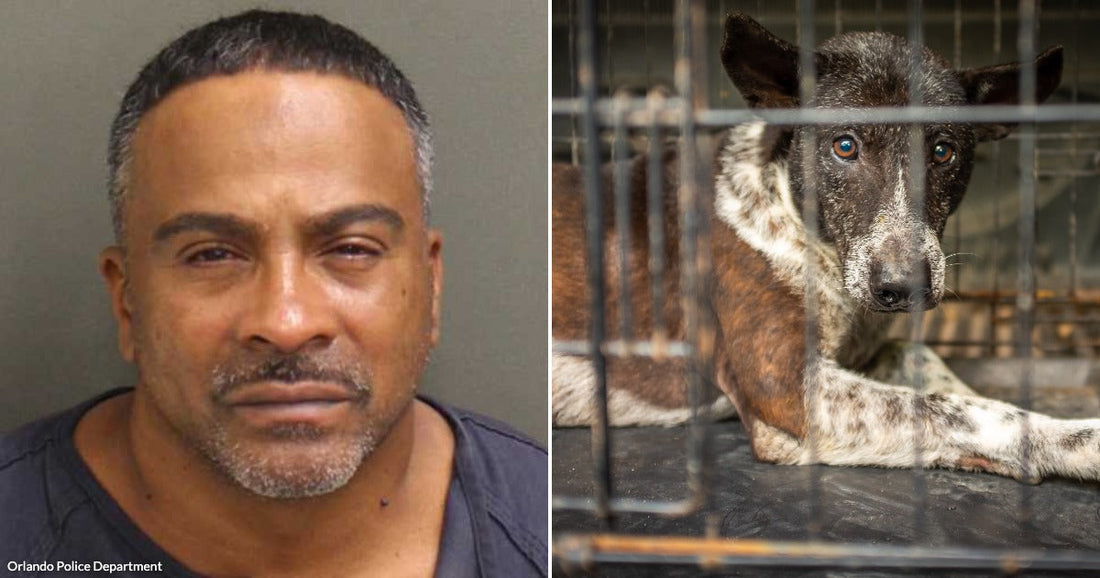
The recent report of a man who admitted to shooting and killing a family dog in Orlando is deeply troubling and highlights how quickly a household conflict can escalate into a criminal case. According to police, 55-year-old Miguel Bonilla faces several serious charges, including aggravated animal cruelty causing excessive pain or death, shooting into a building, tampering with or fabricating physical evidence, and criminal mischief. This story of a family dog shot in its crate is painful to read, and it invites sober reflection on responsibility, anger, and the duty of care owed to animals in the home.
Investigators responded around 10 p.m. Wednesday to the 6700 block of Lake Carlisle Boulevard, where they found a brown dog dead in a cage with a gunshot wound to the head. The details in the arrest affidavit suggest that events unfolded quickly and under emotionally charged circumstances. Earlier that evening, one of the family’s dogs had reportedly bitten a six-year-old relative, and a woman at the home had just returned from the hospital when the situation took a darker turn.

According to the affidavit, the woman told police she had been outside walking one of the dogs when she saw her uncle, identified as Bonilla, enter the residence. Shortly after he went inside, she heard a gunshot. When she reentered the home, she said Bonilla told her “it’s a mess” and instructed her to go to her room. She also reported seeing the dog bloodied and limping. While in her room, she said she then heard a second gunshot from elsewhere in the home.
What happened next is described in stark terms. The same woman told officers that Bonilla walked in carrying a plastic garbage bag, and she said she thought there might be a gun inside. This detail, as recorded in the affidavit, paints a disturbing picture of how the family dog’s final moments may have unfolded. The animal, confined to a crate and already injured, appears to have had no chance to escape or be removed from the situation in a nonviolent way.

Another family member added further context in statements to police. A second woman reported that her brother-in-law had called her “crying on the phone” and told her that he had killed the dog. She recalled him saying “he killed him. He put two in him,” according to the affidavit. These reported phone conversations suggest that the shooting was not a matter of ambiguous circumstances but a deliberate act that the caller openly admitted in the moment.
When officers later made contact with Bonilla at a different address on Biscotti Avenue, authorities say he admitted to shooting the dog. Police also report that he stated he had discarded the bag, spent casings, and firearm. However, he declined to tell investigators from whom he obtained the weapon or to whom he might have returned it. That refusal to provide more information about the firearm is part of why the case extends beyond animal cruelty into potential concerns about gun access and evidence handling.
One of the most compelling pieces of the narrative comes from surveillance video provided by the homeowner at the Lake Carlisle Boulevard address. According to the arrest affidavit, the footage shows a male carrying a white bag over his left hand, walking to the dog’s cage, pointing the bag at it, and firing two shots. This visual record, as described, appears to match the statements given by family members and supports the charges that Bonilla intentionally shot the dog while it was trapped inside the crate.
The charges listed against Bonilla are significant and reflect the seriousness with which state law treats both animal cruelty and gun-related offenses. Aggravated animal cruelty causing excessive pain or death recognizes that companion animals are not property in a purely material sense, but living beings under human care. The additional charge of shooting at, within, or into a building underscores the risk to everyone present in the home, especially when children are involved. Tampering with or fabricating evidence, as alleged through the disposal of the bag, casings, and firearm, points to an attempt to obstruct the investigation rather than cooperate fully with authorities.
In cases like this, it can be tempting to speculate about motives or family dynamics, especially when there was a reported dog bite to a young child earlier in the evening. Yet the information made available focuses on what investigators have documented so far: a sequence of events in which a frightened or angry response to a bite reportedly turned into the fatal shooting of a confined animal. While concerns about safety after a bite are understandable, legal and humane options exist, including contacting animal control or consulting a veterinary professional. The allegations here describe a choice to respond with lethal force instead.
Animal cruelty charges, particularly those involving the killing of a pet, often resonate strongly in communities. Companion animals occupy a special place in many households, and a “family dog in Orlando” described in news coverage is not an abstract figure but a living being that shared a home, routines, and relationships with the people involved. The image of a dog shot in its crate leaves a lasting emotional impression and raises questions about how families handle stress, conflict, and fear.
I found it striking that the affidavit mentions multiple voices: the woman who had been at the hospital, the relative who received the emotional phone call, the homeowner who turned over surveillance footage, and the officers who documented what they saw on the scene. Together, these perspectives provide a fuller picture of what occurred without resorting to speculation. They highlight how one person’s actions can ripple through an entire family and community.
Bonilla was booked into the Orange County jail early Thursday morning and, at the time of the report, was being held without bond. The legal process will determine how the charges of aggravated animal cruelty, criminal mischief at or above $1,000, and the firearm-related offenses are resolved. For observers, the story serves as a sobering reminder of the responsibility that comes with gun ownership, the importance of de-escalation in emotionally charged moments, and the obligation to treat animals in our care with basic compassion, even when circumstances are difficult.
As this case moves forward, it will likely continue to draw attention from those who care about animal welfare, community safety, and justice. Whatever the eventual legal outcome, the loss of the dog and the trauma experienced by the child, the relatives, and even the alleged shooter himself cannot easily be undone. Stories like this invite reflection on how families can better prepare for emergencies, seek help when conflicts arise, and choose solutions that protect both people and animals from preventable harm.