
Be A Hero & Support Those Who Served This Veterans Day Give Today!
FDA Requires New GLP-1 Drug Warnings About a Potential Risk of Rare but Permanent Vision Loss
Guest Contributor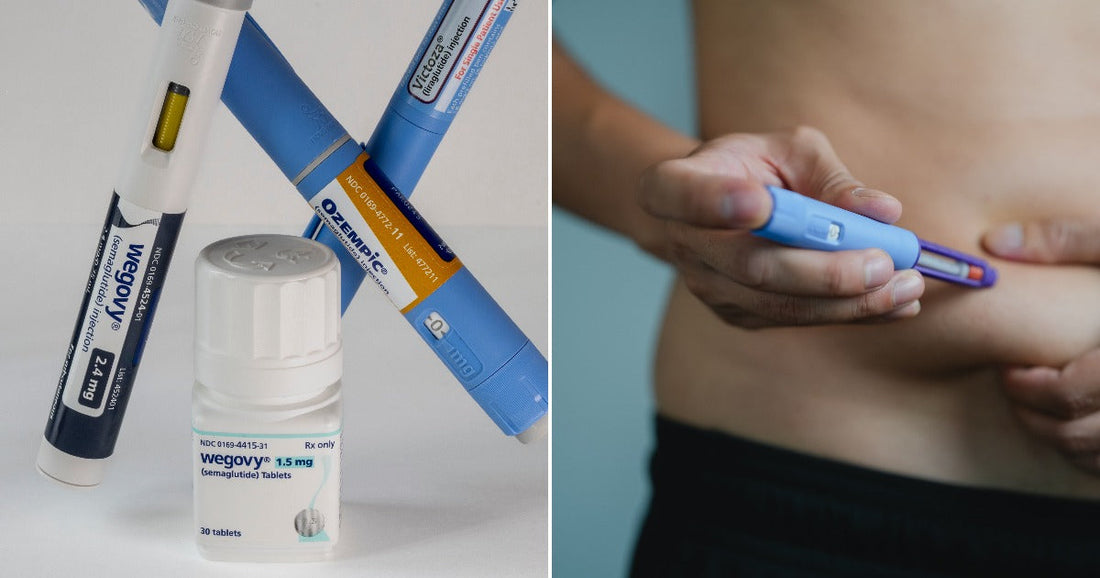
The FDA has issued an important new Drug Safety Communication that affects every glucagon-like peptide-1 receptor agonist, or GLP-1 RA, on the market. These medications, which include widely used products such as semaglutide, tirzepatide, dulaglutide, and liraglutide, will now carry updated warnings about a potential increased risk of a rare eye condition known as non-arteritic anterior ischemic optic neuropathy, or NAION. For anyone involved with diabetes care, obesity management, or pharmacy practice, this class-wide GLP-1 RA labeling change is a development worth careful attention.
NAION is a rare but serious optic nerve condition that can lead to sudden, painless vision loss in one eye. The loss may be partial or permanent, and patients might notice symptoms such as blind spots, tunnel vision, color distortion, or hazy central vision. The FDA’s new requirement adds this potential NAION risk to the Warnings and Precautions section for all GLP-1 RA products, not just one or two drugs. This means clinicians and patients will see a consistent message across the class, from injectable agents such as liraglutide and dulaglutide to oral semaglutide and even newer therapies like orforglipron.

The scope of products affected underscores how central GLP-1 RAs have become in modern care. According to the FDA communication, labeling changes will apply to exenatide, liraglutide, liraglutide plus insulin degludec, dulaglutide, lixisenatide plus insulin glargine, semaglutide in all its marketed forms, tirzepatide, and orforglipron. Although the original Byetta new drug application has been withdrawn, generic exenatide versions are still available and fall under the new warning. Reports of NAION have occurred with all currently marketed GLP-1 RA products, which is why the agency chose a class-wide approach rather than singling out one medication.
The FDA did not make this decision based on a single study or anecdotal reports. The agency’s review began after a retrospective cohort study published in JAMA Ophthalmology in 2024 suggested an association between semaglutide and NAION. In that study, which focused on patients seen by neuro-ophthalmologists at a single academic center, investigators reported a higher risk of NAION among patients using semaglutide compared with those taking non-GLP-1 RA medications. The increased risk was reported both in individuals with type 2 diabetes and in those who were overweight or had obesity. The FDA recognized that the study had limitations, yet it raised enough concern to justify a deeper evaluation across the entire drug class.

To gain a broader view, the agency carried out a meta-analysis of 126 randomized controlled trials covering GLP-1 RA development programs. This large dataset included more than 134,000 patients and close to 289,000 person-years of exposure. Within that extensive pool, the FDA identified 15 probable NAION events. Ten occurred in patients treated with GLP-1 RAs and five in patients receiving placebo. None were detected in participants who were taking other glucose-lowering medications. When expressed as incidence rates, this translated to 6.4 NAION cases per 100,000 person-years among GLP-1 RA users and 3.8 per 100,000 person-years among those on comparators.
The small number of cases means that the absolute risk remains low and the estimates are imprecise, which the FDA openly acknowledges. The agency also reviewed animal data and did not identify a clear biological mechanism to explain how GLP-1 receptor agonists might directly increase NAION risk. That lack of a mechanistic explanation is part of why the FDA refers to the risk as “potential” rather than definitive. At the same time, in a setting where vision loss is involved and signals appear consistently across different types of evidence, regulators often favor caution.

Beyond clinical trials, the FDA turned to its Sentinel Real-World Evidence Data Enterprise to understand how NAION appears in everyday practice. In a retrospective cohort study of adults with type 2 diabetes who started a GLP-1 RA, an SGLT-2 inhibitor, or a DPP-4 inhibitor between 2019 and 2024, NAION incidence ranged from 30 to 32 events per 100,000 person-years among GLP-1 RA users, 31 events per 100,000 person-years among SGLT-2 inhibitor users, and 26 events per 100,000 person-years among DPP-4 inhibitor users. Statistically, GLP-1 RAs did not show a significantly higher risk compared with SGLT-2 inhibitors, although there was a higher risk signal compared with DPP-4 inhibitors.
The FDA notes that other methodologically rigorous observational studies have also pointed toward an increased NAION risk in people with type 2 diabetes who start GLP-1 RAs relative to those who begin DPP-4 or SGLT-2 inhibitor therapy. At the same time, interpreting adverse event reports in this area is difficult because many key NAION risk factors are already common in the populations that use GLP-1 RAs. Age over 50, diabetes itself, high blood pressure, smoking, sleep apnea, anemia, and kidney disease can all contribute to NAION risk. In the broader adult population older than 50, published data suggest NAION occurs in about 2.3 to 10.2 people per 100,000 per year, even without medication influences.
Against this backdrop, the FDA’s focus is on early recognition and rapid response. For health care professionals, the agency advises prompt counseling so patients know what to watch for and when to seek help. Sudden onset of painless decreased vision in one eye, the appearance of blind spots, tunnel vision, changes in color perception, or blurry or hazy central vision should all prompt immediate contact with a clinician. Patients who describe these symptoms should be referred urgently to an ophthalmologist for evaluation of possible NAION.
In terms of treatment decisions, the FDA recommends that clinicians consider discontinuing the GLP-1 RA in patients who develop NAION unless the benefits of the drug clearly outweigh the risk of continuing. People who have a history of NAION already face a higher risk of recurrence, so extra caution is warranted in this group. These points translate very directly into everyday pharmacy and clinic workflows. Pharmacists are in a position to ask about any prior history of NAION when initiating a GLP-1 RA and to reinforce the new warning each time a prescription is filled or a patient switches from one GLP-1 RA to another.
Counseling that highlights modifiable risk factors can also be helpful. Although the FDA’s communication centers on medication labeling, the overlapping risks of smoking, uncontrolled hypertension, and unmanaged sleep apnea are clinically important in their own right. Patients may appreciate understanding that some of the same steps that protect their cardiovascular health and diabetes control can also reduce their baseline risk of eye complications. Clear explanations about the rarity of NAION, balanced with the seriousness of sudden vision changes, can support informed, confident decision making rather than alarm.
The new class-wide GLP-1 RA labeling changes for potential NAION risk do not signal that these medications are unsafe overall. Instead, they reflect an evolving evidence base and a commitment to making sure patients and professionals have the information needed to respond quickly if rare problems arise. GLP-1 RAs remain key therapies for many individuals with type 2 diabetes and obesity, but they now carry an additional point of vigilance. By recognizing symptoms early, referring promptly to eye specialists, and weighing treatment benefits and risks on an individual basis, the health care community can integrate this new safety information into practice while preserving the substantial advantages these drugs offer.