
💜 Thanksgiving Food Drive for Shelter Pets Help Us Feed 1 Million Shelter Pets!
Florida Sea Turtle Nesting Season Sets Loggerhead and Leatherback Nest Records
Guest Contributor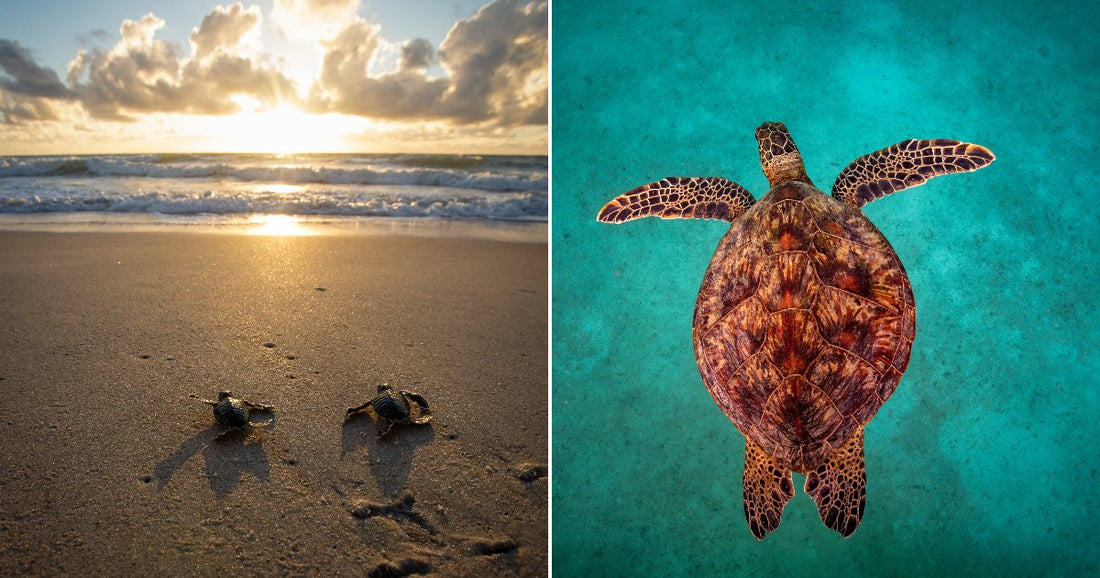
Florida’s coastlines are closing out another sea turtle nesting season, and the early numbers suggest it has been a historic one. According to new data from the Florida Fish and Wildlife Conservation Commission, the 2026 season may have set two statewide records for sea turtle nests. For anyone who follows marine wildlife or cares about ocean conservation, it is encouraging to see such strong signs of activity during this year’s sea turtle nesting season in Florida.
As the season winds down, wildlife experts are reporting that Loggerhead turtles appear to have had an especially successful year. The number of Loggerhead nests documented across the state reached 136,743. That figure is already being celebrated because it surpasses the previous record of 134,93 nests recorded in 2023. While the earlier nesting record was significant at the time, these new numbers suggest that 2026 has raised the bar even further for this iconic species that so many Floridians and visitors recognize along the state’s beaches.

The story does not stop with Loggerheads. Leatherback turtles, which are among the most distinctive and largest sea turtles, also seem to have had a standout season. The number of leatherback nests documented statewide reached 2,270. Wildlife officials note that this figure still needs to be fully reviewed and confirmed as part of the data verification process. If the count holds, it would mark a new statewide record for leatherback nesting as well. Even with that caveat, having such a high preliminary count hints at a year of remarkable nesting activity for these critically important marine reptiles.
Sea turtle nesting season in Florida generally runs from March to October, a long stretch of months when beaches transform into vital nurseries for these animals. Although the season officially begins in early spring, most nests along the Sunshine State’s coastlines begin to appear in greater numbers in May. By late summer and into early fall, many of those nests will have hatched, sending hatchlings on their journey from sand to sea. This natural cycle unfolds every year, yet record-setting seasons remind people how much is at stake along these stretches of sand that might otherwise seem quiet and ordinary.

The figures from this season come from surveys conducted under the guidance of the Florida Fish and Wildlife Conservation Commission. On Florida’s Gulf Coast, crews such as those from the Clearwater Marine Aquarium routinely patrol and survey sea turtle nests in areas like Pinellas County, carefully documenting nest locations and counts. These teams move along the shoreline in the early morning, often before most beachgoers arrive for the day. Their observations help build the statewide picture that later reveals trends in sea turtle nesting, including years like 2026 that appear to break records.
I found it striking that two major species, Loggerheads and leatherbacks, are both showing potential record numbers in the same season. Loggerheads are already closely associated with Florida’s beaches, while leatherbacks are known for their long migrations and impressive size. Seeing strong nesting numbers for both suggests a season that stands out even in a state that is accustomed to seeing large numbers of sea turtles come ashore. At the same time, it highlights how essential ongoing monitoring efforts are, since these numbers only become visible thanks to consistent, careful data collection.
Florida’s sea turtle nesting season is also a reminder of how human activity intersects with wildlife. The months between March and October coincide with a busy tourism period in many coastal communities. Beaches that are popular with visitors are also critical nesting habitat. Although the source material focuses on the nesting numbers themselves, the very existence of systematic surveys and seasonal guidelines on many beaches reflects a broader understanding that people share these spaces with vulnerable species. Simple steps such as keeping lights low at night, avoiding marked nesting areas, and leaving the beach free of obstacles can make a real difference to turtles trying to nest or hatchlings trying to reach the water.
The preliminary record for Loggerhead nests offers one clear example of how careful documentation can capture long term change. The 2023 season already held the record with 134,93 nests. Only three years later, Florida has likely surpassed that number with 136,743 nests. While the numerical increase might appear modest at first glance, setting a new record at all is noteworthy in a world where many wildlife populations face mounting pressures from habitat loss, climate shifts, and human disturbance. The fact that the count has ticked upward suggests that ongoing protection and monitoring are having a measurable effect on nesting success, at least in the short term.
The leatherback numbers tell a similar story, although with a different scale. A total of 2,270 leatherback nests has been documented statewide, subject to final data review. Leatherbacks do not nest in the same numbers as Loggerheads, so every nest is especially significant. Even a few additional nests can represent an important gain for the species. If this figure is confirmed during the review process, it will stand as a new statewide record, signaling a season that may be particularly important for the long term outlook of leatherbacks in Florida waters.
Sea turtle nesting seasons do not always follow a straight upward or downward trend. Some years are stronger, others weaker. Weather patterns, ocean conditions, and shifting currents can all influence when and where turtles choose to nest. That is why multi year records matter so much. When agencies like the Florida Fish and Wildlife Conservation Commission report on nesting data, they are not just tallying numbers for curiosity. They are building a living archive of information that can guide conservation strategies, inform local beach management, and help scientists spot changes that might otherwise go unnoticed.
As this 2026 nesting season comes to an end, the emerging picture is one of cautious optimism. The likely records for Loggerhead and leatherback nests showcase what can happen when a state takes a long term view of wildlife protection and invests in monitoring and research. For residents and visitors, it is a quiet success story that unfolds mostly in the early morning hours along the shoreline. The sand may look undisturbed to a casual observer, but beneath its surface are the traces of one of nature’s most enduring rituals and, this year, a pair of potential milestones for Florida’s sea turtles.