
Sheriff Calls Case 'Really Horrific' As Dogs Receive Care
Guest Contributor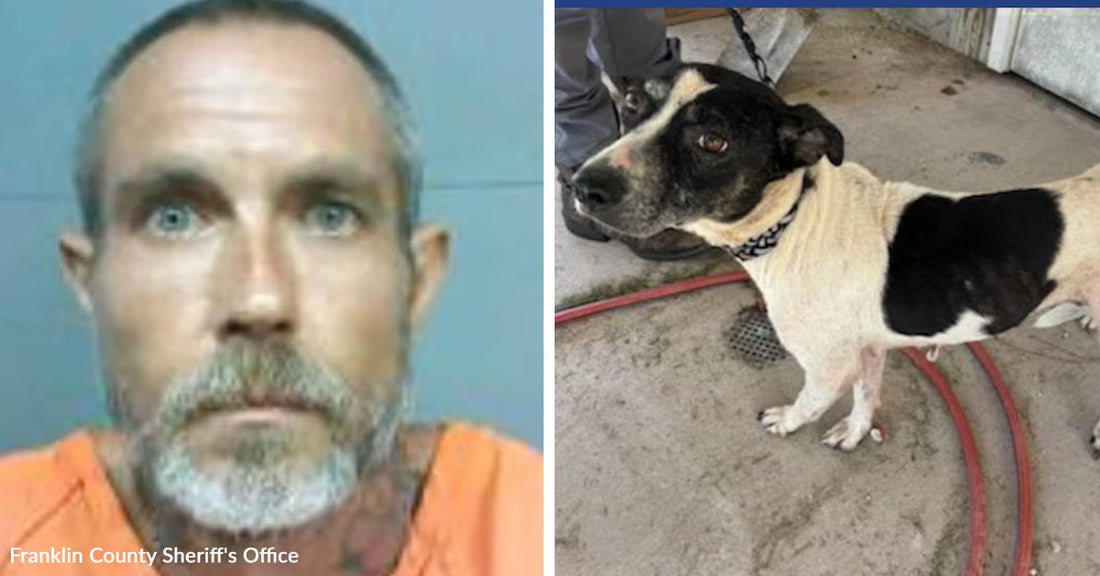
A recent animal abuse case in Franklin County, Florida has shaken local residents and animal advocates alike. According to authorities, deputies discovered roughly 10 dogs living in what Sheriff A.J. “Tony” Smith described as “really horrific” conditions, with one dog already dead when officials arrived. As the investigation continues and one man has been arrested in connection with the case, this story highlights how critical it is to recognize and report animal neglect before it escalates into tragedy. The Franklin County animal abuse case is a painful reminder of what can happen when vulnerable animals are left without proper care.
According to the Franklin County Sheriff’s Office, animal control first received a complaint about a possible animal abuse situation. Acting on that tip, deputies and animal control officers visited a property in the county where they encountered a deeply troubling scene. Around 10 dogs were reportedly confined in and around a very small camper, living in conditions that the sheriff later described as severely inadequate. One dog was found deceased among them.

Sheriff Smith explained that the surviving dogs were emaciated and had clearly not been receiving appropriate care. Describing what deputies witnessed, he said that the dogs were not being taken care of and emphasized the poor environment. He pointed to the fact that they were left in a cramped camper, with conditions bad enough to warrant the word “horrific.” It is a chilling way to describe any living situation, and in this context it underscores just how dire their circumstances were.
Authorities have arrested 37-year-old Jonathan Brannen in connection with the case. According to the sheriff, Brannen faces two animal abuse charges. Officials have also stated that another man, who has previously been arrested in connection with hoarding animals, is expected to face charges soon. At this stage, the details made public have focused on the conditions in which the animals were found, the charges announced, and the next steps for the surviving dogs.
When disturbing cases like this appear in the news, they often raise a number of questions. How long had the dogs been living this way? How did the situation become so severe before authorities intervened? While the available report does not address those specific questions, it does highlight one essential fact that stands out clearly. The case came to light because someone took the time to report a concern to animal control. Without that call, the 10 dogs in poor conditions and the one dog that had already died might have remained unseen and unaided.
Sheriff Smith made a point of encouraging anyone who suspects animal neglect or abuse to contact the sheriff’s department or local animal control. That message resonates strongly in a case like this. Many people might feel uncertain about whether what they observe is serious enough to report. Others might hesitate, not wanting to get a neighbor or acquaintance in trouble. Yet official guidance has consistently stressed that it is better to share concerns with authorities than to stay silent. Professionals can assess whether conditions rise to the level of neglect or abuse.
In this particular incident, the decision to report gave the surviving dogs a second chance. Sheriff Smith noted that as of Thursday afternoon the animals were receiving care. The hope now is that the dogs can be rehabilitated and eventually adopted into loving homes. Stories of animal rescue and adoption often involve long, careful work by shelter staff, veterinarians, rescue organizations, and foster families. When animals arrive from environments described as emaciated and “really horrific,” they frequently need medical treatment, patient socialization, and consistent nourishment before they can thrive in a family setting.
For communities, cases like the Franklin County animal abuse situation can serve as a sober reminder of shared responsibility. Even if most people will never encounter such extreme neglect, learning to recognize warning signs can help prevent similar outcomes. Typical indicators may include animals that appear extremely underweight, living in overcrowded or unsanitary spaces, confined without adequate shelter, or left without visible food or water. The article does not list these signs specifically, yet they are widely recognized in animal welfare guidance and help explain why deputies were so alarmed by what they found in the small camper.
I found it especially striking that this is not the first time local authorities have had concerns about at least one person linked to animal issues, as the sheriff mentioned another man with a previous arrest related to hoarding animals. While each case is unique, patterns of hoarding and neglect often have complex roots. They sometimes involve individuals who start out intending to help animals but then become overwhelmed. In other situations, there may be a willful disregard for the animals’ wellbeing. Whatever the underlying causes, the result for the animals is the same: serious suffering that can only be addressed once authorities step in.
The community’s reaction to such cases often includes outrage and grief for the animals, along with gratitude toward law enforcement and animal control officers who intervene. These feelings can be powerful motivators for change. People who are moved by stories like this Franklin County animal abuse case might choose to support local shelters, volunteer with rescue groups, or advocate for stronger protections for animals. Others might simply become more attentive to the welfare of animals in their own neighborhoods, watching for potential red flags and being willing to speak up.
Responsible pet care requires more than affection. It demands consistent access to food and clean water, safe shelter, veterinary care, and an environment that allows animals to move freely and behave naturally. When any of those elements are missing for a prolonged period, the consequences can be devastating. The account from Franklin County describes dogs who were emaciated and trapped in a very limited space. That picture stands in stark contrast to what humane care should look like and helps explain the strong language the sheriff used in his public comments.
As the case proceeds, attention will likely remain focused on the legal outcomes for those charged and on the recovery of the surviving dogs. Yet the broader lesson is already clear. Community awareness, prompt reporting, and coordinated action between animal control and law enforcement are crucial for protecting animals who cannot speak for themselves. When someone notices animals in distress and chooses to call authorities, it can literally be the difference between life and death.
For anyone in Franklin County or beyond who is unsure about what to do when confronted with a potential animal neglect case, this incident offers a practical guide. Trust your observations, err on the side of compassion, and share your concerns with professionals who can investigate. The dogs in this case are now receiving care because someone did exactly that. Their story is painful, but it also carries a measure of hope that with vigilance and care, more animals can be rescued from “really horrific” conditions and given the chance to heal in loving homes.