
🚨Urgent: Missile Strikes Shelter in Ukraine! Rush Emergency Aid!
Abused Rescue Dog Throws Herself To The Floor Every Time She Meets A Stranger
Guest Contributor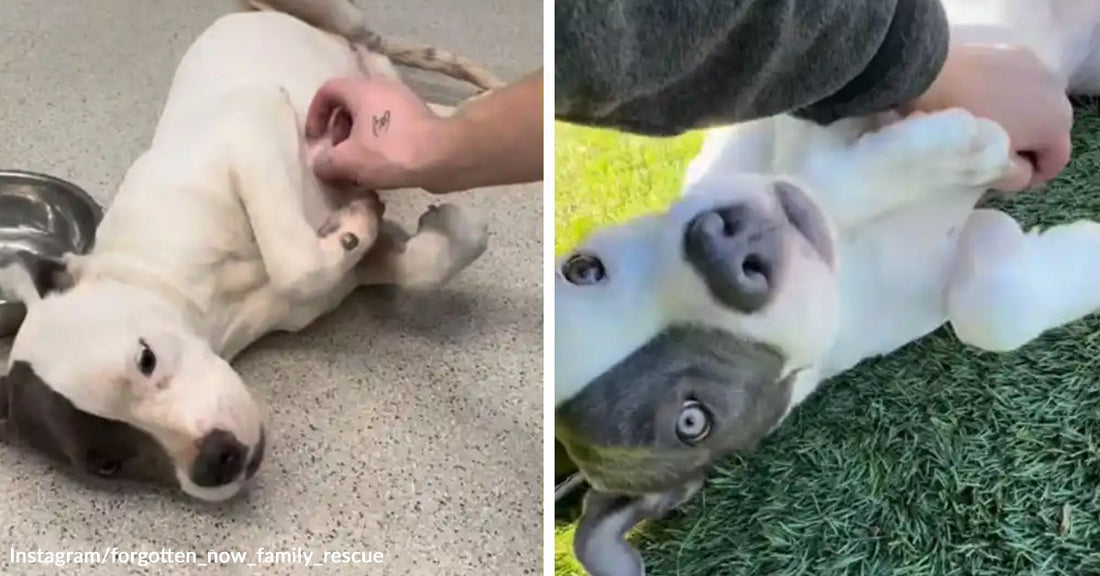
Some stories about rescue dogs carry both heartbreak and hope in equal measure. The video of Mila, an abused rescue dog who is slowly learning to trust humans again, is one of those stories. Her journey from a tiny wire crate and harsh weather to a safe, caring environment shows how deeply neglect can shape a dog’s behavior, and how patient love can begin to undo that damage. For anyone who cares about abused rescue dogs and trauma recovery in pets, Mila’s experience is a powerful reminder that healing is possible, even if it takes time.
Mila’s life began in conditions that no animal should endure. According to the account shared on Instagram by Forgotten, Now Family Rescue, she was once confined to a cramped wire crate and left exposed to the elements. Human contact, for her, was intertwined with neglect and cruelty. Those early experiences left their mark, not only on her body but also on her sense of safety. Even after rescue, the shadow of that past follows her into every new interaction.

The video that has touched so many viewers captures Mila meeting new people at an animal control facility. Each time someone approaches, she immediately drops her body to the floor. Rather than greeting them with a wagging tail or eager sniff, she appears to brace herself, as if pleading not to be hurt. The behavior is subtle and silent, yet it speaks volumes about what she expects from humans. For dogs who have been abused, this kind of automatic submission can be a learned defense, a way to avoid further harm from those who once held power over them.
What makes Mila’s story especially moving is that this fearful response is only part of who she is. Those who have spent time with her describe a dog who is gentle, loving, and surprisingly trusting once she realizes she is safe. The same video that shows her flattening herself to the floor also notes that she gets joyful zoomies when people remind her she is secure. In that safe space, her personality peeks through. She runs, plays, and displays the simple, unguarded happiness that many dogs show effortlessly. The contrast between her fear and her joy highlights the emotional complexity of dogs who have survived neglect.
At the animal control facility where she was taken after rescue, Mila quickly drew attention from staff and visitors alike. Her presence, quiet yet expressive, resonated with those who met her. They saw a dog who carried visible traces of her past, yet still reached toward connection. Her gentle nature became evident in the little moments when she relaxed, accepted affection, or responded to soft voices. These small breakthroughs can be especially powerful in a shelter environment, where many animals are also dealing with stress and uncertainty.
The video of Mila has reached far beyond the walls of the facility. Shared online, it has accumulated tens of thousands of likes and more than a thousand comments from people who recognized their own pets in her reactions. Some viewers wrote about their dogs who drop to the floor or cower when approached, behaviors that often point to a history of mistreatment. One commenter mentioned a dog who behaves the same way, and described responding with as much love as possible. Another directed a message straight to Mila, expressing hope that life will only improve from this point forward. These remarks show that Mila’s story is not isolated. It mirrors the experiences of many rescue animals who have learned to fear what should be safe and comforting.
Behavioral patterns like Mila’s are sadly common among abused rescue dogs. Animals who have been hit, shouted at, or neglected often become hyper-vigilant. They may freeze, cower, or throw themselves into submissive positions when someone reaches toward them. Sudden movements or unfamiliar voices can trigger anxiety, even in otherwise calm settings. Over time, these dogs might associate humans with pain or unpredictability, which makes building new relationships slow and sometimes challenging.
At the same time, countless stories show that many of these dogs can heal. With steady kindness, predictable routines, and patient training, they gradually learn that not all people will hurt them. In safe environments, their nervous systems have a chance to reset. Instead of expecting punishment, they start to anticipate treats, walks, and gentle touch. For some animals this shift takes months, for others years, and some may always carry traces of fear. Yet the capacity for trust often remains, even after severe trauma. That capacity is clearly visible in Mila when she breaks into joyful play once she realizes she is protected.
Mila’s reactions in the video underline the responsibility that comes with adopting or fostering an animal who has suffered. Caring for a traumatized dog is rarely as simple as offering food and a bed. It often requires reading subtle body language, giving space when needed, and celebrating very small steps forward, such as a relaxed tail or a calm approach to a new person. For many guardians of rescue animals, these moments of progress are deeply meaningful. They show that the dog is doing something incredibly brave, choosing to trust again despite having every reason not to.
The strong online response to Mila’s story also hints at a growing awareness of the emotional lives of animals. Viewers are not only reacting to a sad video but also recognizing a pattern they have seen in their own homes and communities. Shared stories about fear, healing, and resilience help build understanding that trauma in pets is real and that compassionate care can make a tangible difference. In this sense, Mila stands as both an individual dog with her own unique history and a symbol of many other animals who are still waiting for safe, patient homes.
Watching a dog like Mila flatten herself to the floor in fear can be difficult, yet it also highlights what is at stake when people choose to adopt or support rescue organizations. Every step she takes toward trust is evidence that cruelty does not have to be the final chapter in an animal’s life. With support from rescuers, shelter workers, and adopters, dogs who once knew only confinement and neglect can discover comfort, play, and stability. Mila’s story, quietly unfolding in a shelter and on a screen, is a reminder that healing often happens in small, repeated acts of kindness that show an animal, again and again, that this time, they are truly safe. Read more at DogTime