
The Last Person Pulled Alive From the World Trade Center Spent 27 Hours Buried Beneath the Rubble
Guest Contributor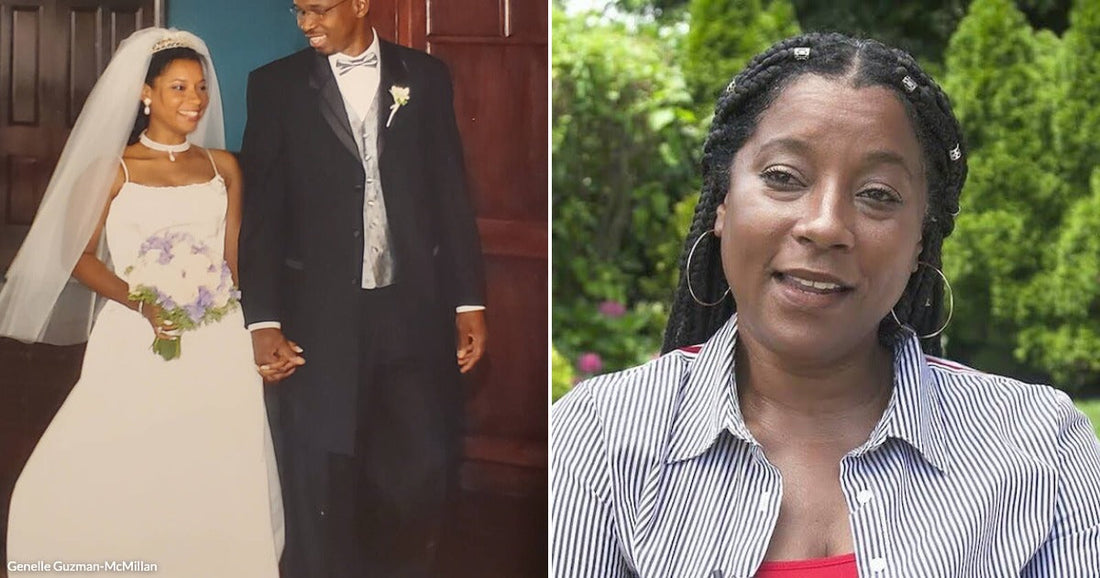
On the morning of September 11, 2001, thousands of people began what they believed would be an ordinary workday. Among them was 30-year-old Genelle Guzman-McMillan, an office assistant at the Port Authority of New York and New Jersey, working high in the North Tower of the World Trade Center. Her story would become one of the most harrowing survival accounts of that day. She would ultimately become the last person rescued alive from the World Trade Center rubble after spending 27 hours trapped in the collapsed North Tower.
Guzman-McMillan had come a long way to be there. Born in Trinidad and Tobago to Venezuelan immigrant parents, she grew up in a large family with eight siblings. After graduating from North Eastern College in Trinidad, she moved to New York City in the 1990s in search of opportunity. Like many newcomers, she fell in love with the city and decided to stay. By 2000, she had secured a job with the Port Authority, with an office on the 64th floor of the North Tower, and began building the life she had imagined.

Guideposts
September 11 began like any other Tuesday. She clocked in at 8:05 a.m. and settled into her routine with her coworkers. Then, at 8:46 a.m., everything changed. She felt the building tremble and at first believed it to be an earthquake. Having grown up in a region where earthquakes were not unusual, she did not immediately assume the worst. An announcement over the building's public address system instructed everyone to stay put, and her manager told the office that he had called Port Authority police to find out what had happened. Until they knew more, he urged everyone to remain calm and stay inside.
Some people ignored that instruction and moved quickly toward the elevators and stairs. Guzman-McMillan and several coworkers, however, stayed together on their floor. The building had recently held an emergency drill, and because there were no alarms, flashing lights, or cues they associated with a real emergency, they hesitated. They moved to a conference room and turned on the news, looking for confirmation that an earthquake had struck. Instead, they heard anchors describe what was unfolding as a terrorist attack.

Eric J. Tilford
Despite the alarming reports, the message over the PA system did not change. The voice again instructed occupants to stay where they were, reassuring them that help would come. Guzman-McMillan called her boyfriend, Roger, and he pleaded with her to leave the tower. By that time, the elevators had stopped working, and official guidance still urged people to remain on their floor, which only added to the confusion and fear.
Minutes later, at 9:03 a.m., the second plane hit the South Tower just a short distance away. Guzman-McMillan felt the North Tower shake again and described her heart as dropping when she realized the scope of the danger. At that point, despite everything they had been told over the PA system, she and her coworkers decided to take the stairs. That decision would prove life-saving.
They began the long descent from the 64th floor on foot. The stairwell was crowded and tense, but Guzman-McMillan stayed close to her friend Rosa, holding her hand as they navigated the steps. Together they counted off the floors they passed. Sixty. Fifty. Forty-seven. Forty. Thirty-five. With every step downward, she felt cautiously hopeful that they might make it out of the building. Her feet ached in her heels, yet the group kept going.
When they reached the landing on the 13th floor, Guzman-McMillan let go of Rosa’s hand to pull off her shoes. In that small, ordinary gesture, the entire course of her life shifted. As she yanked off her heels, she heard another loud explosion and felt a powerful force knock the group backward. A deep rumbling grew louder and louder around them until everything went dark. The North Tower, which had been the first hit, now became the second to collapse. It was 10:28 a.m.
In the chaos and destruction of the collapse, Guzman-McMillan was crushed and pinned under mountains of steel and concrete in the footprint of the North Tower. Her right leg was badly injured, her face was burned, and her head ended up wedged tightly between two concrete pillars. She could not move her body and found herself buried in darkness.
For a long time after the collapse, she heard nothing at all. No voices, no footsteps, only silence and the sound of her own breathing. Eventually, by straining with all her strength, she managed to wrench her head free from between the concrete slabs. She later recalled feeling her hair tear from her scalp as she twisted her neck. Still, she was largely immobile, with only her left arm free to move a little in the cramped space.
Time became difficult to track. Hours passed as she lay there trapped, in pain and completely unsure whether anyone knew where she was. Guzman-McMillan described the overwhelming sense that she would die in that space, buried beneath the ruins of the World Trade Center. She tried to prepare herself for the possibility that she would not be found.
At one point, her thoughts turned to her 12-year-old daughter, Kimberly. The thought of never seeing her again pushed her to reach for something beyond her circumstances. She began to pray intensely, asking God to spare her life and to let her see her daughter again. She described herself as repeatedly begging for a miracle, even as hope was slipping away.
After roughly 27 hours in the rubble, when she felt she could not endure any longer, she experienced something that would shape the way she later understood her survival. She heard a voice and then felt a hand clasp hers in the darkness. The man told her that his name was Paul and assured her to hang on. According to her account, he promised that rescuers were coming to get her out.
Not long after this exchange, a rescue team reached her position and pulled her from the debris. She was rushed to a hospital, where she remained for more than a month. Her injuries were severe. At one point doctors feared they might need to amputate her leg. Through multiple surgeries, including four on that leg, they managed to save it. As her body slowly healed, she also began to emotionally process what she had endured and how close she had come to death.
In the weeks that followed, Guzman-McMillan’s life changed in profound ways. Within a month of being discharged from the hospital, she and Roger decided not to wait any longer to formalize their commitment. They went to City Hall and married on November 7. The couple later began a family and moved to Long Island, and Guzman-McMillan went on to earn an Airport and Airline Management certification, continuing to build her career at the Port Authority.
Years later, she returned to the site of the World Trade Center, visiting the memorial fountain that now stands where the North Tower once rose into the sky. It was the closest she had been to the exact spot where she had been trapped since the day she was rescued. She searched the memorial for the names of those she had known, including her friend Rosa, whose hand she had held in the stairwell. That visit was also an opportunity for reflection on survival, loss, and memory.
Her thoughts also returned to Paul, the man she believed had held her hand in the rubble. When media crews interviewed her about her story, they sometimes helped arrange reunions with first responders who had been part of the rescue effort that day. She asked repeatedly if anyone knew a rescuer named Paul who might have been there with her in those final moments before she was freed.
One crew member looked into it and told her that there was no one named Paul on their team. That detail would eventually become central to how she understood her experience. Guzman-McMillan came to believe that the figure who comforted her in the darkness was a guardian angel sent to strengthen her and remind her of her faith at the very moment she was about to give up.
For the 10th anniversary of the attacks, she shared her story with the world in her book Angel in the Rubble. In it, she recounts her journey from the 64th floor to the 13th floor, the sudden collapse that left her buried, the 27 hours she spent trapped beneath the ruins of the North Tower, and the presence she calls Paul, who she believes helped her hold on long enough to be rescued. Her account has become one of the most memorable World Trade Center survivor stories, a testament to resilience, faith, and the human will to live.
Read more at https://allthatsinteresting.com/genelle-guzman-mcmillan