
💜 Thanksgiving Food Drive for Shelter Pets Help Us Feed 1 Million Shelter Pets!
A Pharmacist Explains Why Your Glucose Monitoring Plan Should Fit Your Life as Well as Your Treatment
Guest Contributor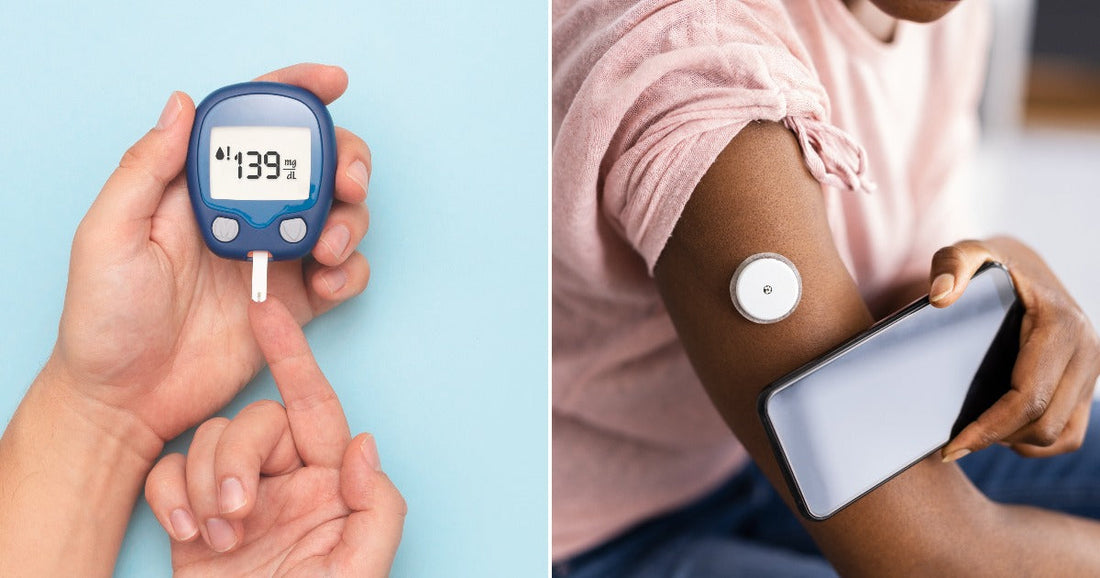
Glucose monitoring technology has advanced quickly, but the real challenge today is not which device is the most sophisticated. It is how to match blood glucose monitoring or continuous glucose monitoring to the life, preferences, and treatment plan of the person living with diabetes. Recent guidance from the American Diabetes Association (ADA) emphasizes that diabetes glucose monitoring should fit the patient, not the device, and pharmacists are uniquely positioned to make that principle real in day to day care.
The ADA’s 2026 Standards of Care frame monitoring as an individualized decision that must align with a person’s therapy, risk of hypoglycemia, and willingness and ability to use the information. Rather than suggesting one universal “best” tool, the Standards encourage clinicians to ask what is clinically useful for this specific patient and what is practical for them to maintain. Brooke Hudspeth, PharmD, chief practice officer at the University of Kentucky College of Pharmacy, captures this idea by describing the goal as a plan that is both clinically sound and manageable for the patient.

Current recommendations position continuous glucose monitoring, or CGM, as a central option for a wide range of people with diabetes. The ADA now recommends CGM for children, adolescents, and adults who use insulin, for those on noninsulin therapies that carry a risk of hypoglycemia, and for anyone whose diabetes management can benefit from the added insight CGM provides. Importantly, the 2026 update presents CGM as a potential tool right from the time of diagnosis rather than reserving it only for intensive insulin regimens or very high risk scenarios.
This evolution reflects an understanding that real time glucose data can support better decisions about food, physical activity, and medication adjustments. Yet the ADA also acknowledges a persistent gap between what is clinically possible and what is actually accessible. Insurance coverage can lag behind device innovation. For instance, Medicare coverage for CGM typically requires that a person either use insulin or have documented problematic hypoglycemia and also have a qualifying visit with a practitioner in the six months before the order. Those criteria can leave some people who would benefit from CGM without ready access.

For individuals managed with noninsulin therapies, blood glucose monitoring still plays a meaningful role. The Standards note that traditional blood glucose meters can be helpful when someone is adjusting meal plans, changing activity levels, or fine tuning medications. Even if constant CGM use is not realistic, periodic use of personal or professional CGM can provide valuable snapshots that guide future choices. This flexible approach recognizes that a person’s monitoring strategy may evolve over time as treatment, lifestyle, or coverage changes.
Fingerstick testing also remains essential even for people who use a sensor. The ADA explicitly states that anyone using CGM should always have access to blood glucose monitoring. There are times when a meter is necessary, including when there are concerns about CGM accuracy, when the sensor is warming up, or if there are delays or issues with CGM supplies. For people on insulin who rely primarily on meters, the Standards encourage checking whenever hypoglycemia is suspected, after treating a low until levels return to normal, and before as well as during critical activities such as driving.

It is easy to view meters and strips as routine, almost invisible parts of care, but quality matters. The ADA advises health professionals to be aware that not all devices perform equally. Clinicians are encouraged to use FDA approved meters and to ensure that strips are unexpired, properly stored, and obtained from a pharmacy or other licensed distributor. There is also a reminder to consider how medications or other substances might interfere with readings. These details may seem technical, yet they directly influence whether a patient can trust the numbers that guide their decisions.
Within this landscape, the community pharmacist has a particularly practical vantage point. Hudspeth points out that pharmacies are often where people obtain their meters, CGM sensors, and test strips. Beyond dispensing products, pharmacists frequently know a patient’s full medication list, their broader health history, and many of the social factors that shape how they manage their condition at home. Those long term relationships provide context that can be crucial for tailoring a monitoring plan.
That familiarity allows pharmacists to ask focused, person centered questions. When is this patient realistically able to test or scan their sensor? What specific question is each reading meant to answer? How will the patient interpret that result and what action might they take in response? Hudspeth explains that this kind of individualized discussion helps transform abstract recommendations into a concrete plan that someone can follow within their daily routines.
Practical constraints also enter the picture. Access to supplies, comfort with technology, work schedules, caregiving responsibilities, and even housing or transportation can influence whether a plan that looks ideal on paper will succeed in practice. Pharmacists are often among the first to see gaps or barriers, such as difficulty obtaining strips on time or confusion with device setup. When those issues are identified early, the monitoring approach can be adjusted rather than abandoned.
Hudspeth also cautions against turning blood glucose monitoring into a data collection exercise with no clear purpose. She notes that using a meter should not be about gathering a long list of numbers with no context. Instead, the goal is to help people understand what those values mean and to build the confidence to use the information to manage their diabetes. That perspective applies equally to advanced CGM systems and to the simplest meters. Technology only fulfills its promise when the person using it knows why they are monitoring and how to respond.
Seen this way, the question is not whether CGM will replace fingersticks or whether one device is definitively superior. The more helpful question is what mix of tools and strategies best supports an individual at a given moment in their journey with diabetes. The ADA’s Standards of Care, together with the lived experience of clinicians like community pharmacists, suggest that the most effective plans are those that balance evidence based guidance, real world limitations, and the preferences of the person who lives with the condition every day.
As glucose monitoring options continue to expand, the role of pharmacists as accessible, knowledgeable partners in care is likely to grow. Their ability to bridge clinical guidelines and daily life can help ensure that advanced technology translates into meaningful improvements in control, safety, and quality of life. Ultimately, success lies not in choosing the flashiest device, but in finding the approach that a patient can understand, afford, and sustain over time, supported by a team that respects their circumstances and goals.