
Man Arrested After Deputies Find Dead Dog Hotter Than Their Thermometer Could Measure
Guest Contributor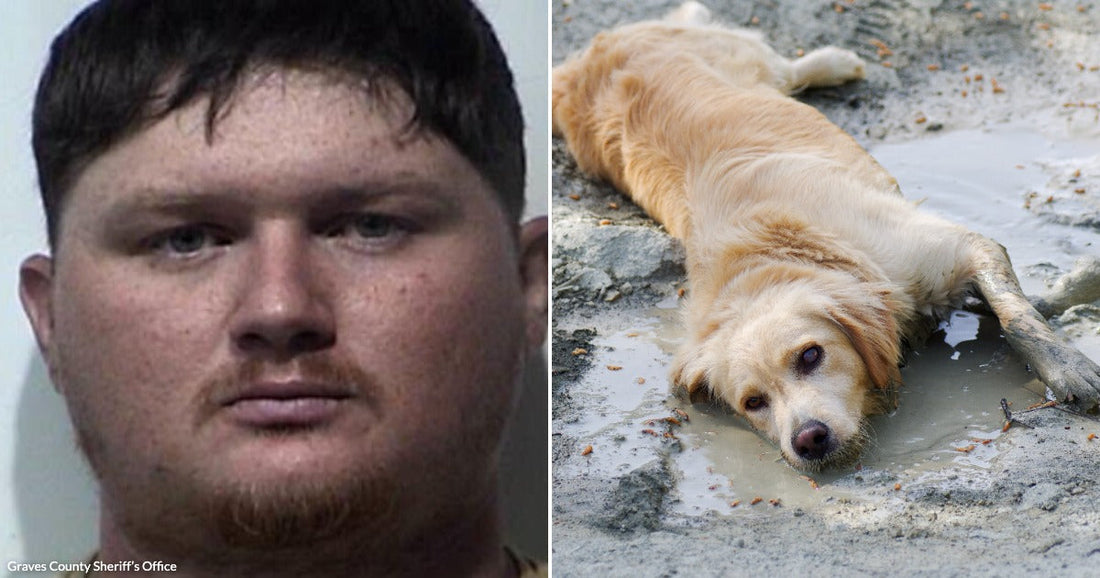
News from Graves County, Kentucky, has brought renewed attention to the serious responsibilities that come with pet ownership, especially during periods of extreme heat. In a recent animal cruelty investigation, a Graves County man was arrested and charged after authorities say a dog died while tied outside in direct sun without access to shade. This animal cruelty case has prompted local officials to issue a clear reminder that providing humane care to pets is not just a moral duty, it is a legal requirement.
According to information shared by the Graves County Sheriff’s Office, the incident began when Graves County Animal Control contacted deputies to report a possible case of cruelty involving dogs kept outdoors. A welfare check was requested after concerns were raised about two dogs that were reportedly on chains in the sun with no shade available. What authorities discovered at the scene was even more distressing: an adult dog already deceased.

Deputies used a temperature measuring device to assess the condition of the dog’s body. The device, which the sheriff’s office reports is capable of reading up to 111 degrees, registered a temperature beyond its limit. This detail suggests that the dog had been subjected to extreme heat conditions. The sheriff’s account emphasizes that the dog was tied in such a way that it could not reach shade or move away from direct sun exposure.
Investigators identified the dog’s owner as 29-year-old Gage Walker of Mayfield, Kentucky. The Graves County Sheriff’s Office reports that Walker was arrested and charged with torture of a dog or cat, an offense that reflects the severity of the situation in the eyes of the law. After his arrest, he was taken to the Graves County Jail, then later transferred to an out of county detention center.

The case has quickly become a somber example of how quickly hot weather can turn dangerous or deadly for animals that are left without proper shelter. Situations like this are often preventable when pet owners understand how vulnerable animals are to heat and take proactive steps to keep them safe. Even a short time in direct sun without shade or adequate water can place an animal at serious risk of heat stress, heat exhaustion, or heatstroke. When an animal is tethered and cannot move freely, those risks increase significantly.
Graves County Sheriff Jon Hayden addressed the incident directly and used it as an opportunity to remind the community of their obligations to animals in their care. He stated that during periods of excessive heat, pet owners have a legal obligation to care for their pets and that this responsibility is not optional. According to his statement, individuals who are not able, capable, or willing to provide appropriate care should not have pets. The sheriff’s words underline both the legal and ethical dimensions of pet ownership.
This case, and others like it, often spark conversations about what responsible care looks like, particularly for pets that live or spend significant time outdoors. Humane treatment requires more than just food and water. It includes safe shelter from the elements, the ability to move freely enough to seek shade or warmth, and regular checks to ensure that animals are not in distress. When high temperatures are involved, veterinarians and animal welfare advocates widely warn that dogs should never be left without access to shade and cool water, and that pavement, enclosed vehicles, and direct sunlight can quickly become dangerous.
While the Graves County report focuses on the specific legal charges and the outcome of the welfare check, it also invites broader reflection on community standards for animal care. Animal cruelty investigations like this one often rely on members of the public who speak up when they see something that may be wrong. The fact that Graves County Animal Control requested a welfare check based on a report about dogs chained in the sun highlights the role that neighbors and concerned citizens can play in prevention. Reporting a potential issue can give authorities the chance to intervene before harm occurs.
It is also important to remember that neglect and cruelty are not always the result of deliberate malice. Sometimes they stem from a lack of knowledge about animal needs, particularly in extreme conditions. That said, the law typically does not distinguish based on intent when obvious harm occurs. Legal standards for animal care are in place to protect animals from suffering, and failure to meet those standards can lead to criminal charges, as reflected in this case involving torture of a dog or cat.
For pet owners in Graves County and beyond, stories like this serve as a painful reminder that guardianship of an animal comes with serious responsibilities. At a minimum, those responsibilities include providing adequate food and clean water, safe shelter, necessary veterinary care, and protection from environmental dangers such as heat and cold. When pets are restrained outdoors on a chain or tether, those responsibilities increase, because the animal’s ability to protect itself is severely limited. If something goes wrong, such as rapidly rising temperatures, the animal depends entirely on the owner to notice and respond.
On particularly hot days, experts recommend bringing pets indoors whenever possible, limiting outdoor time, and ensuring constant access to shade and water when outside cannot be avoided. Heat-related illness in animals can develop much faster than many people realize. Panting heavily, weakness, confusion, vomiting, or collapse can all signal medical emergency. In many jurisdictions, leaving a pet in conditions that pose a foreseeable risk of suffering or death may meet the legal definition of cruelty or neglect.
I found the reported temperature detail especially striking, because it illustrates in concrete terms just how extreme the conditions were. A device that cannot even register how high the dog’s body temperature had become points to intense and prolonged heat exposure. It is the kind of detail that can shift these stories from distant headlines into a more immediate understanding of what animals experience when they are left without shade or relief.
Ultimately, this Graves County animal cruelty case underscores a simple principle that applies in every community. Animals are vulnerable beings that rely on humans for their safety and wellbeing. Owning a pet is not just a personal choice, it is a commitment that carries legal and moral weight. As Sheriff Hayden noted, caring for pets according to the law is not optional. For anyone considering bringing an animal into their home, or for those already living with pets, this is a moment to review their current practices, make any needed changes, and ensure that no animal in their care is left to suffer under preventable conditions, whether from heat, cold, or any other avoidable harm.