
🚨Urgent: Missile Strikes Shelter in Ukraine! Rush Emergency Aid!
Teen Accused Of Shooting Neighbor’s Dog Now Faces Animal Cruelty Charge
Guest Contributor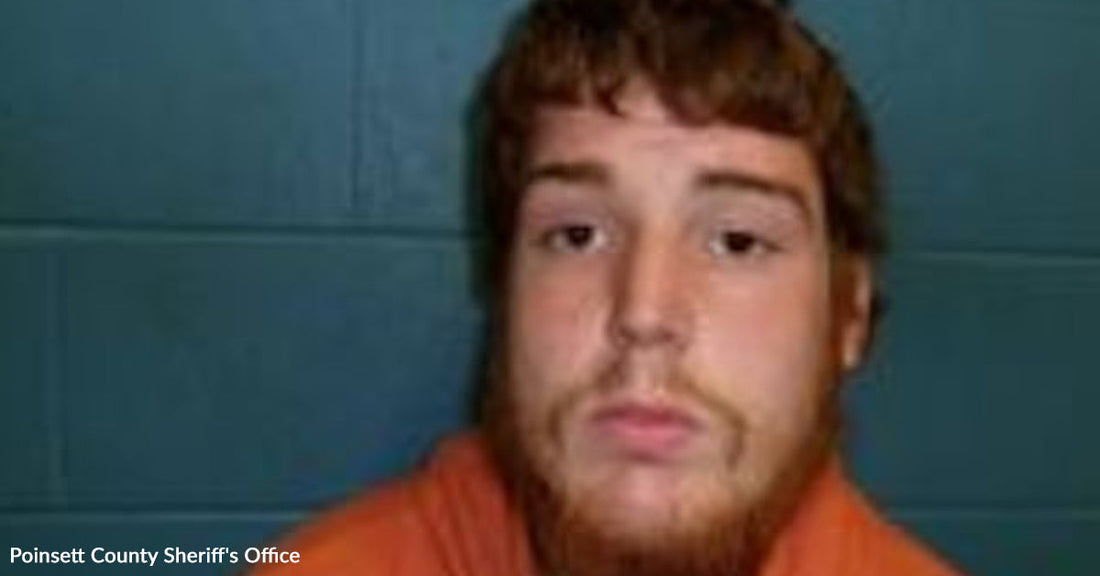
A quiet neighborhood in Harrisburg, Arkansas, has been shaken by an incident that has stirred strong emotions and raised hard questions about responsibility, judgment, and how communities respond when animals are harmed. According to authorities, a 19-year-old Harrisburg man has been charged with cruelty to animals after a neighbor’s dog was shot and killed. For many readers, stories involving a shooting of a dog, allegations of animal cruelty, and neighbor conflict touch deeply held feelings about pets, safety, and what should happen when tempers and fear collide.
Police records indicate that the events unfolded on April 13, when Harrisburg officers responded to a shots-fired call involving a dog. When they arrived at the scene, officers, including Sgt. Lance McGinnis, found a blond labrador lying in the road with what appeared to be a gunshot wound. A trail of blood stretched from the driveway area nearby to where the dog’s body lay, suggesting the animal had tried to move after being injured. This detail paints a stark picture of the final moments of the dog’s life and underscores why animal cruelty charges can prompt strong reactions from the community.

According to the affidavit cited by authorities, emotions were already running high when officers got to the scene. Keri Crawford, identified as the dog’s owner, told police, “They killed my dog.” That brief statement captures the shock and grief many pet owners would likely feel in a similar situation. Pets are often considered part of the family, and losing one suddenly in a violent way can be traumatic and disorienting.
At the scene, officers encountered 19-year-old Zander Lewis Cain, who was taken into custody. An acquaintance of Cain, identified as Joseph Rich, told the dog’s owner that her pet had run toward them and that Cain shot it. The initial description suggests a confrontation that escalated rapidly, leaving little time to process what was happening or what options might have been available. Authorities did not state in the initial account whether anyone involved claimed self-defense in a legal sense, but the idea that the dog “ran toward them” figures prominently in the early reports.
The incident did not end with the shooting. Another person at the scene, Andrew Crawford, reportedly began yelling at Cain and Rich. Police say Andrew was shouting at the men, reacting strongly after learning that the dog had been shot. Officers then took Andrew Crawford into custody, which added another layer to a scene already marked by grief, anger, and confusion. It appears that what began as an animal cruelty investigation quickly became a broader confrontation involving multiple individuals and competing accounts.
The story took a more concrete shape two days later when Sgt. McGinnis reviewed video footage of the shooting. That video, reportedly recorded from Cain’s home and provided by Rich, has become a key piece of evidence. In his statement, McGinnis said that the video showed the dog running into Cain’s driveway toward Cain and then sitting. At that moment, according to the affidavit, Cain walked into view of the camera, stopped as the dog sat, and pointed a handgun toward the animal. The dog then appeared to move forward toward Cain, at which point Cain fired the shot.
The lack of audio on the footage leaves some questions unanswered. McGinnis noted that it could not be determined from the recording whether Cain said anything to the dog or whether the dog was barking. Without sound, viewers are left to interpret only the visual actions: the dog running toward the driveway, sitting, moving forward, and then apparently being shot. For investigators, that missing audio means they must rely on visible movements and the statements of those present at the time.
After the shooting, the video reportedly shows the dog running into the road, which is where officers later found the animal deceased. That detail aligns with the trail of blood discovered at the scene and supports the timeline suggested by the witnesses and investigators. Taken together, the video and physical evidence form the basis for the decision that followed from the prosecutor’s office.
On April 16, a prosecuting attorney reviewed the evidence and found probable cause to charge Zander Lewis Cain with cruelty to animals, a misdemeanor under the cited jurisdiction. A charge of animal cruelty can carry significant legal and social consequences, even when classified as a misdemeanor. It signals that authorities believe there is enough evidence to argue in court that the treatment of the animal was unlawful and unjustified under the applicable statutes. For communities that care deeply about animal welfare, the decision to bring a cruelty to animals charge can be seen as an important part of accountability.
The conflict did not end with the animal cruelty allegation. Authorities state that Rich and Cain were served no-contact orders, and additional charges emerged from the altercation that followed the shooting. Cain initially declined to pursue charges against Andrew Crawford but later changed his mind. In a statement given to investigators, Cain said that after he shot the dog and police arrived, Andrew ran onto his property, yelling, “You killed my dog, well kill me,” and that a fight then began. As a result of that confrontation, Andrew was arrested and subsequently charged with third-degree assault, criminal trespass, and violation of a no-contact order.
This chain of events highlights how a single painful incident can ripple outward into multiple legal disputes. There is the core allegation of animal cruelty, centered on what happened in the moments before and after the dog was shot. Layered on top of that, there are accusations relating to trespass, threats, and physical altercation. Neighbors who may once have quietly shared a street now face each other through police reports, legal filings, and no-contact orders.
I found it striking that the video evidence, which could have provided a definitive account, is limited by the absence of audio. In many modern cases, surveillance or home security footage can clarify disputes. Here, the camera captured critical visuals that helped form the cruelty to animals charge, yet the missing sound leaves room for interpretation about tone, commands, or warnings that may or may not have been voiced. It is a reminder that even in a surveillance-heavy era, not every question can be answered with certainty.
Stories like this often resonate far beyond the immediate community. For anyone who shares a home with a dog or other pet, hearing about a labrador named “Flash” being shot in a neighborhood driveway can feel personal, even from a distance. At the same time, the legal process that follows is designed to move carefully, weighing evidence such as video, witness statements, and physical findings before reaching conclusions about guilt or innocence. While emotions may run high, especially for those closest to the case, the justice system proceeds step by step.
As the charges move forward, the residents of Harrisburg are left to grapple with what happened and how to coexist after a deeply divisive event. The image of a trail of blood leading from a driveway to the road, the anguish of a dog owner confronted with sudden loss, and the rapid escalation that led to multiple arrests will likely linger in local memory. For observers, the case underscores the importance of responsible decision making when firearms, animals, and neighborhood tensions intersect, and it highlights how quickly an ordinary day can turn into a lasting tragedy.