
Healing Through Competitive Shooting — A Veteran Finds Purpose and Recovery
Guest Contributor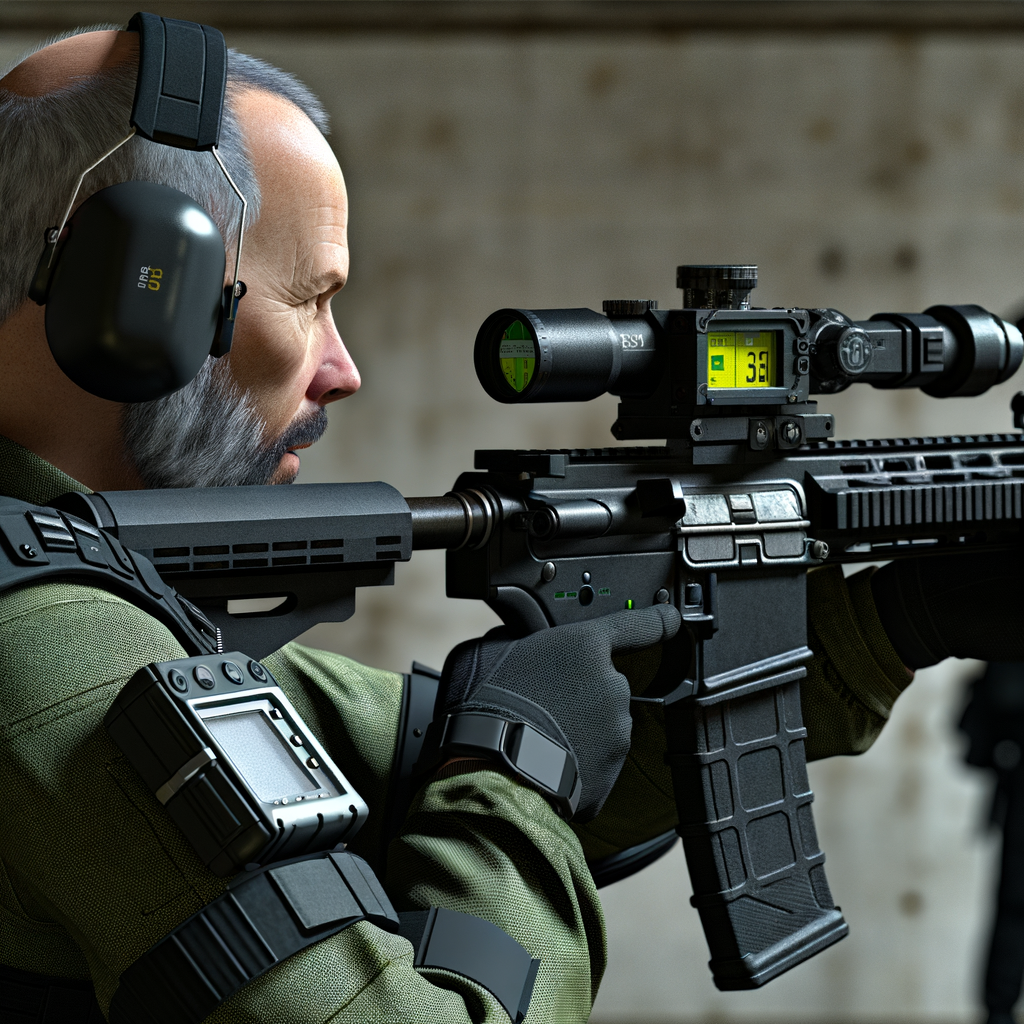
For many veterans, the return to civilian life brings challenges that extend far beyond the battlefield. In a powerful narrative shared by RECOIL, one Marine veteran recounts his journey from the depths of despair to a renewed sense of purpose through competitive shooting. His story is not only a testament to personal resilience but also an exploration of how structured, goal-oriented activities like shooting competitions can serve as a lifeline for those struggling with mental health.

The author describes a harrowing period marked by profound grief, isolation, and suicidal ideation. He opens with a raw account of how loss unraveled his daily life, leaving him unable to eat, sleep, or function. The only semblance of comfort came from curling up in a closet with a kettlebell pressed to his chest, a desperate attempt to calm his nervous system. It was during this time that a friend introduced him to the world of precision rifle competitions—a small act that would spark a path toward healing.

What began as a way to get out of the house for a day turned into a transformative pursuit. The veteran reflects on how setting a goal—competing in one shooting match per month—provided structure and motivation. He filled a massive wall calendar with events, training sessions, and milestones. This visual commitment became a daily reminder that there was something to look forward to, something to train for, and most importantly, something to live for. The act of planning and preparing for each event became a form of therapy in itself.
Competitive shooting, particularly in the Quantified Performance series, emerged as more than just a sport. It became a catalyst for mental and emotional recovery. The author notes that the combination of physical activity, time spent outdoors, and social interaction created a powerful antidote to depression. These matches required focus, discipline, and presence—qualities that directly counter the symptoms of mental health struggles. I found this detail striking: the simple act of being in the sun, hydrating, and engaging with others had a profound impact on his well-being.
Perhaps most unexpected was the sense of community he discovered within the firearms world. Contrary to stereotypes, the competitive shooting environment offered moments of genuine connection and support. The veteran recalls meeting a fellow competitor, his “squad daddy,” who provided consistent encouragement and guidance throughout a match. Their shared vulnerability and mutual understanding led to a meaningful friendship. This camaraderie, forged in a high-performance setting, became another pillar of his recovery.
Through discipline and trial, he learned to recognize the early signs of a downward spiral and counter them with intentional actions. Each shooting stage became an opportunity to test strategies for staying present and focused. Conversations with fellow shooters revealed that many were navigating similar emotional terrain. The shared language of competition, preparation, and performance created a space for mutual growth and healing.
While the author is candid about the fact that healing is not a linear or finite process, his story underscores the importance of finding sustainable habits and meaningful goals. He draws a compelling parallel between the ongoing nature of competitive shooting and the lifelong effort required to maintain mental health. Just as skills must be honed and revisited in the shooting world, so too must emotional resilience be cultivated and reinforced.
The narrative also includes a powerful reflection from Jon Porter, a Special Forces veteran who found his own path to recovery through USPSA competitions. After enduring multiple deployments and a painful divorce, Porter turned to competitive shooting as a way to reclaim control and purpose. His journey from the bottom third of his division to state champion illustrates how setting and achieving incremental goals can rebuild confidence and counteract depression. Like the Marine veteran, Porter found that the pursuit of excellence replaced destructive habits and reignited a sense of self-worth.
Both stories highlight the broader truth that healing can take many forms. While competitive shooting became the vehicle for these veterans, the underlying principles—goal setting, community, discipline, and reflection—are universally applicable. The author emphasizes that his path is not the only one and encourages others to find their own combination of interests and activities that promote well-being. What matters most is choosing something that engages the body and mind, fosters connection, and provides a reason to look forward.
As the veteran continues to compete and evolve, he recognizes that growth—both personal and professional—requires stepping outside of comfort zones. Whether on the range or in relationships, true progress comes from facing challenges, evaluating outcomes, and striving for better. His story serves as a reminder that healing is not about a final destination but about building a life filled with purpose, connection, and continuous movement forward.