
Firefighters Look Inside a Drainage Pipe and Find a Puppy Who Cannot Get Out
Guest Contributor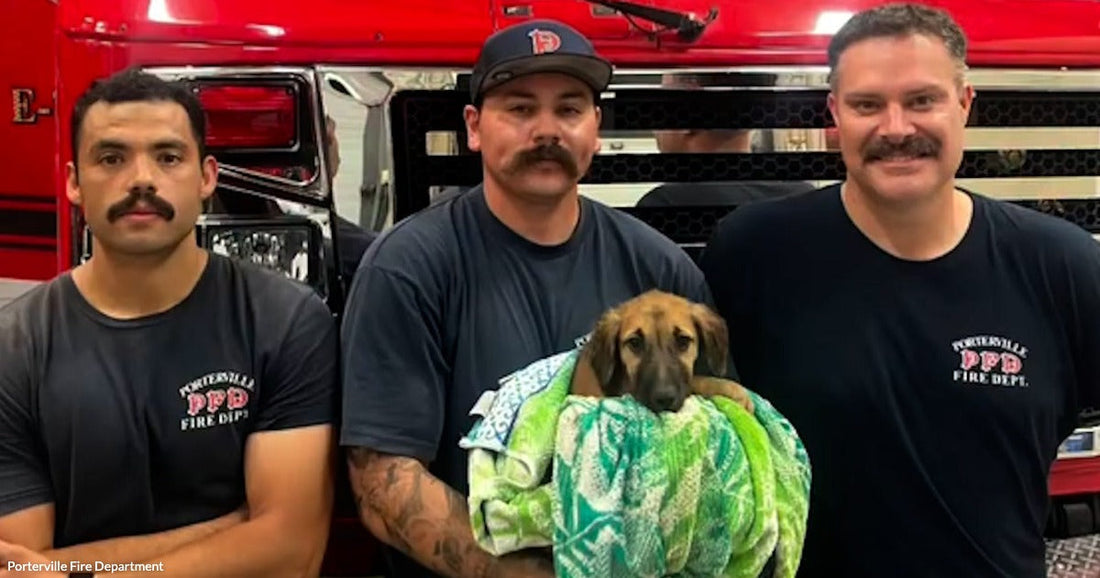
When a small animal is in trouble, the whole mood of a community can shift around the effort to help. That feeling is at the heart of a recent story from Porterville, California, where fire crews rescued a puppy stuck in a drainage pipe and then turned the young dog over to a local animal shelter for care. It is a short, simple incident report on the surface, yet it highlights the quiet, everyday heroism of first responders and animal services workers. For anyone who cares about pet rescue stories or follows animal shelter news, this story offers a gentle, uplifting reminder that compassion often guides emergency work.
According to information shared by the Porterville Fire Department, the incident began on August 23, 2026, when a call came in to the department’s dispatch center. The report was straightforward and urgent. A puppy was stuck in a drainage pipe and needed help. There are not many details about who first spotted the puppy or exactly how the animal ended up in that situation, but the core facts are clear. Crews were promptly dispatched and responded to the scene, where the dog’s situation required careful handling.

Porterville Fire Department
The fire crews then worked to safely remove the puppy from the drainage pipe. The report does not detail the technical steps involved, which is common in short public updates, yet anyone familiar with animal rescues can picture the care required. Firefighters often balance urgency with gentleness, especially when a frightened animal may be injured or disoriented. In this case they successfully freed the puppy, proof that their approach worked without making the situation worse.
Once the puppy was out of the pipe, the firefighters did something quiet and compassionate that rounds out the story. They cleaned the young dog up following the rescue. This small detail adds a more human scale to the account of events. It shows that, to the crews, the puppy was not just a problem to solve, but a vulnerable animal that deserved comfort as well as safety. A scared, dirty dog emerging from a drainage pipe is likely stressed and confused. Taking the time to clean the animal underscores the department’s commitment to care as much as to technical rescue skills.
After the initial rescue and immediate care, the story moved into its next phase. The following morning, the puppy was turned over to Tulare County Animal Services for ongoing care. This handoff from the fire department to animal services is an important part of responsible pet rescue. Firefighters are trained and equipped for emergency response and technical rescue, while animal services organizations are focused on health assessments, shelter, and long term outcomes for animals.
By transferring the puppy to Tulare County Animal Services, the Porterville Fire Department ensured that the dog would receive proper evaluation and any necessary medical attention. While the report does not specify the puppy’s condition beyond being rescued, cleaned, and safely handed over, the involvement of an established animal services agency suggests a path toward stability. Shelters and animal control teams are trained to handle vaccinations, check for microchips, attempt to locate any possible owners, and, if needed, arrange for adoption through standard procedures.
Stories like this one spotlight how several parts of a community system can work together. First, someone noticed an animal in distress and reached out for help. Then the Porterville Fire Department used its resources to respond and successfully free the puppy from a dangerous drainage pipe situation. After that, Tulare County Animal Services stepped in to continue the rescue journey, providing focused animal care in a shelter setting. Each link in the chain plays a role that protects both public safety and animal welfare.
Even though this particular report is concise, its details connect naturally to broader themes in pet rescue work. Many local fire departments receive calls involving animals in unusual predicaments, from pets stuck in tight spaces to wildlife stranded in urban infrastructure. In some regions, these rescues are a regular, if unpredictable, part of the job. The Porterville crews’ actions fit into that larger pattern of community service. Their willingness to respond to a puppy in a pipe illustrates how first responders often go beyond human emergencies to assist vulnerable animals as well.
The role of county animal services is just as critical. Tulare County Animal Services, like similar agencies across the country, exists to handle both routine and emergency animal situations. When a puppy or other animal is brought in after a rescue, the organization becomes responsible for its immediate well being and future placement. While this article does not provide follow up information about whether the puppy reunited with an owner or became available for adoption, the transfer into shelter care means that the dog moved from danger into a structured environment with clear procedures for the next steps.
I found this detail striking because it showcases a thoughtful handoff between different public services. The fire department did not simply leave the dog at the scene after extraction. Instead, the puppy’s story continued the next day with intentional placement into the shelter system. This choice reflects a recognition that true rescue involves both removing an animal from immediate harm and making sure it has a path forward through appropriate care and oversight.
The emotional impact of pet rescue stories often lies in their scale. This is not a large scale disaster, a major incident, or a high profile event. It is one puppy in one drainage pipe on one August day. Yet such stories resonate, in part, because they highlight everyday concern for vulnerable lives. For many readers, it is easy to imagine a family pet in distress and to feel grateful when trained professionals step in to help. The mood of this article is gentle and optimistic, shaped by the successful outcome and the simple, hopeful image of a rescued puppy being cleaned up and guided safely into animal shelter care.
There is also an underlying reminder about community responsibility. Calls to a dispatch center, responses by fire crews, and partnerships with animal services are all supported by public investment and trust. When a small dog is freed from a pipe thanks to that structure, it becomes a tangible example of how local systems can work as intended. People who support or volunteer with animal shelters, advocate for pet safety, or simply appreciate their local fire department may see this story as quiet encouragement that their community values humane responses.
In the end, the narrative remains refreshingly simple. A puppy was reported trapped, fire crews arrived and carefully carried out a drainage pipe rescue, then cleaned the animal and passed it along to Tulare County Animal Services the following morning. No extra drama, no embellishment, just a clear path from danger to care. It is a story that may not dominate headlines but still deserves to be shared, especially with those who find comfort and inspiration in small acts of protection and kindness toward animals. Read more at https://www.aol.com/articles/fire-crews-rescue-puppy-turn-150556000.html