
Mysterious Box Turns Out To Contain An Urban Wildlife Surprise
Guest Contributor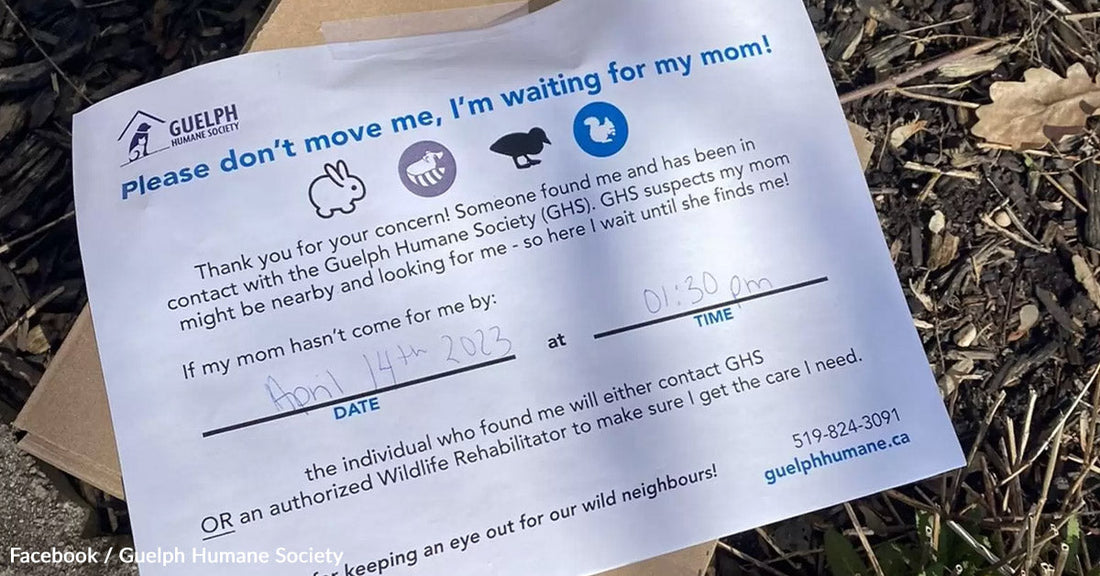
In a quiet corner of Ontario, Canada, a cardboard box with a handwritten note recently caught the attention of passersby. The message read simply, “Please don’t move me. I’m waiting for my mom!” At first glance, it might have seemed like a case of animal abandonment, but the truth behind the box was far more heartening. This story, centered around a group of baby red squirrels and the efforts to reunite them with their mother, offers a touching example of compassion and persistence in urban wildlife care.

The tale began when a local car mechanic discovered a squirrel’s nest tucked inside the engine compartment of a vehicle brought in for repairs. The nest belonged to a red squirrel who had recently given birth to seven babies. Unfortunately, when the car was moved, the mother was frightened away, leaving her newborns behind in a vulnerable and dangerous location.
Recognizing the urgency of the situation, the mechanic contacted the Guelph Humane Society for assistance. Animal Services Officer Brooke responded to the call. Rather than transferring the young squirrels to a wildlife rehabilitator, Brooke made a different choice—one focused on giving the mother squirrel a chance to retrieve her babies herself. According to the Guelph Humane Society, Brooke first ensured the babies were healthy and safe. She then placed them inside a cardboard box with a small door flap cut into the side, allowing their mother to access them easily.
The box was returned to the original property where the car had been parked, in hopes that the mother squirrel was still nearby. To prevent well-meaning individuals from disturbing the scene, Brooke taped a note to the box explaining the situation. It read, “Please don’t move me. I’m waiting for my mom!”—a simple yet powerful appeal to human empathy.
Despite the careful preparations, the reunion did not happen immediately. That evening, the mother squirrel did not return. Determined not to give up, Brooke took the baby squirrels home for the night to feed and care for them. Her commitment to their well-being was unwavering. The next morning, she brought them back to the same location for a second attempt at reunification.
This time, nature took its course. The mother squirrel returned, recognized her babies, and began the process of relocating them to a new, safer nest. According to the Guelph Humane Society, she successfully moved all seven of her young, one by one. The reunion was complete.
For Brooke, moments like these are deeply fulfilling. In a statement shared with The Dodo, she reflected on the experience: “It is an indescribable feeling, honestly, knowing that we reunited a family that is now going to thrive together. It is a main reason I chose this career. Nothing is better than when a mom recognizes her young and takes full control. Nature is so beautiful—I am so lucky to be witness.”
I found this detail striking: the deliberate choice not to intervene more than necessary. It highlights a growing awareness in wildlife care that, when possible, the best outcome is one that allows animals to remain in their natural environment with their families. The success of this approach depends on patience, careful planning, and a deep understanding of animal behavior.
Stories like this one also serve as gentle reminders of the unexpected ways wildlife intersects with our daily lives. A routine car repair turned into a rescue mission, thanks to the attentiveness of a mechanic and the expertise of a humane society officer. It’s a testament to the importance of community involvement in animal welfare, and to the quiet heroism of those who work behind the scenes to protect vulnerable creatures.
For those interested in supporting such efforts, the Guelph Humane Society continues to provide care and advocacy for animals in need. Donations help fund their ongoing work, including wildlife rescues, pet adoptions, and humane education programs.
As urban areas expand and human activity increasingly overlaps with wildlife habitats, these kinds of compassionate responses become even more vital. The successful reunion of a red squirrel mother and her babies may seem like a small event, but it reflects a larger commitment to coexistence and care. And sometimes, all it takes is a cardboard box, a handwritten note, and someone willing to wait just a little longer for nature to find its way.