
Children Tried to Protect Five Kittens Before Someone Allegedly Buried Them Alive
Guest Contributor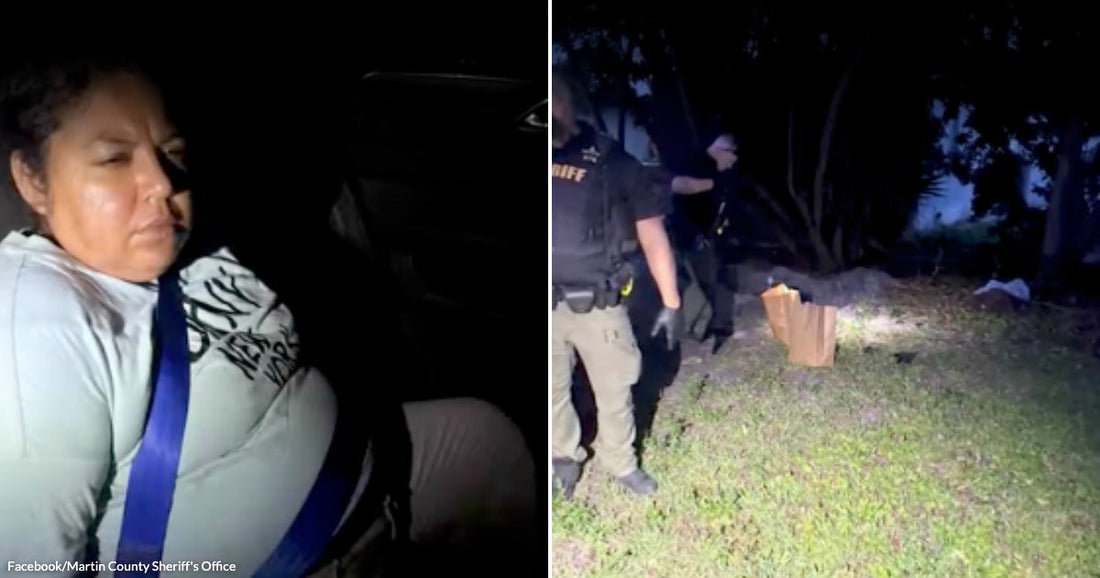
A deeply troubling case out of Hobe Sound, Florida, has drawn attention to the realities of animal cruelty and the systems that respond when pets are in danger. According to information released by the Martin County Sheriff’s Office, a woman was arrested after several cats were found buried alive in her yard in a local mobile home park. For anyone who cares about animals, the phrase “cats buried alive” is difficult to hear, and it underscores why animal cruelty laws and enforcement exist in the first place.
Investigators say the woman, identified as 37-year-old Alba Chavez, believed the cats were demons. Authorities described the situation as a “disturbing animal cruelty case,” a characterization that reflects both the physical suffering of the animals and the unsettling details surrounding what was discovered at the property. The incident took place at a residence in the 11,000 block of Southeast Federal Highway in Hobe Sound, a coastal community in Martin County.

According to the sheriff’s office, patrol deputies and investigators with MCSO Animal Services responded to the home after learning about possible animal abuse. Once there, they began searching the yard based on information Chavez had provided. She reportedly told investigators she had buried several of her cats alive. As deputies and animal services personnel dug up sections of the yard, they found at least four cats that had been buried.
Reports indicate that law enforcement and animal services workers tried to rescue the animals as quickly as possible. They were able to save two cats, bringing a measure of relief in a case that otherwise reads as deeply distressing. Tragically, two other cats were found deceased. The survival of the two rescued animals highlights how fast response and coordinated efforts can sometimes make a life-or-death difference in cruelty situations, even when conditions are dire.

Inside the home, the investigation continued. Authorities stated that at least eight additional cats were found alive in the residence. The discovery of so many animals, both in the yard and indoors, created a complex scene that required both investigative work and immediate animal care. While the public details so far focus on the cats that were buried and those still alive, it is clear that officials are treating the entire property as a site of active investigation.
The Martin County Sheriff’s Office has said Chavez is in custody and will face multiple counts of aggravated animal cruelty. Aggravated animal cruelty charges typically reflect the seriousness of allegations that animals were intentionally harmed or subjected to severe neglect. In this case, the specific claim that cats were buried alive, coupled with the belief that they were “demons,” adds an unsettling dimension that raises questions about intent, mental state, and risk to animals in similar circumstances.

It is striking that investigators are continuing to search the property even after multiple cats have already been recovered. The sheriff’s office has described the investigation as active, a reminder that early reports may represent only part of what authorities ultimately uncover. As they dig and examine the premises, they are not only looking for additional animals but also gathering evidence that could be vital in court proceedings and in understanding exactly what occurred over time at the home.
Stories like this often resonate widely because many people view cats and other pets as family members rather than simply animals kept in the home. When cases of animal cruelty surface, they tend to stir strong emotions, from sadness to anger and a desire for justice. At the same time, coverage of such cases can help the public understand that there are structured legal responses intended to protect animals, including specialized animal services units that work alongside patrol deputies.
This particular Hobe Sound animal cruelty case also illustrates how law enforcement and animal welfare teams rely on one another in critical situations. Deputies must balance the urgent need to save animals with the requirements of documenting a potential crime scene. Animal services personnel bring expertise in safely handling, stabilizing, and caring for distressed animals while also supporting investigators who need to establish a clear record of what was found and where.
When authorities state that a suspect believed her cats were demons, it is hard not to think about the broader challenges around mental health, perception, and risk. While public information in this case is limited to what the sheriff’s office has shared, that single detail suggests that investigators may need to consider not only the acts themselves but the beliefs and state of mind that may have influenced them. In many cruelty cases, courts and support systems weigh both accountability and any underlying issues that may need attention to prevent future harm.
Although this situation is specific to Hobe Sound, animal cruelty investigations like this one have implications for communities everywhere. They remind neighbors to pay attention when something seems wrong, whether that is hearing animals in distress or noticing unusual behavior that could put pets at risk. Reporting concerns to local authorities can sometimes lead to interventions that rescue animals before a situation escalates further, or at least bring trained eyes to evaluate what is happening.
At the same time, the survival of the two cats pulled from the ground offers a small point of hope in an otherwise painful narrative. Their rescue underscores why timely law enforcement response matters and why agencies invest in animal services units capable of handling complex, emotionally charged scenes. The other cats that were found alive inside the home will also benefit from the involvement of professionals who can assess their health and determine what should happen next to ensure their safety.
As the Martin County Sheriff’s Office continues to process the scene and gather evidence, more information may emerge about how many animals were affected and what will happen next in court. For now, what is clear is that the case has brought to light a severe instance of alleged cruelty and has prompted a vigorous response from both deputies and animal services in Hobe Sound. Anyone who follows local news, cares about animal welfare, or wants to understand how communities respond when pets are mistreated may find this case a sobering example of why vigilance and strong enforcement of animal cruelty laws remain important.