
Honoring Women in the Military with Coffey Anderson’s Hero Tribute Song
Guest Contributor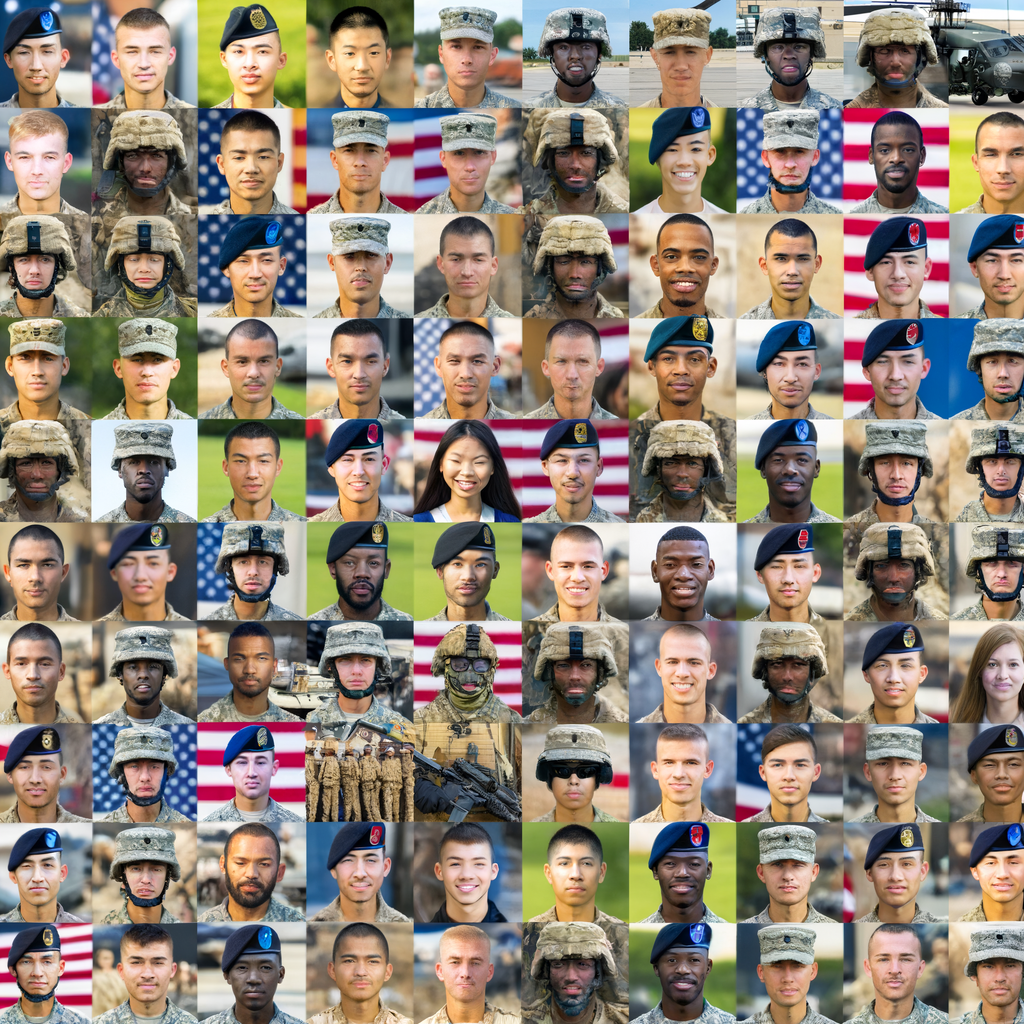
Country music has long served as a powerful storytelling medium, often honoring the lives and sacrifices of military service members. In a recent and heartfelt tribute, country singer Coffey Anderson has turned his attention to a group often underrepresented in these narratives—women in the military. His newly released song, “You Can’t Spell Hero Without Her,” was born from a poignant conversation with Army veteran Belle Crause and aims to shine a long-overdue spotlight on female service members. The song is now available on all major streaming platforms and has already begun to resonate deeply with listeners across the country.
Anderson, known for his patriotic anthem “Mr. Red, White and Blue,” felt a compelling need to create a companion piece that honors the unique contributions and sacrifices of women in uniform. The inspiration came after a moving exchange with Crause, who served eight years in the Army as an explosive ordnance disposal technician. Their conversation took place after Anderson’s live performance at the National Agents Alliance event in Burlington, North Carolina, in August 2024. Crause, among more than ten veterans and active-duty members who met with the singer, shared a heartfelt observation: while many songs celebrate male heroes, few—if any—acknowledge the sacrifices of women in service.

“I took a moment to say that it’s interesting there’s never been a Mrs. Red, White and Blue,” Crause said. “We’ve lost a lot of great women over the many years, and it is a unique sacrifice. It was a comment from the heart.”
Anderson was deeply moved by her words. The following day, he went live on social media, inviting fans and followers to help craft a song that would honor women in the military. Drawing from real-life stories, comments, and messages, he began shaping the lyrics and title of what would become “You Can’t Spell Hero Without Her.” The result is a song rooted in authenticity and collective experience, designed to give voice to a group that often feels unseen and underappreciated.
“Hopefully when our women [in service] hear this song, they know that something’s bigger than them, and they’re a part of it,” Anderson told Stars and Stripes. “They’re recognized, loved, prayed for and thought of.”
The emotional core of the song resonates strongly with Crause, who was injured during the 1996 Khobar Towers terrorist bombing in Saudi Arabia. The attack claimed the lives of 19 airmen and left over 400 military and civilian personnel wounded. For Crause, hearing the song for the first time was a humbling experience that brought her back to her own time in uniform. “The ripple effect of this song is going to impact people we’ll never meet,” she said. “To be the catalyst for this is very humbling. ... I hope that this touches a lot of hearts.”
Anderson’s music video for the song further amplifies its message. Featuring over 20,000 photos submitted by people across the country, the video showcases women who have served or are currently serving in the military. It’s a visual testament to the song’s central theme: that heroism knows no gender.
“This is specific to our women in service ... to give them honor, to give them recognition so they can be seen and so they can be recognized,” Anderson explained. “I think it’s way more intentional than my other songs.”
One of the most striking aspects of this story is how it illustrates the power of a single conversation to inspire meaningful change. Crause’s candid observation sparked a creative process that not only led to the production of a song but also initiated a broader dialogue about gender and recognition in the armed forces. I found this detail striking: that such a significant cultural contribution began with a simple, heartfelt comment about the absence of a female equivalent to “Mr. Red, White and Blue.”
Anderson emphasizes that every line of the song was written with purpose and belief. “I write my songs from meeting people. It comes from experiences, fans and friends,” he said. “You can’t miss these lyrics, you can’t miss the heart behind this. I did not write a line that I didn’t believe in.”
The song’s release has already sparked widespread appreciation and engagement. For many listeners, especially women who have served or are currently serving, it offers long-awaited recognition. For others, it serves as a reminder of the diverse faces of military heroism. Keywords like “women in the military,” “military tribute song,” and “Coffey Anderson hero song” have naturally emerged as touchpoints for those sharing and discussing the music online.
As the song continues to gain traction, its impact is likely to extend far beyond streaming charts. It opens a space for acknowledging the complex experiences of female service members—experiences that often differ from their male counterparts in ways that are deeply personal and sometimes difficult to articulate. As Crause noted, “Combat and things of that nature affects everybody differently. There’s certain things that men struggle with more, and certain things that women struggle with more just because the way we’re designed, the way we’re made. There is a lot of unseen there.”
In honoring these unseen sacrifices, “You Can’t Spell Hero Without Her” does more than fill a gap in the musical landscape. It invites listeners to reflect on the full spectrum of service and to recognize that heroism wears many faces. For those who have long waited to hear their stories told in song, Anderson’s tribute offers both recognition and respect.