
Vets Spot An Injured Kitten On A Dark Road And Turn A Night Of Horror Into A New Life
Guest Contributor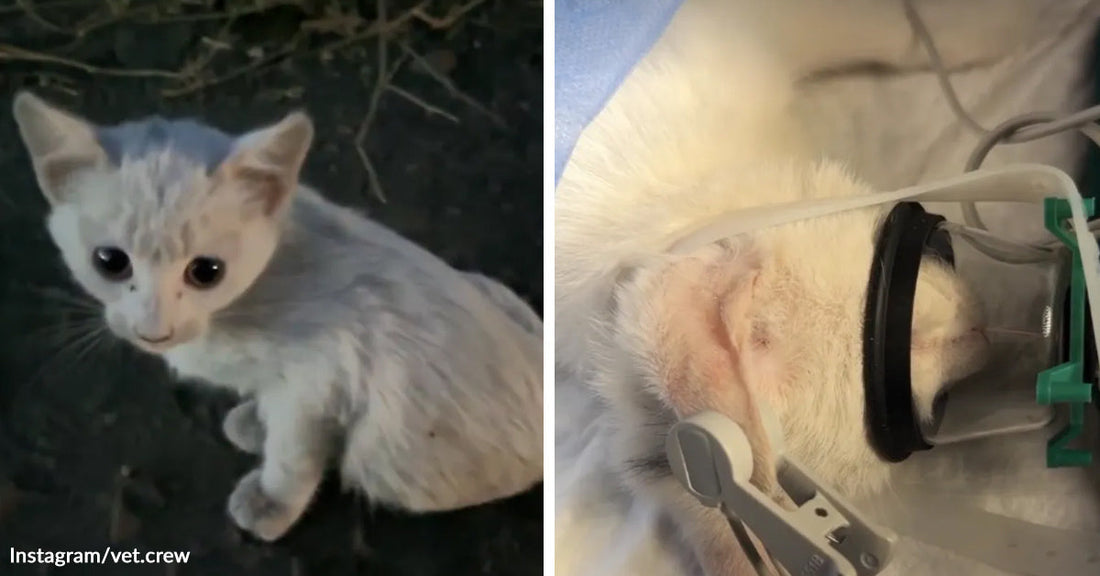
On a late night in Odessa, Ukraine, two veterinarians spotted a tiny injured kitten on the side of a busy road. What could have been a brief moment of heartbreak turned into a powerful story of compassion and resilience. Their quick choice to stop and help this abandoned kitten, now named Jelly, has captivated millions of people online and highlighted both the risks of outdoor life for cats and the extraordinary difference a single act of care can make.
The veterinarians, Leonid and Valentina Stoyanov, shared Jelly’s journey in a viral Instagram video through their account @vet.crew. As they explained in their caption, the moment they saw the kitten struggling to survive, they knew they had to intervene. “Saving one animal will not change the world but it will change the world for that one animal,” their message reads, introducing Jelly as their newest family member and describing how they found her on the road and immediately decided to help.

At their veterinary hospital, a full examination revealed just how severe Jelly’s injuries were. She had a broken femur, serious trauma to her spine, and a severe head injury that left her completely deaf. For many animals, injuries of this scale would be overwhelming. Yet under medical care and with dedicated attention, Jelly began her long road to recovery.
The veterinarians described how, over the course of this extended treatment, they “fell completely in love with her” and ultimately decided that their already large animal family had room for “another nose.” They also acknowledged that Jelly would never be quite like other cats. Her injuries have lasting effects, and the team expects she will always live with certain limitations. Still, they have vowed to do everything in their power to ensure she enjoys a full and happy life, surrounded by them and their other pets.
In comments to Newsweek, Leonid Stoyanov explained that despite the severity of her condition when she was found, Jelly is a fighter and is doing well under their care. For a kitten who might otherwise have faced the dangers of the street alone, this intervention was truly life changing. Jelly’s story is a reminder of how vulnerable abandoned kittens are when left to fend for themselves along roads and in other hazardous environments.
Many people love the idea of giving their cats some outdoor time. Fresh air, new smells, and the chance to explore can offer valuable enrichment. Yet as this story illustrates, unsupervised roaming can dramatically shorten a cat’s life expectancy compared with living safely indoors. Veterinarians and pet health experts routinely emphasize the significant gap in safety between indoor cats and those allowed to wander freely.
Resources such as Pet MD outline the many threats that outdoor cats face. Extreme heat in summer and bitter cold in winter can quickly become life threatening, leading to heatstroke or hypothermia. Encounters with wildlife and other roaming cats may result in fights, injuries, or exposure to infections that are difficult and costly to treat. Even in apparently quiet areas, hidden risks can pile up.
There are also parasitic dangers that lurk wherever animals roam. Fleas, ticks, and other parasites are only part of the picture. Viruses, bacteria, and fungi picked up from wild animals or feral cats can compromise a pet’s health in ways that are not immediately visible. In some cases, owners may only notice subtle changes until the illness has already progressed, making early prevention and reduced exposure especially important.
Traffic accidents are one of the starkest hazards. Streets and highways can be deadly for animals that do not understand vehicles or are disoriented by noise and lights. For many cats struck by cars, injuries are either fatal or extremely severe, involving fractures, head trauma, or internal damage. Jelly’s case shows how devastating this type of trauma can be, and how much medical intervention is required when a cat survives such an event.
Beyond vehicles and wildlife, cats roaming outdoors may encounter environmental toxins. Common substances like fertilizers, rodent poisons, and other chemical treatments used around homes and gardens can be extremely harmful if ingested or absorbed. Even seemingly harmless spots, such as garages, sheds, and yards, can conceal toxic risks that a curious cat might not avoid.
Weather also plays a role. Severe storms, heavy rain, snow, and natural disasters create dangerous conditions, especially for animals that lack shelter or a safe place to retreat. In stressful situations, cats may panic and run farther from home than usual, increasing the likelihood that they become lost. Without identifying tags or microchips, many of these animals never make it back to their families.
At the same time, many caregivers want to offer their cats a taste of the outdoors while still keeping them safe. Experts often recommend supervised outdoor time as a compromise. Taking a cat outside on a properly fitted harness and leash, or providing a secure outdoor enclosure, can give them room to explore while minimizing many of the risks that accompany unsupervised roaming. Guidance on how to choose the best leash for a cat can help owners introduce this type of controlled outdoor time in a way that is comfortable and secure.
I found it striking how Jelly’s story combines two themes that resonate with so many animal lovers: the harsh realities faced by abandoned animals and the profound impact of individual kindness. The veterinarians did not know whether Jelly would survive, yet they proceeded with treatment and ultimately made her part of their home. Their actions underline how a single decision at the side of a road can mean the difference between tragedy and a new beginning.
Millions of viewers have connected with this message. The video of Jelly’s rescue and recovery has received over 16.7 million views and 2.6 million likes, and the comments reflect a deep emotional response. One user wondered how many painful and lonely nights Jelly must have endured before help arrived. Another simply said they were crying. Others shared that seeing this transformation made them want to go out, find lost or injured cats, and give them a better life.
Stories like Jelly’s travel widely because they tap into a shared hope that vulnerability can be met with care. They encourage viewers to be more attentive when they see animals in distress and to consider safe, responsible ways to enjoy life with their pets. Whether through adopting a rescued animal, supporting local veterinary teams, or choosing safer options for outdoor exploration, people can use these moments as inspiration to improve the lives of animals around them.